
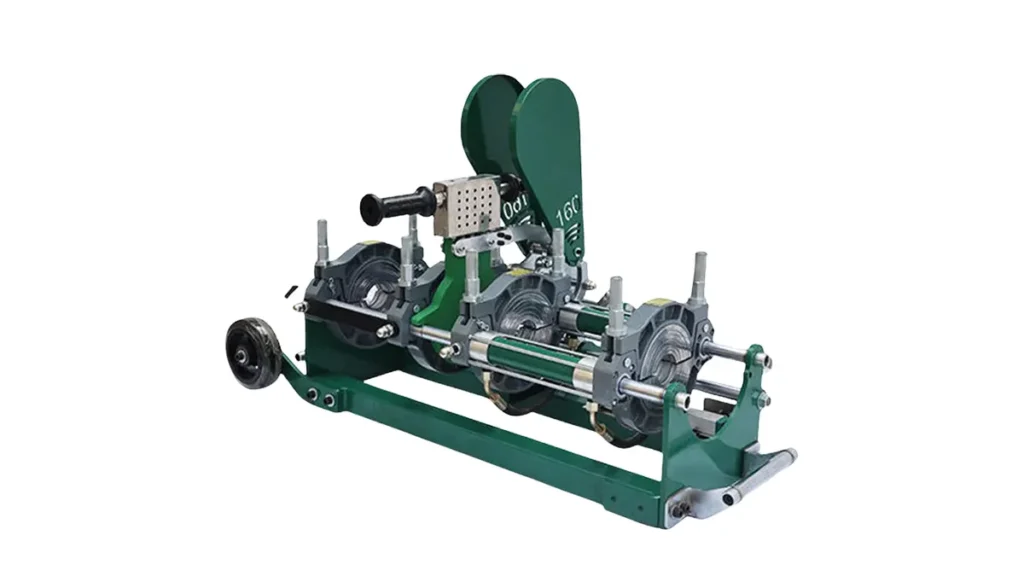
Looking for a reliable butt fusion machine supplier in the Philippines? This guide explains where contractors, municipal engineers, and private developers across the archipelago can find trusted suppliers, what machine types suit local projects, and the key checks to make before purchasing.
Why reliability matters in the Philippines
The Philippines’ tropical climate, scattered islands, and diverse infrastructure projects—from urban water networks in Metro Manila to rural irrigation systems in Mindanao—demand robust equipment and dependable after-sales support. A reliable supplier reduces downtime, ensures correct machine sizing for HDPE pipelines, and helps avoid costly shipping and customs delays.
Local application hotspots
Municipal water works, gas distribution, mining sites, and coastal development projects are common buyers of butt fusion machines in the Philippines. In many remote sites, technicians need fast access to spare parts and technical support for hydraulic or CNC automatic units.
Types of butt fusion machines to consider
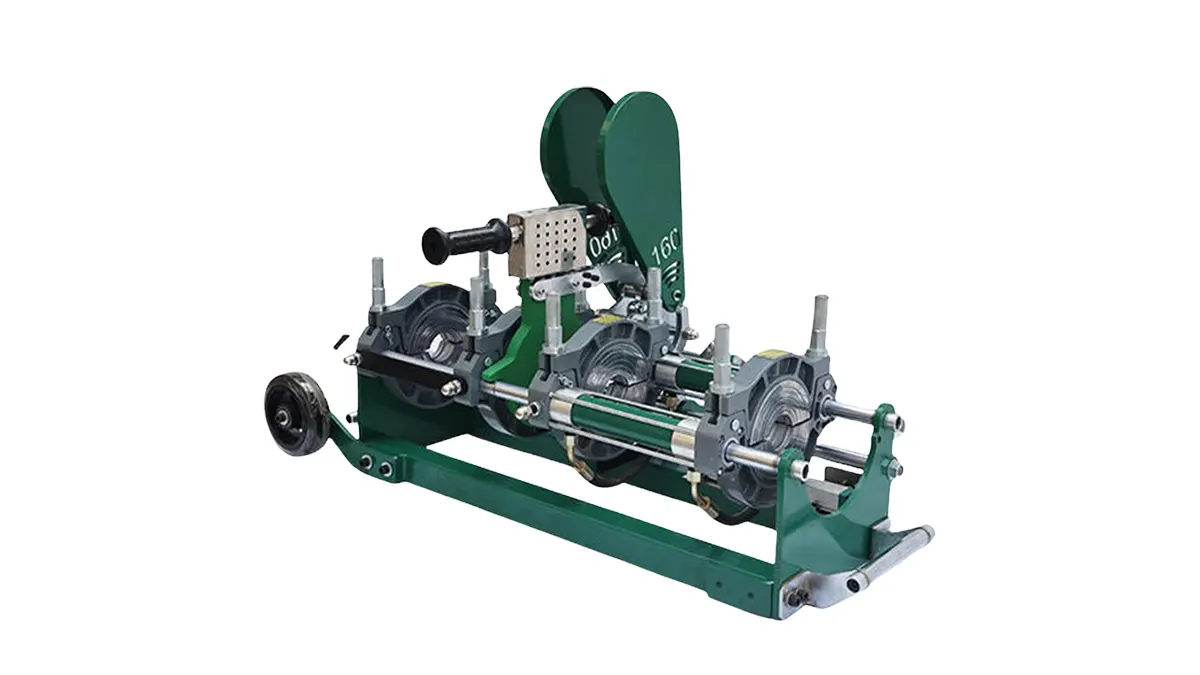
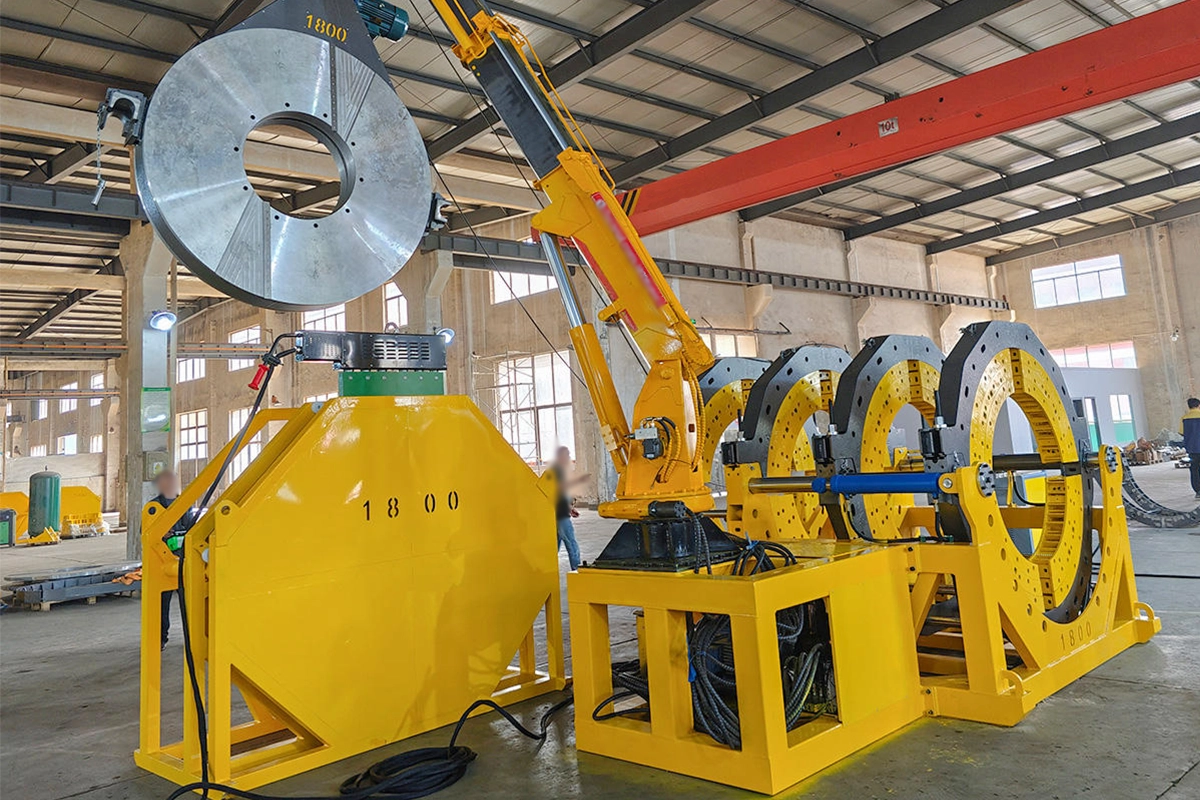
Choose based on project scale and skill level of your crew. Manual units are portable and cost-effective for small jobs; hydraulic machines suit medium-to-large pipelines; CNC automatic systems deliver consistent, documented welds for large infrastructure work.
| Machine Type | Typical Pipe Range | Best For |
|---|---|---|
| Manual Butt Fusion | 20mm–160mm | Small repairs, rural installations |
| Hydraulic Butt Fusion | 160mm–1250mm | Municipal, industrial pipelines |
| Automatic / CNC Systems | 63mm–2000mm+ | Large-diameter, high-precision projects |
Where to find reliable suppliers in the Philippines
Look for authorized distributors and local dealers in major ports (Manila, Cebu, Davao) who can handle import paperwork, customs clearance, and local transport. Equipment traders, specialized pipeline contractors, and rental houses are also practical sources—especially when you need immediate solutions for emergency repairs.
Verify suppliers through customer references, local project photos, and service network details. Request evidence of factory testing, quality certificates (ISO/CE), and availability of spare parts. A supplier that provides training and commissioning support is a major advantage in regions with limited technical resources.
Questions to ask before buying
• What is the lead time and shipping route to the Philippines (port of discharge)?
• Are spare parts stocked locally or shipped from the factory?
• Does the machine include on-site training, calibration certificates, and a clear warranty?
• Can the supplier provide service technicians or partner workshops in major islands?
Cost, logistics and after-sales considerations
Factor in import duties, customs handling, and inland transport between islands. For long-term projects, prioritize suppliers that offer preventive maintenance packages and fast spare part shipping. Renting a machine for pilot phases is common in the Philippines—this helps verify suitability before full purchase.
Quick checklist for choosing a supplier
• Proven local support and documented project references in the Philippines.
• Clear warranty terms, spare parts availability, and training options.
• Machines tested to relevant standards and adaptable to humid, coastal conditions.
• Transparent shipping, customs assistance, and a service network covering major islands.
One reputable manufacturer you can consider for a wide range of HDPE butt fusion solutions is JQ-Fusion, which produces manual, hydraulic, and CNC automatic machines and supports global infrastructure needs.



