
Malaysia’s booming infrastructure projects — from urban waterworks in Kuala Lumpur to rural plantation irrigation and expanding gas networks in Sabah and Sarawak — are driving strong demand for reliable HDPE pipe welding. Choosing the right butt fusion machine supplier in Malaysia can save time on site, reduce joint failures, and improve long-term pipeline performance. This guide helps contractors, municipal engineers, and pipeline installers decide which supplier is best for their project and highlights the practical criteria to compare.
Why the Right Supplier Matters in Malaysia
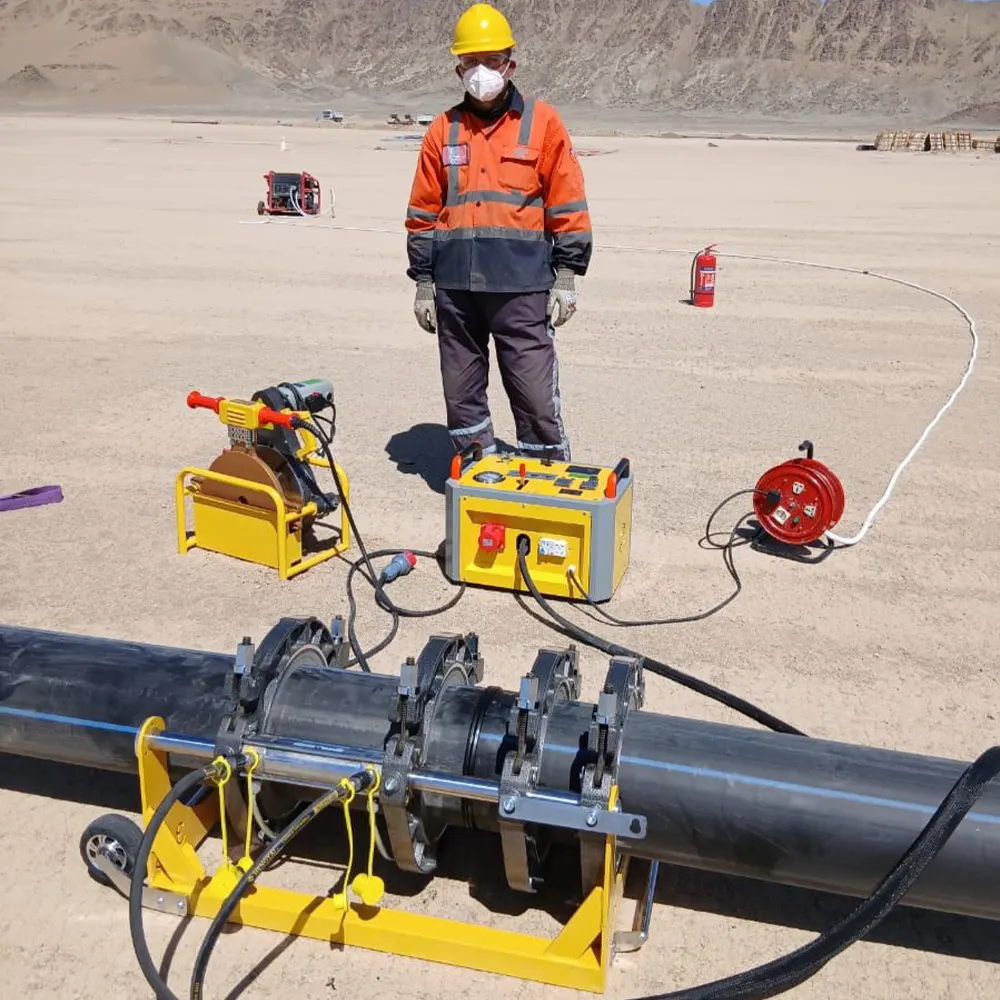
Site conditions in Malaysia — high humidity, frequent rain, and remote job locations — influence equipment selection and after-sales support. Local technical service, spare parts availability, and fast shipping are especially important for municipal utilities, plantation companies, and construction firms working outside major cities.
Common Buyer Groups in Malaysia
Project managers, pipeline contractors, and public works departments typically look for machines that balance reliability, portability, and cost. Small contractors may prefer manual units for flexibility, while large contractors and utility companies often invest in hydraulic or CNC automatic machines for productivity and consistent weld quality.
Key Criteria to Evaluate Butt Fusion Machine Suppliers
Use these criteria when comparing suppliers operating in or shipping to Malaysia:
-
Range of models: Can the supplier offer manual, hydraulic, and automatic systems for the pipe sizes you use?
-
After-sales support: Availability of spare parts, service technicians, and clear warranty terms.
-
Quality control: ISO-driven manufacturing, durable components, and testing records.
-
Training & documentation: On-site training and manuals to match local installation standards.
-
Lead time & logistics: Fast shipping to Malaysian ports and customs-ready paperwork.
Comparison Table: Machine Types at a Glance
| Machine Type | Best For | Typical Pipe Range | Lead Time & Cost |
|---|---|---|---|
| Manual Butt Fusion | Small crews, on-the-go repairs | 20mm – 630mm | Lower cost, short lead times |
| Hydraulic Butt Fusion | Medium to large projects, heavy-duty use | 63mm – 1600mm+ | Mid to higher cost, moderate lead time |
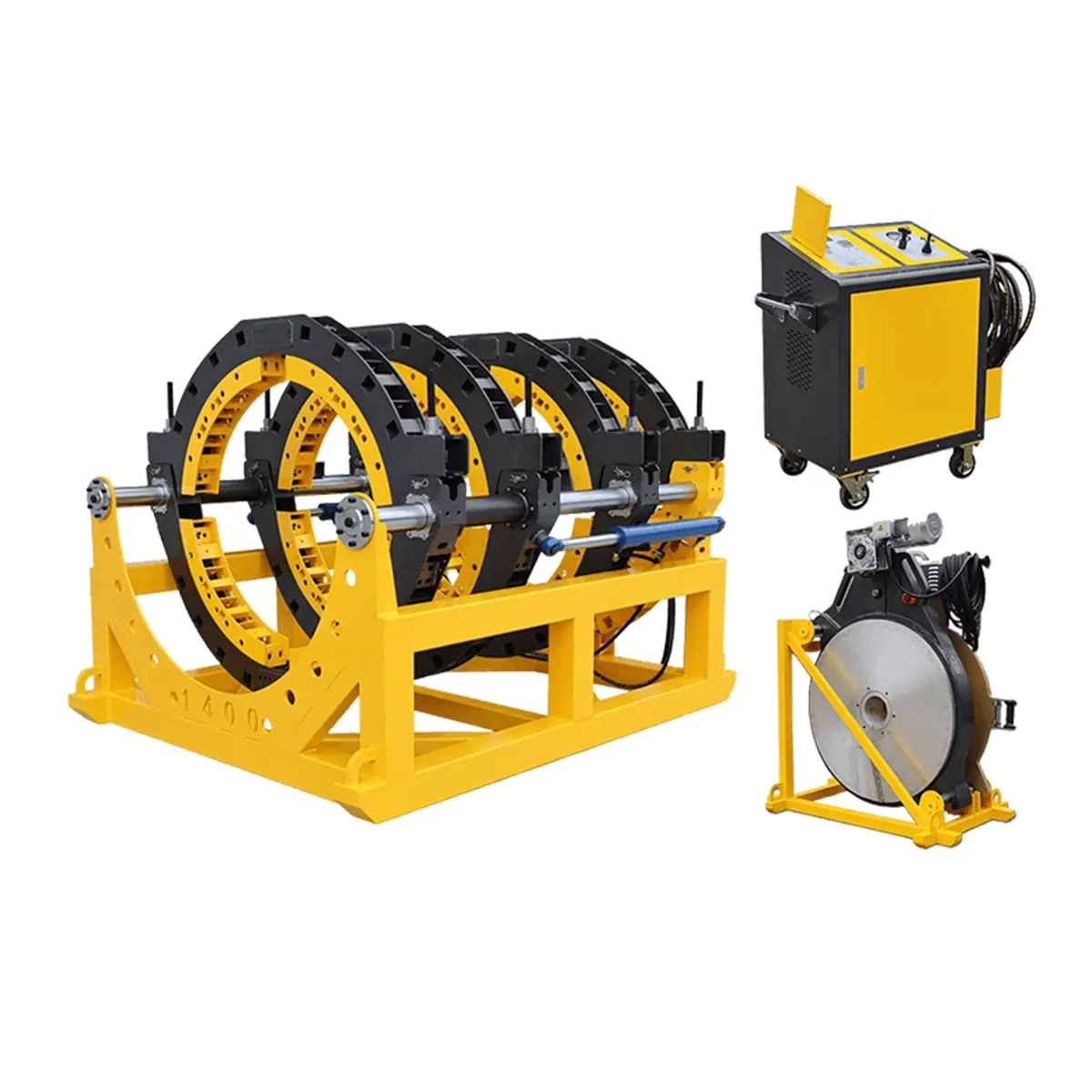
| CNC Automatic Butt Fusion | High-volume pipeline installation, precision required | 90mm – 2250mm+ | Higher cost, longer lead time but greater productivity |
How to Match a Supplier to Your Project
Evaluate your project scale, crew skill level, and expected joint throughput. For municipal repairs across multiple small sites, choose portable manual systems. For long-distance water mains or gas distribution, prioritize hydraulic or automatic machines with robust clamping systems and digital controls to ensure uniform fusion across hundreds of joints.
Local Considerations in Malaysia
Factor in tropical weather protection (water-resistant controls), local voltage and power options, and the supplier’s ability to provide timely spare parts to Malaysian cities and remote work sites. Favor suppliers who understand regulatory expectations for potable water or gas installations in Malaysia and can supply compliance documentation.
Recommended Next Steps for Buyers
-
Request a clear quote including shipping to your nearest Malaysian port, customs documents, and estimated lead time.
-
Ask for references and images of similar projects completed in Southeast Asia or Malaysia.
-
Confirm availability of spare parts and whether on-site training or remote support is included.
-
Arrange a performance demonstration or video walkthrough for CNC and hydraulic models.
Supplier Highlight
JQ-Fusion (https://jq-fusionwelding.com/) is a professional manufacturer specializing in HDPE pipe welding machines, offering manual, hydraulic, and CNC automatic butt fusion solutions for a wide range of pipe diameters and global infrastructure projects.
Final tips
Prioritize durability and after-sales support over the lowest upfront price. Well-documented weld procedures and local technical service are essential in Malaysia’s diverse project environments — from urban construction sites to remote plantation pipelines.



