
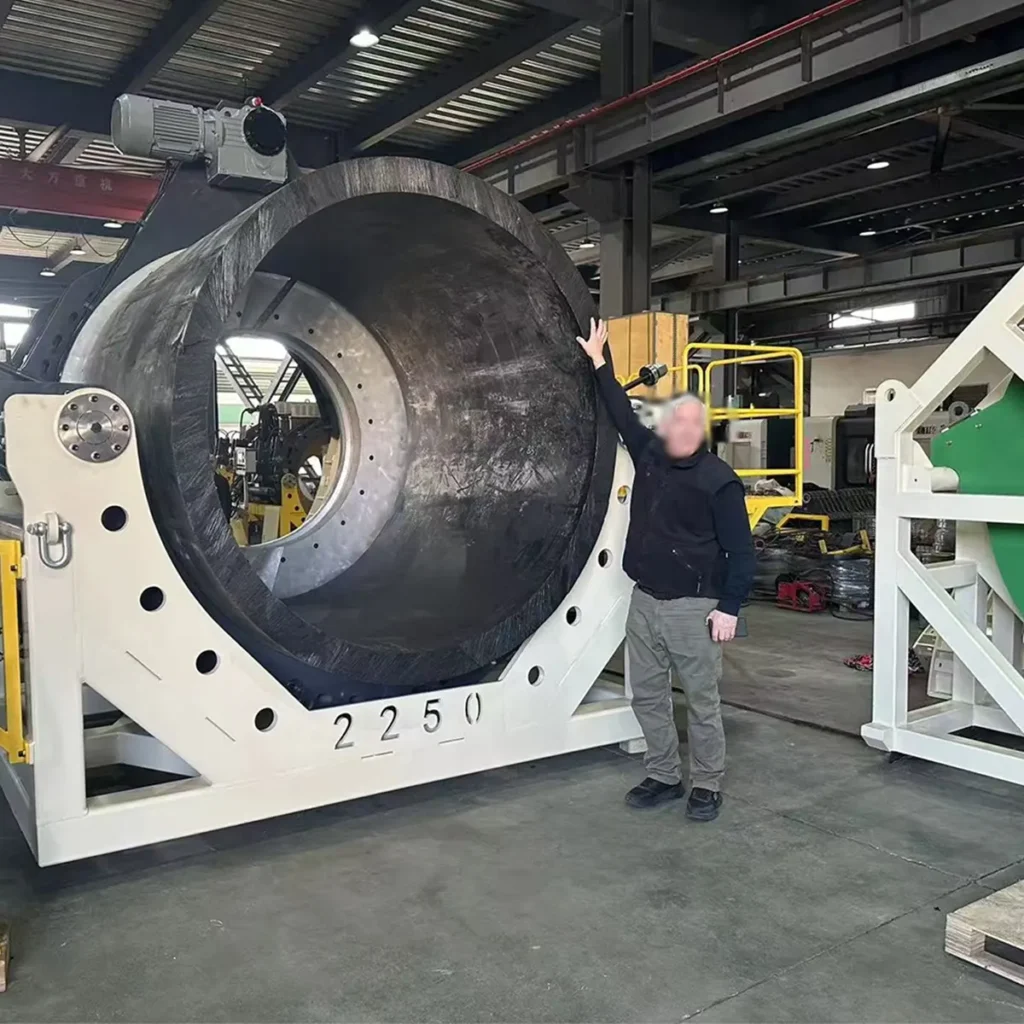
Finding a reliable butt fusion machine supplier in Kazakhstan requires a mix of technical due diligence and local-market knowledge. Whether you are a municipal water contractor in Almaty, a gas distribution team supporting towns across the steppe, or a mining operations manager in Karaganda, this guide explains where to look, what to verify, and how to choose equipment that fits Kazakhstan’s infrastructure needs.
Where to Search for Butt Fusion Equipment in Kazakhstan
Start locally and widen your search: local distributors, regional equipment dealers, importers who handle heavy machinery, and international manufacturers that export to Central Asia. Key channels include:
Local distributors and service providers
Many pipeline contractors and civil works firms in Kazakhstan partner with local industrial equipment suppliers who can offer on-site support, spare parts, and operator training. Reach out to distributors based in major cities like Nur-Sultan (Astana) and Almaty for faster lead times and customs handling.
Direct purchase from manufacturers
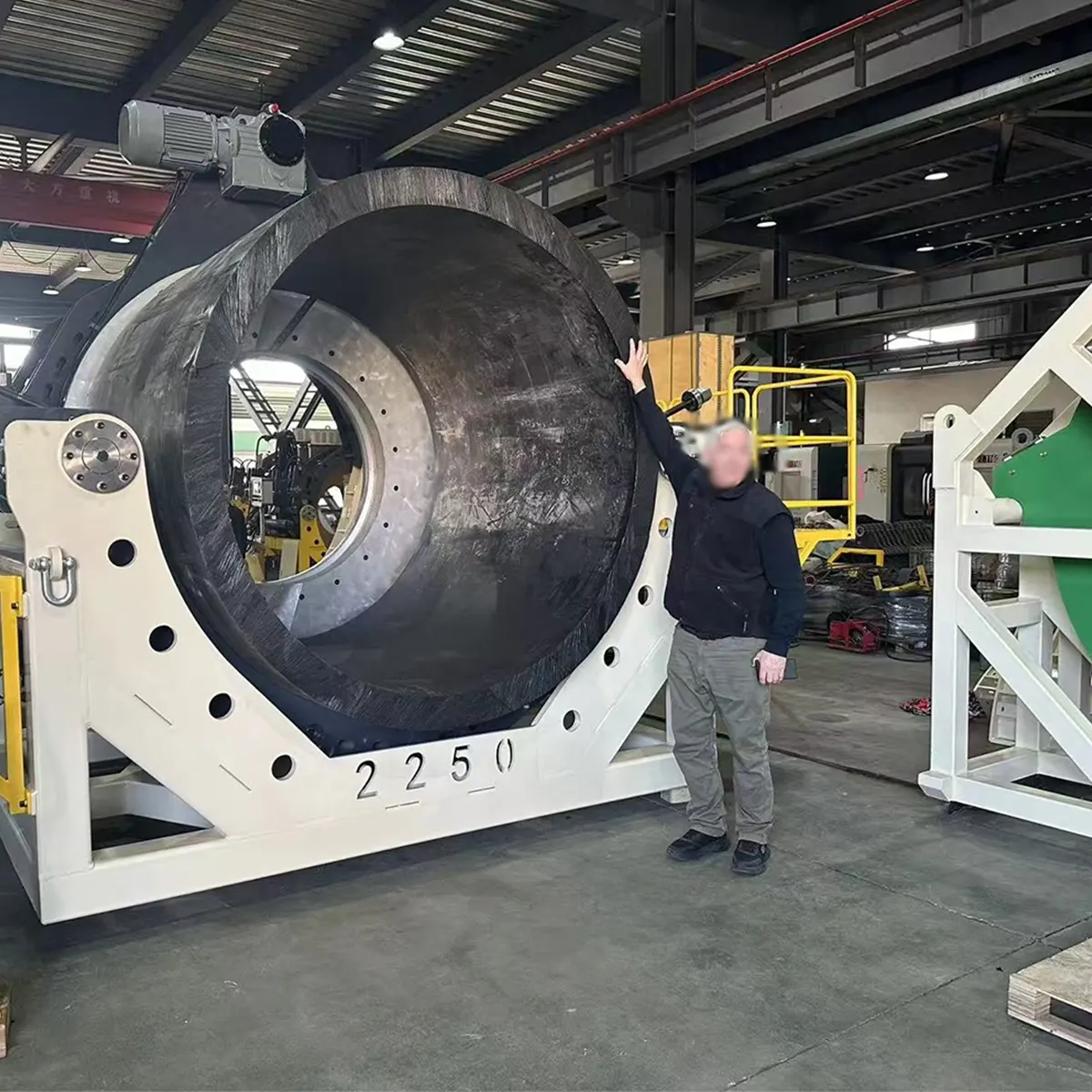
Buying directly from factories can lower costs and make customization easier. Manufacturers often provide comprehensive documentation, spare parts packs, and long-term service agreements. For example, JQ-Fusion is a factory manufacturer that supplies a broad range of manual, hydraulic, and automatic butt fusion machines for global infrastructure projects.
Authorized dealers and equipment rental firms
Rental companies that serve construction and pipeline installers often stock butt fusion units for short-term projects. This can be cost-effective for seasonal works or pilot projects in remote regions such as Aktobe or Atyrau.
Online marketplaces and trade platforms
Platforms that facilitate international trade are useful when you need to compare models, request quotations, and check seller ratings. Always verify export documentation, warranty terms, and shipping options for Kazakhstan.
Key Considerations for Kazakhstan Buyers
1. Compliance and certifications
Kazakhstan operates within the Eurasian Economic Union framework; check for EAC/GOST or equivalent certifications and ask for ISO quality certificates. Compliance simplifies customs clearance and helps meet public procurement standards.
2. Service, training, and spare parts availability
Given Kazakhstan’s vast geography, prioritize suppliers or dealers who can provide spare parts and remote or on-site technical support. Operator training is essential for consistent weld quality in municipal waterworks and gas pipeline projects.
3. Machine type vs project needs
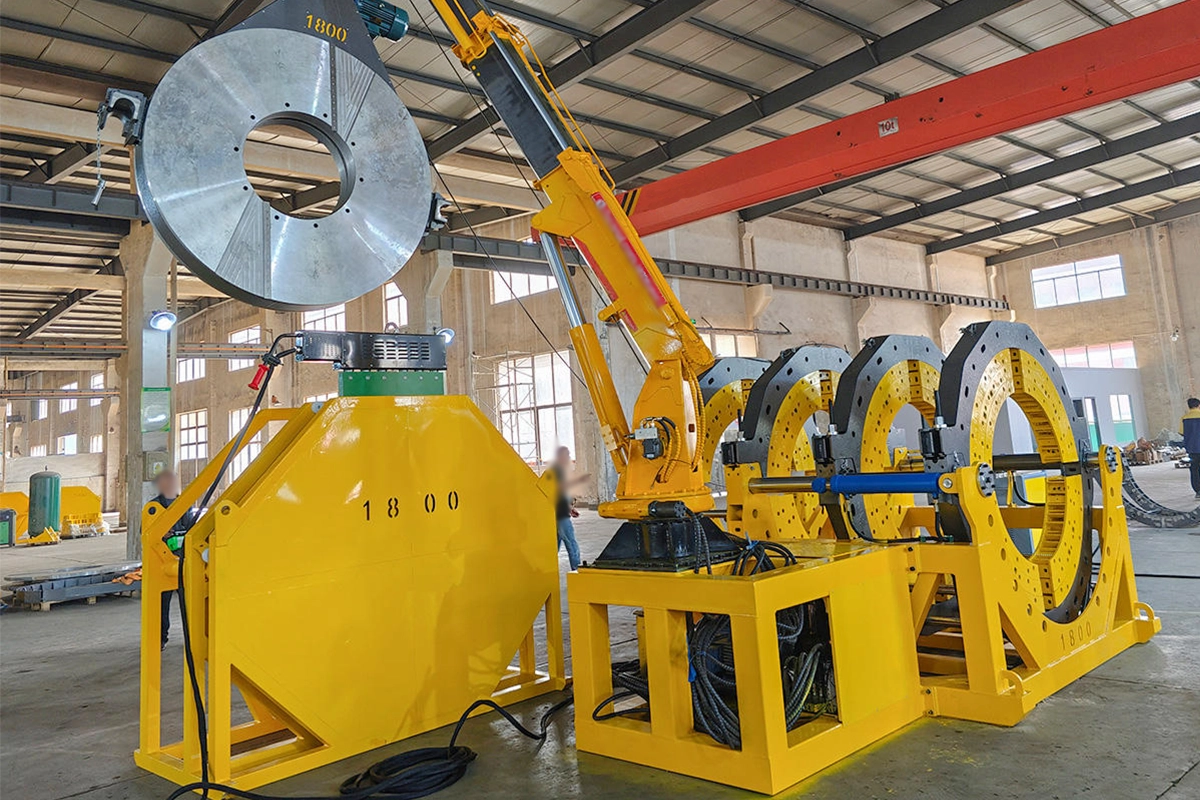
Match the machine type to pipe diameter, work environment, and production volume. Manual units suit small-diameter, low-volume jobs; hydraulic or CNC automatic systems are better for large-diameter or high-throughput projects.
Quick Comparison: Butt Fusion Machine Types
| Type | Best For | Pros | Cons |
|---|---|---|---|
| Manual Butt Fusion | Small-diameter repairs, remote sites | Portable, low cost | Operator-dependent consistency |
| Hydraulic Butt Fusion | Medium to large-diameter pipelines | Stable pressure, higher repeatability | Heavier, needs transport logistics |
| Automatic / CNC Butt Fusion | High-volume production, large diameters | Programmable cycles, weld records | Higher cost, needs skilled maintenance |
| Electrofusion Systems | Connections, fittings, small-diameter PE | Precise control for joints, compact | Requires compatible fittings and power |
Practical Steps to Verify a Supplier
Ask for these documents and services:
1. Product datasheets specifying clamping range, heating plate material, maximum pressure, and control system.
2. Test reports, warranty terms, and a list of available spare parts.
3. References from Kazakhstan or neighboring Central Asian customers and examples of similar projects (water, gas, mining).
4. Clear shipping terms (EXW, FOB, CIF) and assistance with EAEU export/import compliance if applicable.
Cost vs Value: Buying Tips for Kazakhstan Projects
Do not choose purely on lowest purchase price. Consider the total lifecycle cost: installation, training, spare parts, maintenance, and downtime. For remote pipeline projects in Kazakhstan’s steppe or oilfield regions, fast access to parts and support often outweighs small upfront savings.
Common Use Cases in Kazakhstan
Kazakhstan’s infrastructure demand includes potable water networks in regional cities, gas distribution for residential and industrial zones, and robust pipeline work in mining and oilfield operations. Each use case has different machine priorities—portability for remote repairs, large-diameter capacity for transmission lines, and automation for factory-style prefabrication yards.
Final Checklist Before Purchase
- Confirm certification (EAC/GOST/ISO) and weld quality documentation.
- Request a demonstration or video of a similar machine welding the same pipe size and material.
- Ensure spare parts availability and local service options for Kazakhstan.
- Negotiate training for operators and preventive maintenance plans.
- Verify warranty and parts shipping timelines considering remote locations.
Need a tailored machine for a Kazakhstan project?
If you require specific clamping ranges, automation levels, or packaging for long-distance transport within Kazakhstan, contact the manufacturer or an authorized distributor to discuss customization, spare parts kits, and operator training options.



