
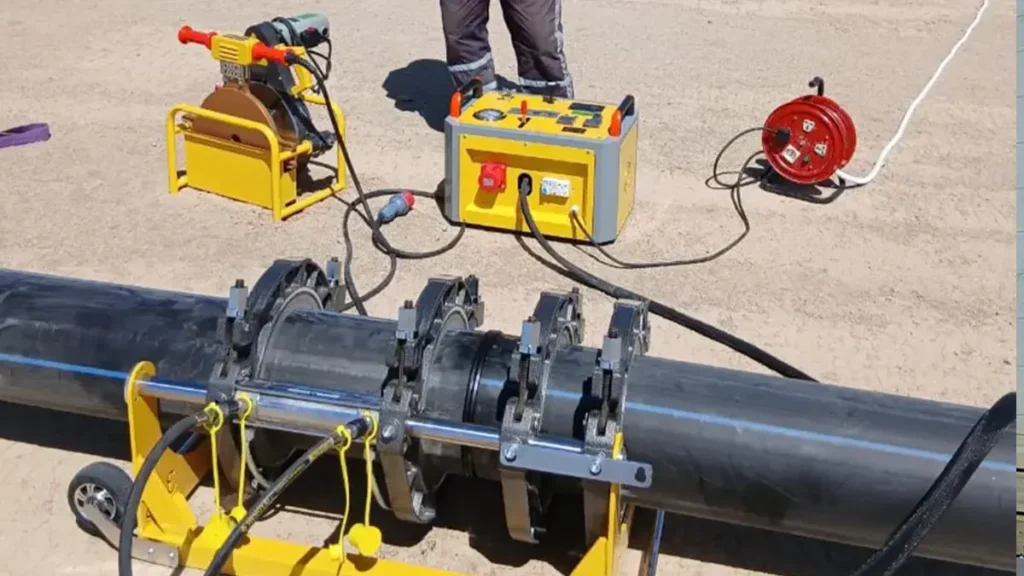
Finding a reliable butt fusion machine supplier in Iraq requires balancing technical needs, budget, and local realities. Whether your project is a municipal water network in Baghdad, an irrigation scheme in Basra, or a gas distribution line near Erbil, selecting the right equipment and partner will determine weld quality, site productivity, and long-term operation costs.
Understand the Types of Butt Fusion Machines
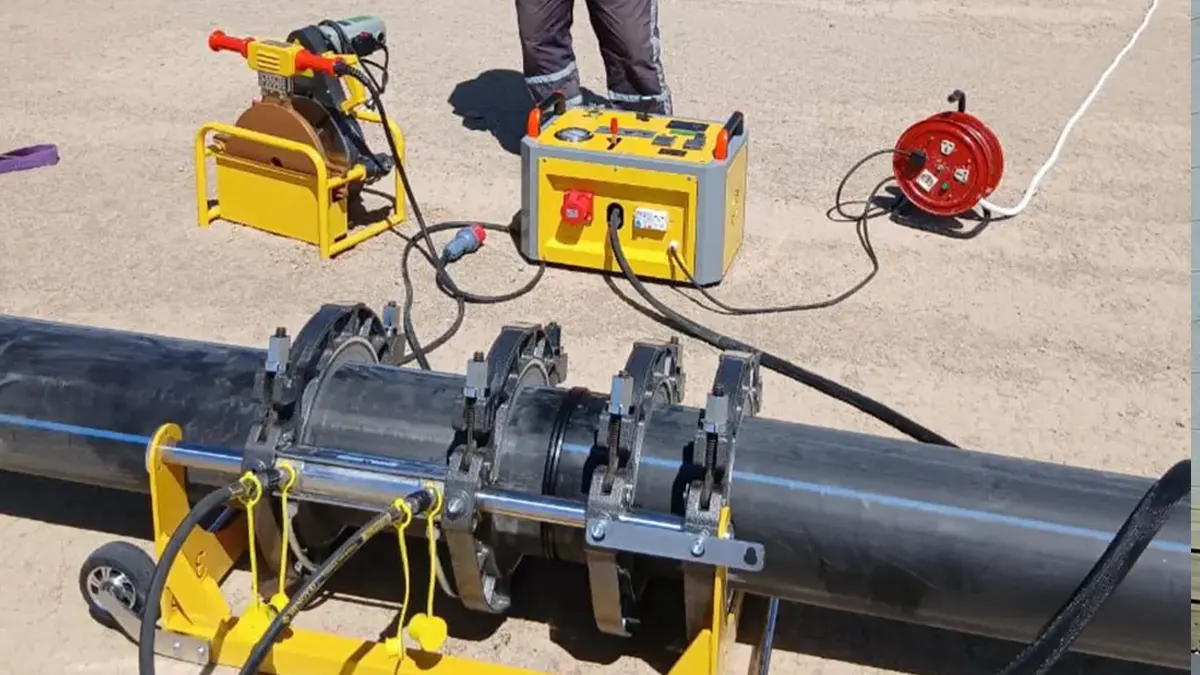
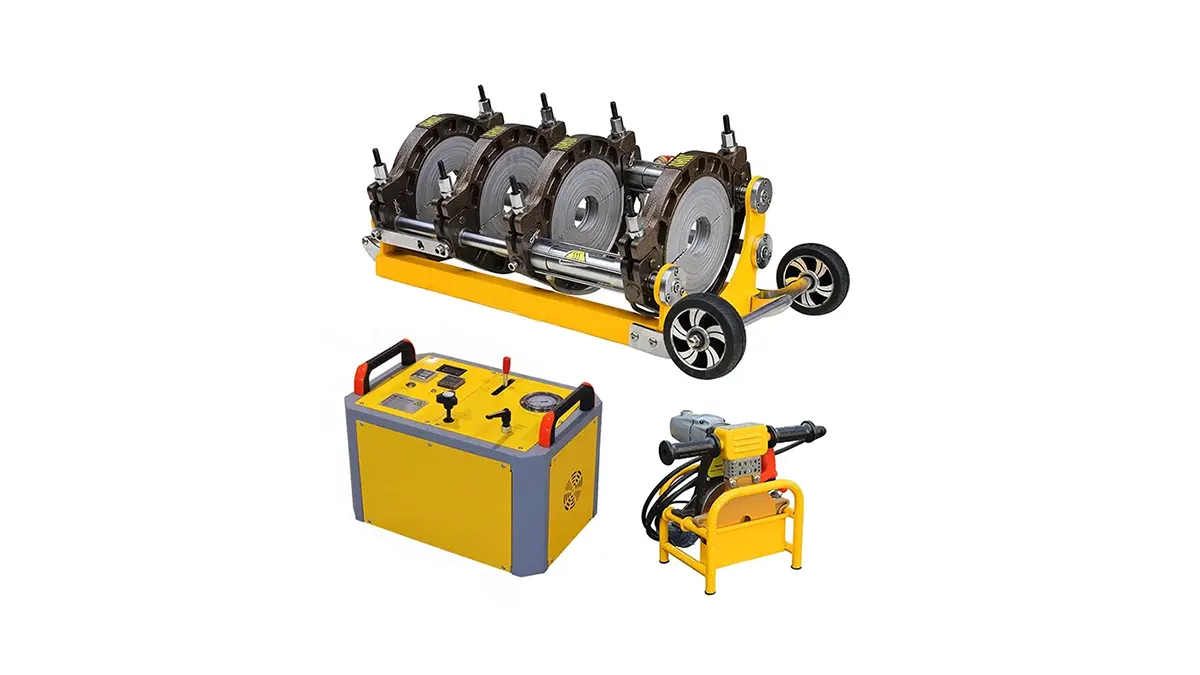
Manual, hydraulic, and CNC/automatic machines each suit different project scales and workforce skill levels. Manual units are compact and cost-effective for small-diameter repairs and rural works. Hydraulic machines offer stronger clamping and are ideal for medium to large pipelines. CNC and automatic systems provide precision, data logging, and faster cycle times for large infrastructure programs and contractors seeking repeatable quality.
Match Machine Capacity with Project Scope
Choose machines with a pipe range that covers your immediate jobs and anticipated future work. In Iraq, common HDPE diameters for water and gas projects range from 20mm up to 630mm or larger for major trunk lines. Investing in a machine that barely meets current needs can mean costly upgrades or rentals later. Consider modular or expandable systems if you expect growth.
Key Technical Criteria at a Glance
| Feature | Why It Matters |
|---|---|
| Pipe Size Range | Ensures compatibility with both current and future projects |
| Clamping & Alignment | Accurate face preparation reduces weld failures |
| Heating Plate Quality | Stable temperature for consistent fusion |
| Automation / Controls | Data logging and repeatability for large contracts |
| Portability & Power Needs | Important for remote Iraqi sites with limited infrastructure |
Local Considerations for Iraq
Projects in Iraq face high ambient temperatures, frequent dust, and sometimes unstable power supplies. Choose machines with robust cooling and dust-resistant components, and confirm the supplier can provide voltage-tolerant controls or generators if needed. Security and transport logistics are also key—confirm safe shipping routes to Iraqi ports (Basra, Umm Qasr) and inland transport options for heavy or large-diameter units.
Standards, Certification & Quality Assurance
Ask about ISO manufacturing certifications, welding procedure validation, and test records. For utility and oil & gas projects in Iraq, traceable quality documentation and weld data logs are often required by contractors and authorities. Machines with digital reporting and traceable weld parameters will help you meet project QA/QC demands.
After-Sales Support, Training & Spare Parts
Reliable local or regional after-sales support reduces downtime. Confirm lead times for spare parts, availability of consumables (heating plates, cutting tools), and whether the supplier offers on-site training in Arabic or English. For many Iraqi contractors, workforce training and documentation in local languages improves safety and weld consistency.
Procurement Checklist Before You Buy
Verify: machine capacity, warranty terms, spare parts list, training options, electrical requirements, and shipping logistics. Check if the supplier provides weld procedure specifications and sample weld test reports. Negotiate clear delivery terms and local customs handling to avoid delays at Iraqi ports.
Budgeting and Total Cost of Ownership
Beyond the purchase price, include installation, training, spare parts inventory, calibration, and potential rental needs during peak phases. Higher initial investment in automation can pay off by increasing daily weld output and reducing rework—important for large-scale water, gas, or industrial pipeline projects common across Iraq.
How to Evaluate Suppliers
Request references on similar projects in the Middle East or Iraq, ask for demo videos or factory inspection opportunities, and compare warranties and service response times. A supplier that offers customizable solutions and responsive technical support will save time and money on complex projects.
Trusted Manufacturer Example
For international projects and global support, consider experienced manufacturers such as JQ-Fusion who specialize in a broad range of manual, hydraulic, and automatic butt fusion solutions and maintain manufacturing and service practices suitable for demanding infrastructure programs.
Final Tip
Balance technical fit, local servicing capability, and documentation needs. The right butt fusion machine supplier in Iraq will not only deliver equipment but also ensure reliable project execution through training, spare parts access, and QA support.



