
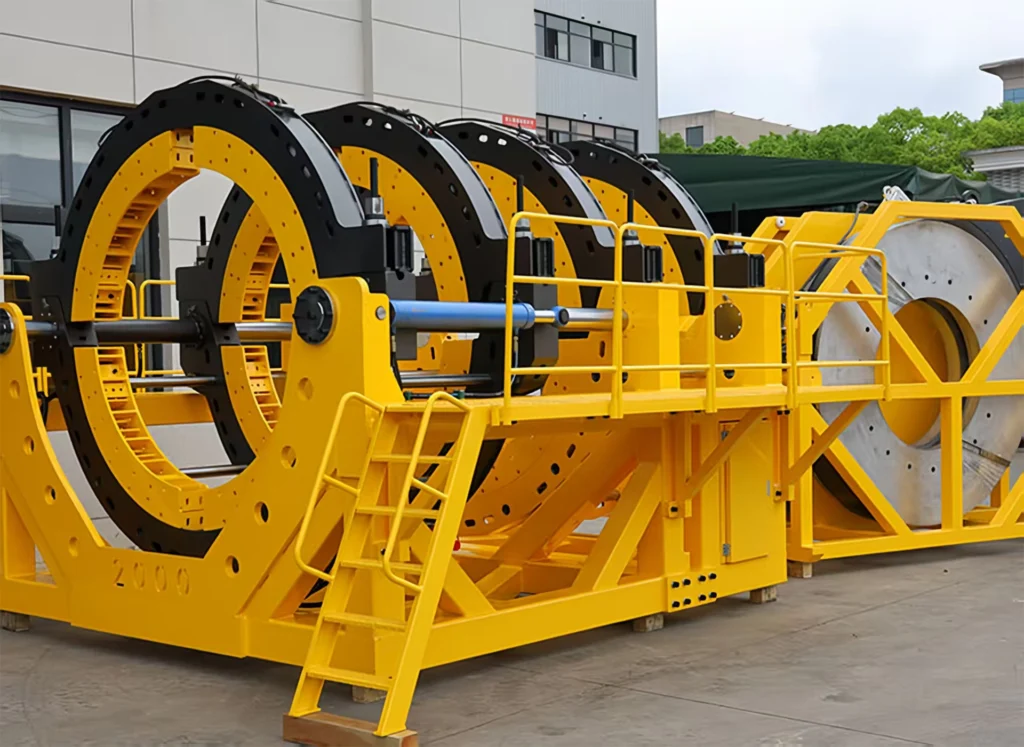
Finding a reliable butt fusion machine supplier in Georgia means balancing quality, local service and the ability to handle projects across urban centers like Tbilisi and remote mountainous regions. Whether you’re a municipal contractor repairing water mains, a gas distributor expanding networks in Kvemo Kartli, or a rural installer working in rugged terrain, this guide helps you locate dependable suppliers and choose the right HDPE butt fusion equipment for Georgian conditions.
Where to look for reputable butt fusion machine suppliers
Local distributors and dealers: Distributors based in Tbilisi and Batumi can provide hands-on support, spare parts and quicker lead times. For urgent site needs in remote regions, local partners often help with logistics and basic training.
Direct factory suppliers: Buying from an established manufacturer offers better customization, direct warranty support and factory-tested machines. Consider manufacturers that offer both portable manual units for fieldwork and heavier hydraulic or CNC machines for workshop fabrication. For specialized custom options and global export capability, contact JQ-Fusion
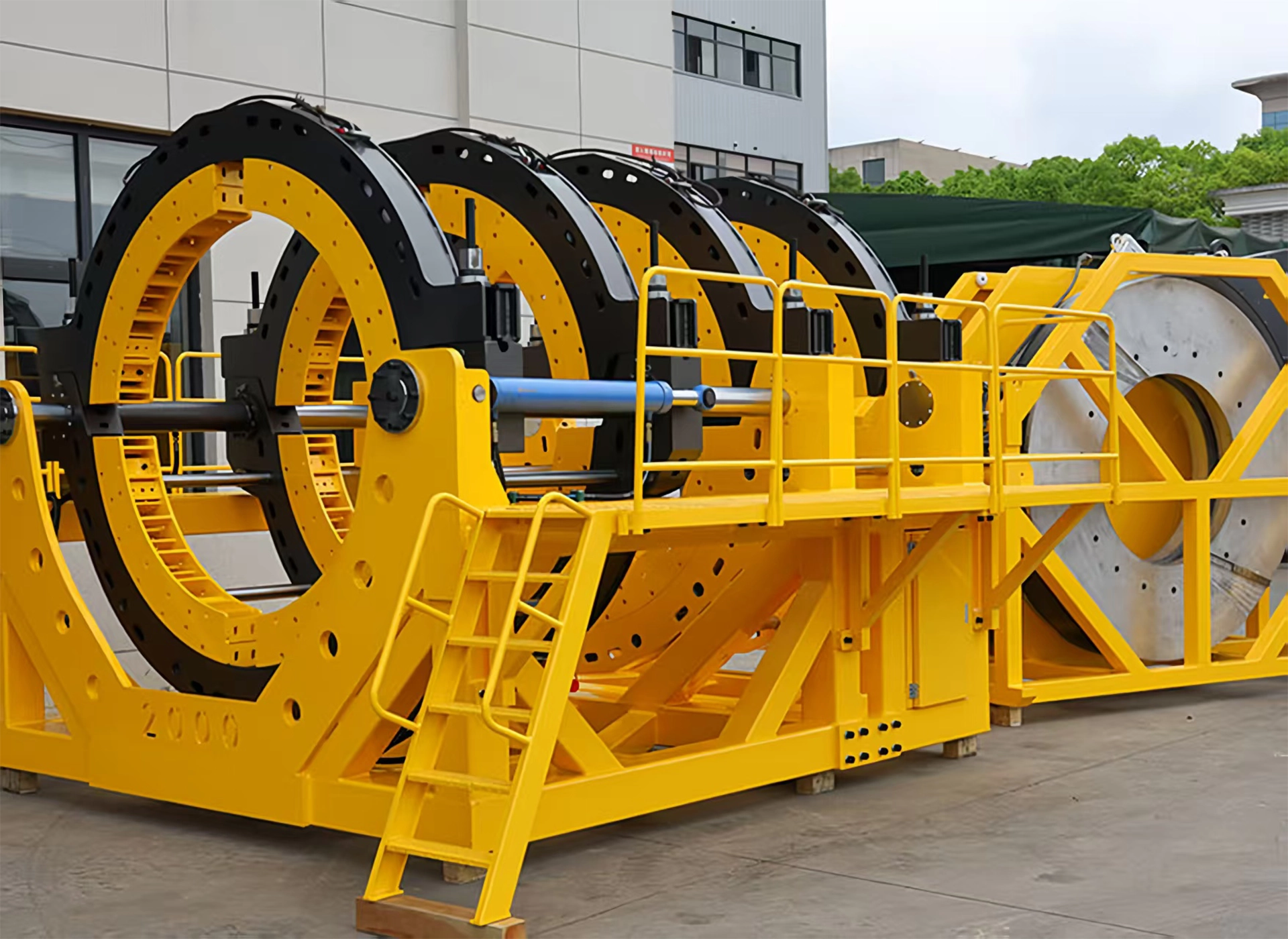
Online marketplaces, industry fairs and regional suppliers
Search specialized construction equipment marketplaces and attend regional trade shows in the Caucasus to compare models and meet technical teams. Online product pages and downloadable datasheets help shortlist machines that meet Georgian pipeline specifications (DIN/ISO and local regulations).
Key supplier qualities to verify
Certifications and standards: CE, ISO and welding procedure qualifications ensure consistent welding quality. Suppliers with documented weld procedures and traceability are preferred for public works.
After-sales support: Verify availability of spare parts, warranty terms, remote troubleshooting and optional on-site training for Georgian crews.
Machine versatility: Reliable suppliers offer manual, hydraulic and automated solutions suitable for both on-site repairs and factory-level prefabrication.
Quick comparison table — choose by project type
| Machine Type | Typical Pipe Range | Best For | Key Benefit |
|---|---|---|---|
| Manual butt fusion | 20–400 mm | Rural repairs, mobile crews | Lightweight, easy to transport |
| Hydraulic butt fusion | 63–1600+ mm | Medium to large pipelines | High pressure control, consistent welds |
| Automatic / CNC | 100–2250 mm | Large prefabrication yards, high-volume works | Precision, data-logging and repeatability |
| Multi-angle / fittings machines | Varies (fittings sizes) | Complex fittings and branch fabrication | Accurate prefabricated fittings, saves field time |
Selection tips for use in Georgian projects
Terrain and access: In mountainous areas and narrow rural roads, portability matters — choose compact manual or modular hydraulic units that can be transported by small trucks.
Power availability: For sites with limited mains power, select machines with efficient hydraulics or portable generators; automatic CNC units are ideal for central workshops where stable power exists.
Climate resilience: Machines and accessories should perform reliably in both hot summers and colder winter months — check seals, hydraulics and heater plate tolerances.
Making the final decision
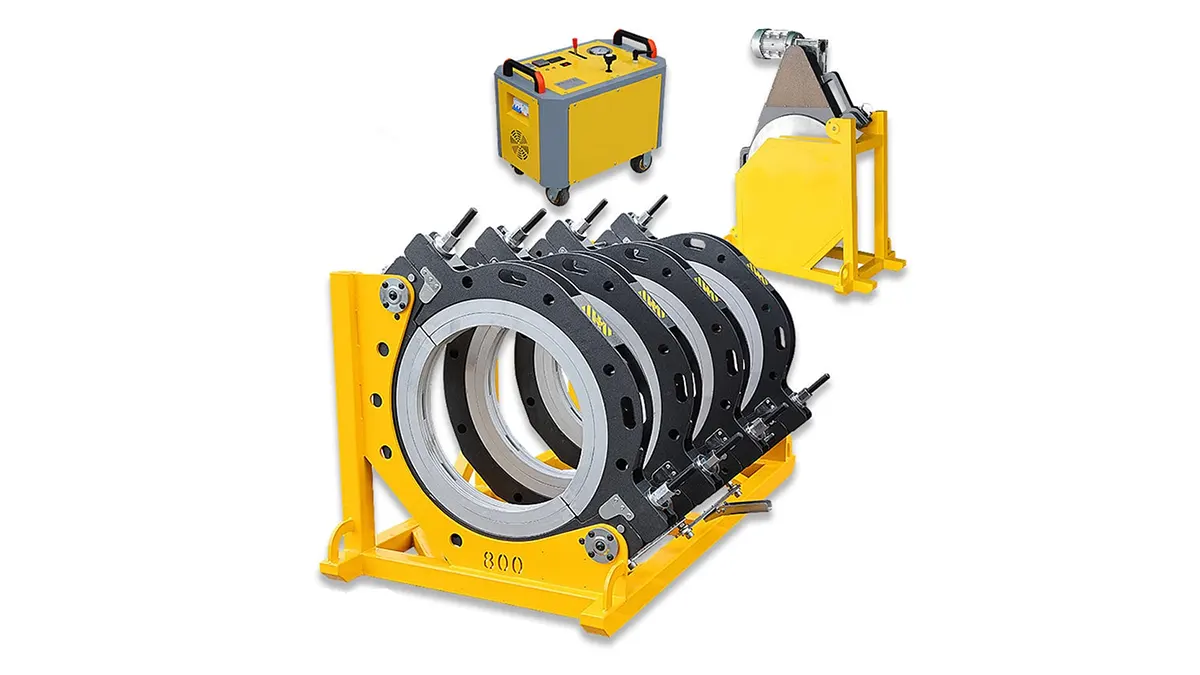
Request machine demos, sample weld reports and references from projects in similar environments. Confirm spare parts lead times and ask for operator training packages. For projects that require tailored solutions or a wide product range — from portable manual frames to large hydraulic and CNC systems — look for suppliers with export experience and documented quality control.
Ready to source a machine? Start by shortlisting models that match your pipe sizes and site conditions, then arrange a technical review or factory visit to ensure the supplier can meet Georgian logistics and on-site support needs.



