
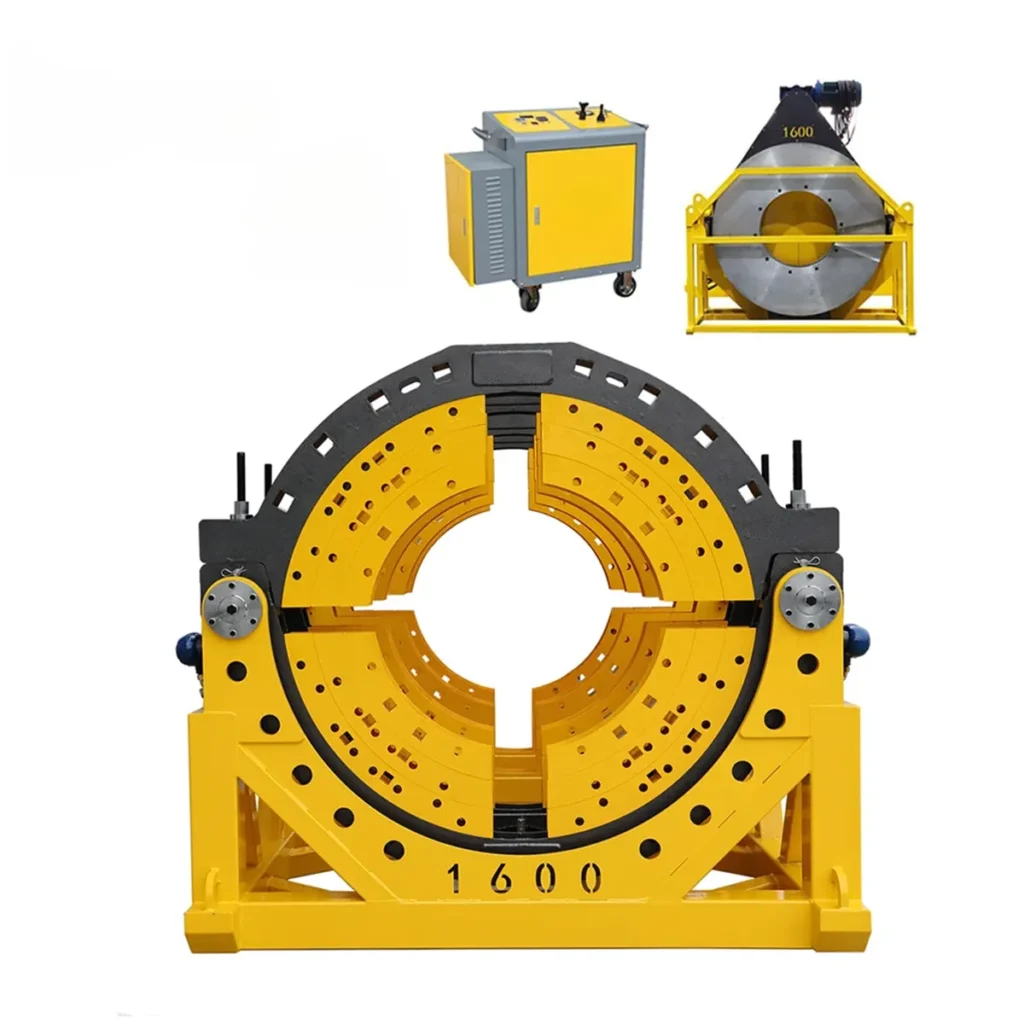
Finding the right butt fusion machine supplier in France can make or break your HDPE pipeline project. Whether you’re a municipal contractor, a gas distribution company, or an industrial installer, the right partner helps ensure consistent weld quality, regulatory compliance, and reliable after-sales support.
Understand Local Requirements and Standards
France-specific regulations and European standards such as CE marking and EN 12201/ISO standards are essential. Ask any prospective supplier about conformity certificates, conformity assessment procedures, and documentation for on-site inspections by French authorities or clients.
Who in France needs a trusted supplier?
Public works teams (e.g., Eau de Paris subcontractors), regional water utilities, rural network installers, and SUEZ/Veolia contractors all look for machines that deliver repeatable results, traceability, and local service. Your selection should reflect the operating environment — urban trenchwork, confined Parisian sites, or remote rural connections in Provence.
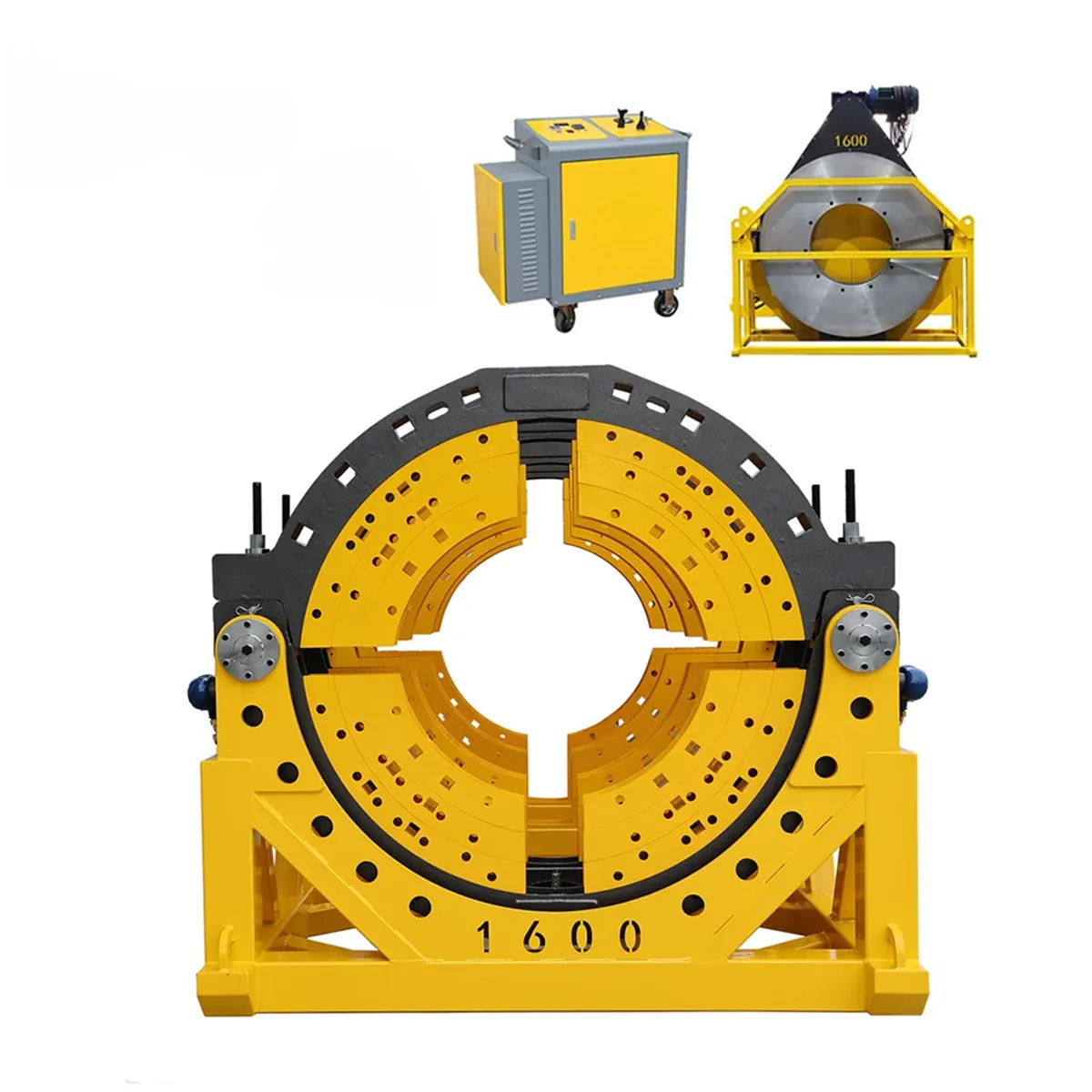
Key machine types and when to choose them
Different projects require different equipment. Choose based on pipe diameter, site logistics, crew skill level, and production targets.
| Machine Type | Pipe Range | Best For | Notes |
|---|---|---|---|
| Manual Butt Fusion | 20–450 mm | Small jobs, tight budgets, rural works | Portable, low maintenance |
| Hydraulic Butt Fusion | 63–2250 mm | Medium to large diameter pipelines | Higher throughput, robust for site work |
| CNC/Automatic Fusion | 63–2000+ mm | High-precision, repetitive welds, long runs | Best for contractors with QA traceability needs |
Performance and durability — what to verify
Inspect build quality (frame rigidity, clamps), hydraulic power units, heating plate life, and control electronics. Machines working in France’s varied climates — coastal salt air in Brittany, cold winters in Lorraine, hot summers in Occitanie — need corrosion-resistant finishes and stable hydraulic systems.
Supplier checklist: 8 questions to ask
• Do you provide CE/EN compliance documents and welding procedure specifications (WPS)?
• What is the warranty and what does after-sales service include (spare parts, technicians, calibration)?
• Can you offer training in French or on-site commissioning in France?
• What lead times and delivery logistics are available to major French ports (Le Havre, Marseille)?
• Do you support traceability systems and weld data logging for quality audits?
• Are consumables (heating plates, cutters, clamps) available locally or shipped quickly?
• Can machines be tailored to project-specific clamps, hydraulics, or power inputs?
• Are references from French projects or EU clients available?
Buying vs renting vs partnering
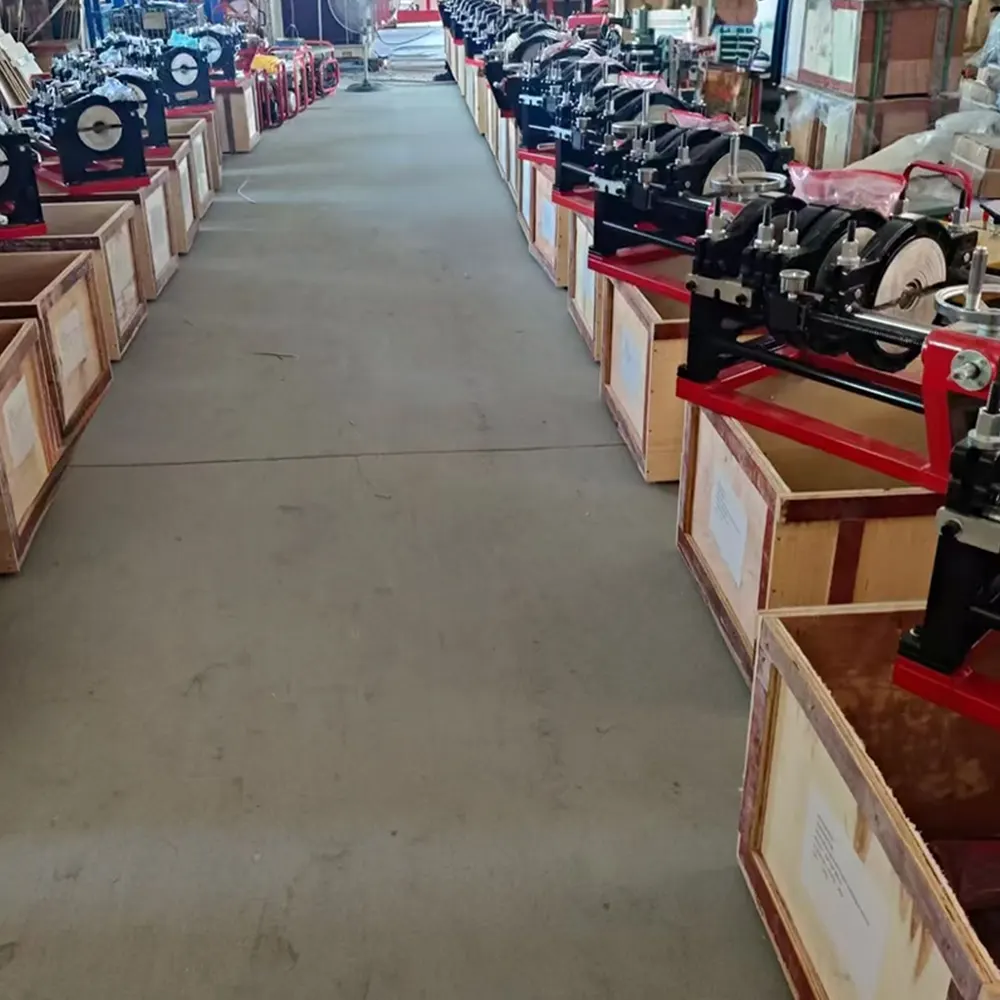
Short-term projects may benefit from rental. For long-term or high-volume works, purchasing reduces operating costs and ensures your crew gains expertise. Many French contractors prefer a hybrid approach: rent larger diameter machines for occasional jobs and keep hydraulic/manual units in-house for daily tasks.
Local support and training are non-negotiable
Language and proximity matter. Choose a supplier that offers technical training in French, on-site start-up, and fast spare parts dispatch within the EU. This minimizes downtime and aligns weld documentation with French client expectations.
How to validate a supplier before signing
Request a live demo, ask for sample weld records, check reference projects in France or nearby EU countries, and verify spare-parts availability. Confirm transport and customs planning if equipment is shipped from outside the EU.
A pragmatic approach for procurement teams
Step 1: Define pipe diameters, joint frequency, and production targets. Step 2: Narrow to 2–3 machine types and request technical offers. Step 3: Evaluate total cost of ownership including training, parts, and service.
Why work with an experienced manufacturer
An experienced OEM understands welding parameters, offers tailored solutions, and supports long-term QA. For example, JQ-Fusion provides a full range of manual, hydraulic, and CNC automatic butt fusion welding machines along with global support tailored to infrastructure projects.
Final tips
Prioritize traceability (data logging), regulatory compliance, and local language support. Verify real-world references and confirm fast spare-part supply within the EU to keep French projects on schedule and compliant.



