
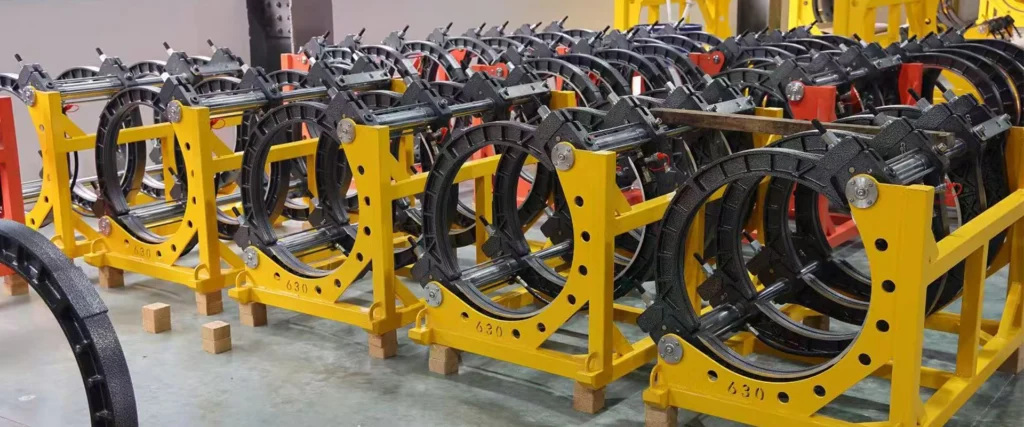
Finding a reliable butt fusion machine supplier in Angola is essential for contractors, municipal utilities, mining companies, and oil & gas operators working on HDPE pipeline projects. This guide explains what to look for, how to evaluate suppliers, and practical tips for procurement, shipping, and local support tailored to Angola’s market.
Why Angola Projects Need Trusted Butt Fusion Suppliers
Angola’s infrastructure landscape includes large-scale water supply upgrades, mining site pipelines, and oil & gas distribution networks. Projects often operate in remote provinces with challenging logistics, high humidity, and an urgent need for durable HDPE welding equipment. Choosing the right butt fusion welding machine and supplier reduces downtime, ensures weld integrity, and keeps field teams safe and productive.
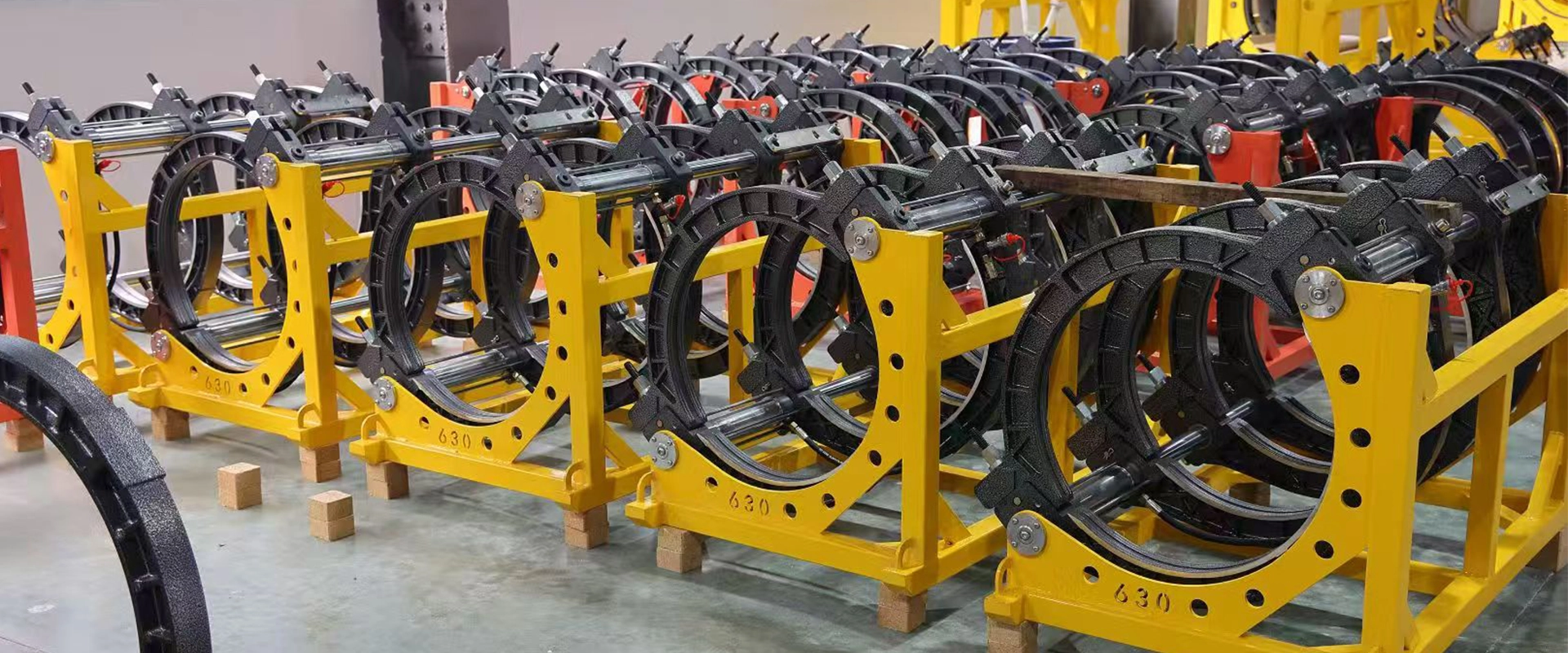
Key Supplier Evaluation Criteria
Experience & portfolio: Verify supplier track record with HDPE projects similar to Angola’s scope — water networks, mining, or onshore oilfield pipelines.
Certifications & standards: Ask for ISO, CE, or other relevant quality certificates and proof of testing for heating plates, clamps, and control systems.
After-sales support: Confirm availability of spare parts, local agents or authorized service partners, and remote technical support in Portuguese or English.
Training & documentation: Insist on operator training, welding procedure documentation (PQR/QR), and clear maintenance manuals suited for field teams in Angola.
Warranty & reliability: Compare warranty terms, response times for replacement parts, and mean time between failures (MTBF) where available.
Which Machine Type Suits Your Angola Project?
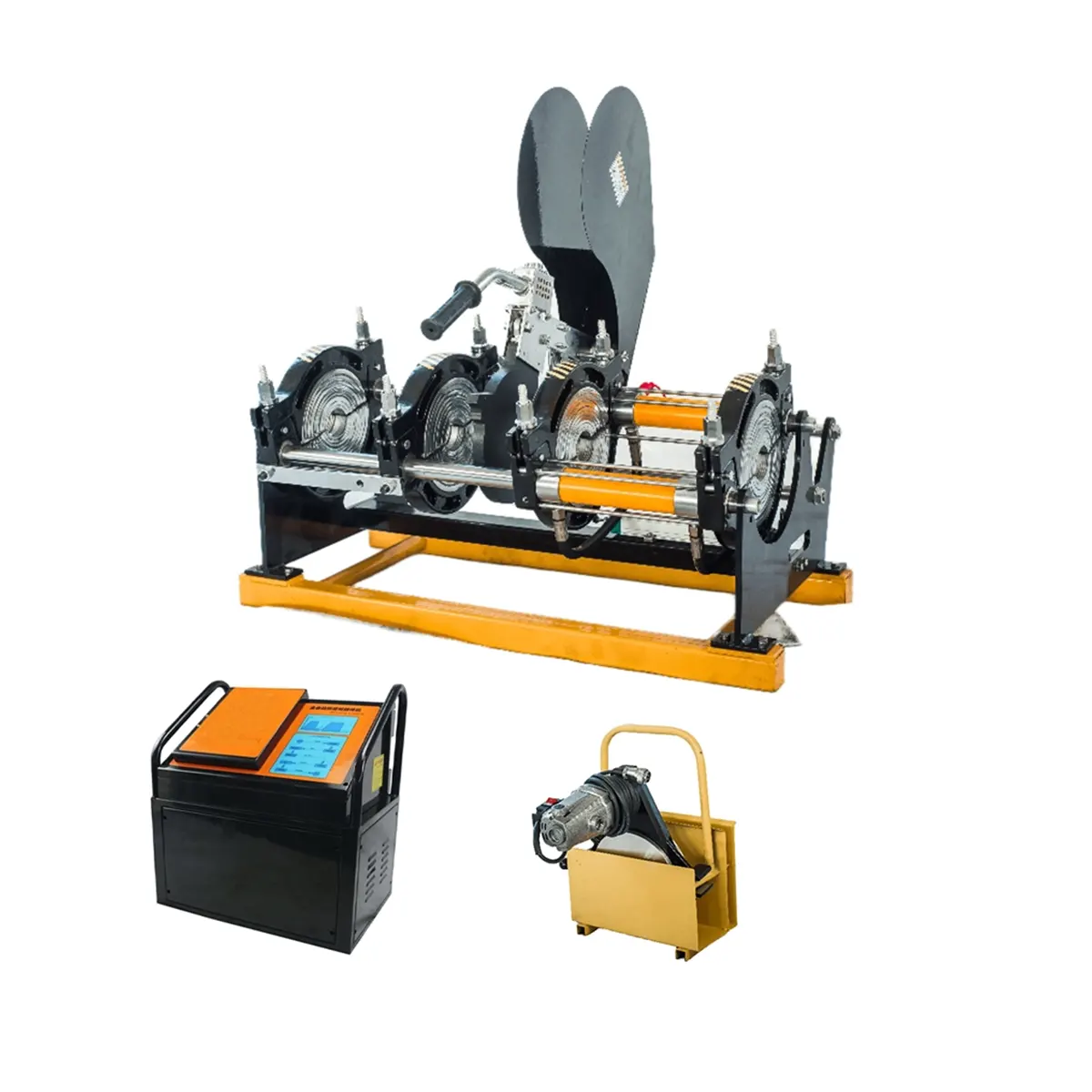
Selection depends on pipe diameter, production rate, site conditions, and crew expertise. Use this quick comparison to narrow choices:
| Machine Type | Best For | Diameter Range | Field Advantage |
|---|---|---|---|
| Manual Butt Fusion | Small jobs, remote locations | 16mm–315mm | Low cost, portable |
| Hydraulic Butt Fusion | Medium to large pipelines | 160mm–1250mm+ | Stronger clamps, stable weld force |
| CNC / Automatic Butt Fusion | High-volume production, quality control | 63mm–1600mm+ | Precise parameters, digital records |
Practical Procurement Tips for Angola
Local logistics: Plan deliveries via the Port of Luanda or Namibe and allow extra lead time for customs clearance. Confirm packaging and fumigation requirements.
Customs & duties: Check Angola’s import regulations and HS codes for machinery. Include import duties and VAT in total project budget to avoid surprises.
Payment & contracts: Negotiate clear payment milestones, inspection rights before shipment, and defined remedies for defective equipment.
Language & training: Insist on Portuguese-language manuals or onsite translation during commissioning where possible to speed crew adoption.
After-Sales: Spare Parts, Training & Remote Support
Ensure the supplier can ship commonly replaced items quickly (heating plates, heaters, PTFE pads, clamps, hydraulic seals). Remote troubleshooting via video calls is invaluable for Angola’s remote sites; confirm supported communication channels and spare parts stocking locations.
Quick Checklist Before Ordering
1. Project pipe sizes and daily joint targets confirmed.
2. Supplier provides certificates, welding procedure, and warranty.
3. Spare parts list and training schedule agreed.
4. Shipping terms (Incoterms), lead times, and customs responsibilities defined.
For reliable butt fusion welding machines and global project experience, consider a partner like JQ-Fusion that offers manual, hydraulic, and CNC automatic solutions along with spare parts and technical support.



