
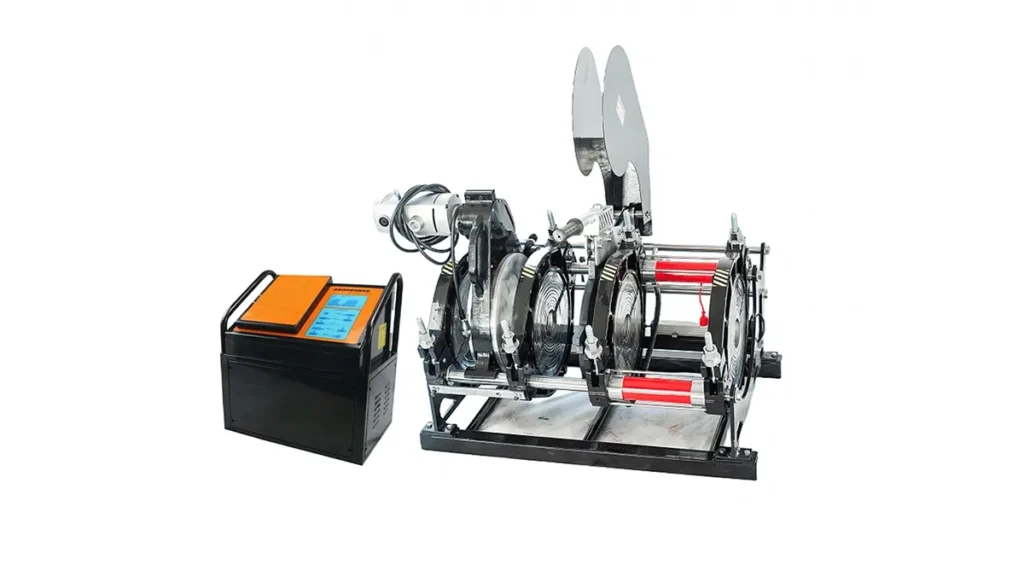
Choosing the right butt fusion machine supplier in New Zealand can make the difference between on-time, leak-free pipeline installation and costly rework. This guide helps contractors, pipeline engineers, municipal buyers, and gas utility teams in New Zealand evaluate suppliers and select equipment that fits local conditions—from remote rural sites on the South Island to urban infrastructure projects in Auckland and Wellington.
Understand Local Needs and Application Areas
New Zealand projects often require machines that are portable for rural access, robust for coastal or high-humidity environments, and compliant with local regulations for water and gas pipelines. Consider whether the machine will be used primarily for:
• Water supply and reticulation
• Gas distribution
• Irrigation and agricultural networks
• Industrial or mining pipeline work
Environmental and logistical factors
NZ sites can be remote, so choose a supplier who offers durable equipment and reliable shipping options. Look for machines with corrosion-resistant components and simple field serviceability to reduce downtime during seasonal work peaks.
Key Selection Criteria: What to Evaluate
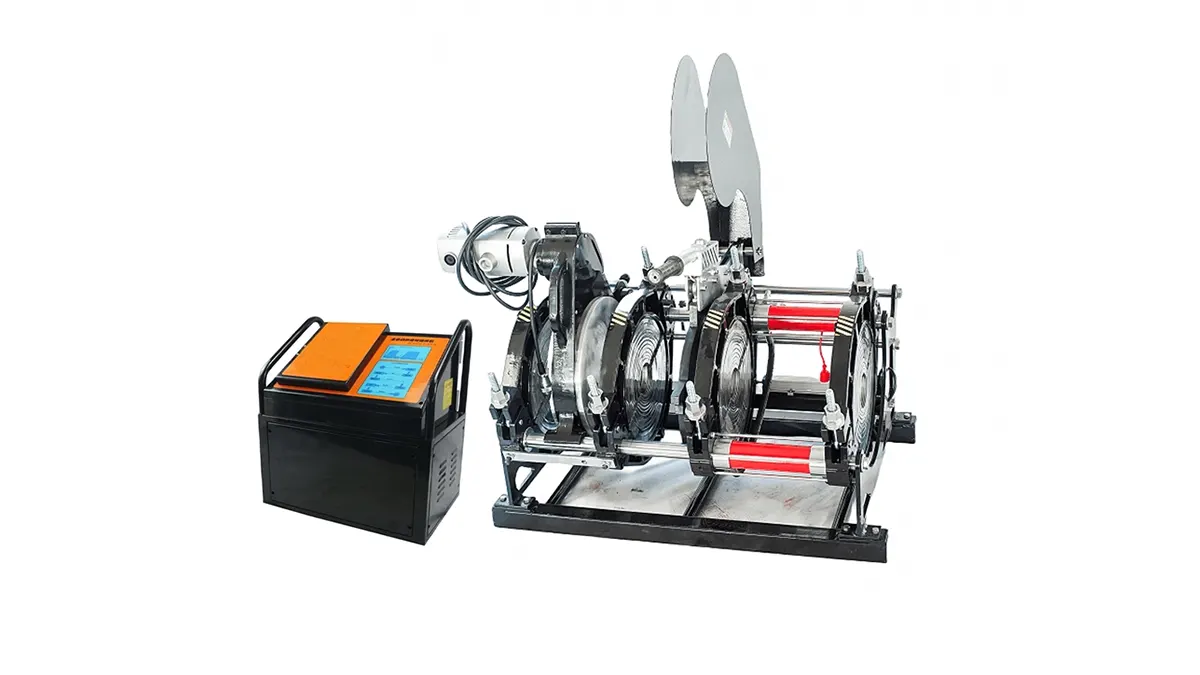
Machine type and automation level: Manual models are cost-effective for small jobs; hydraulic and CNC automatic models deliver consistency and speed for large-diameter or high-volume projects.
Pipe size range and clamping system: Ensure the supplier provides clamping frames and jaws compatible with the pipe diameters you commonly use (e.g., 63–2000mm).
Quality and certifications: Verify welding control systems, heater plate quality, and certifications relevant to polyethylene welding standards.
After-sales support and spare parts availability: Fast access to spare parts, technical manuals, and remote or on-site training is essential for Kiwi contractors working across islands.
Operator training and software
Choose a supplier who provides training tailored to NZ standards and an easy-to-use welding controller with local language support or simple icons for fast adoption on site.
Comparison Table — Quick Buyer Checklist
| Criteria | Why it matters | What to ask the supplier |
|---|---|---|
| Machine Type | Affects speed, repeatability, and cost | Do you offer manual/hydraulic/CNC models? |
| Diameter Range | Ensures compatibility with existing inventory | Which pipe sizes are supported? |
| Service & Parts | Minimizes downtime for remote jobs | Lead times for spare parts and training options? |
| Compliance | Meets industry and health & safety requirements | Can you provide conformity and test certificates? |
Budgeting: Total Cost of Ownership
Beyond the initial purchase price, factor in shipping to NZ, import duties, spare parts, training, and maintenance. An automated unit may cost more upfront but reduce labor hours and rework on long-term projects, which is important for large-scale municipal or utility contracts in New Zealand.
Service, warranty, and local partnerships
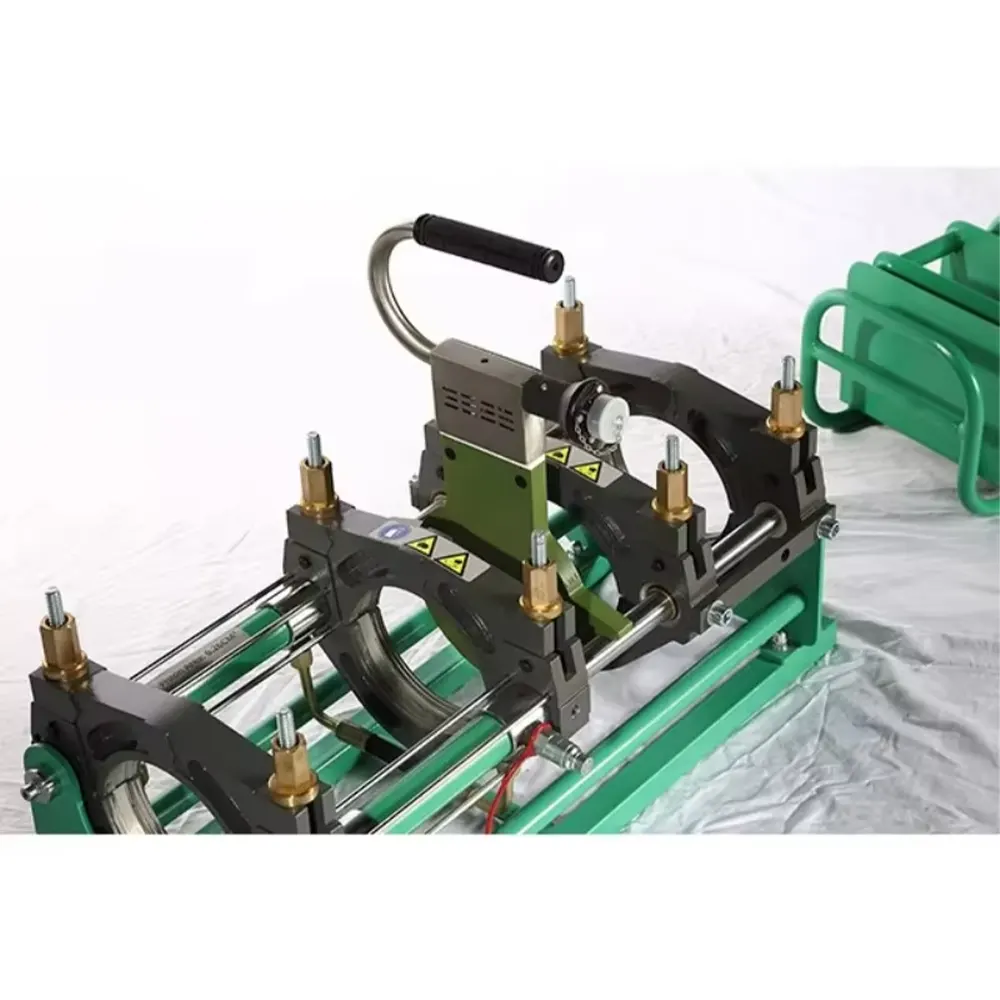
Prefer suppliers who can provide NZ references, local agents, or regional partners. Reliable warranty terms and a clear service escalation path are especially valuable when working on public infrastructure projects that require long-term guarantees.
How to validate a supplier quickly
Ask for case studies in similar markets, request video demos of welding cycles, and check client testimonials. For faster procurement, request an itemized quote including shipping, customs documentation, and recommended spare parts kit.
Final practical tips for New Zealand buyers
1) Prioritize machines that are easy to transport between urban and rural sites. 2) Confirm heater plate replacements and consumables are stocked or quickly delivered. 3) Schedule operator training before the first job to ensure consistent weld quality under local conditions.
For a reliable international manufacturer experienced in HDPE butt fusion equipment and global infrastructure projects, consider reaching out to JQ-Fusion for model options, technical details, and service packages tailored to New Zealand applications.



