
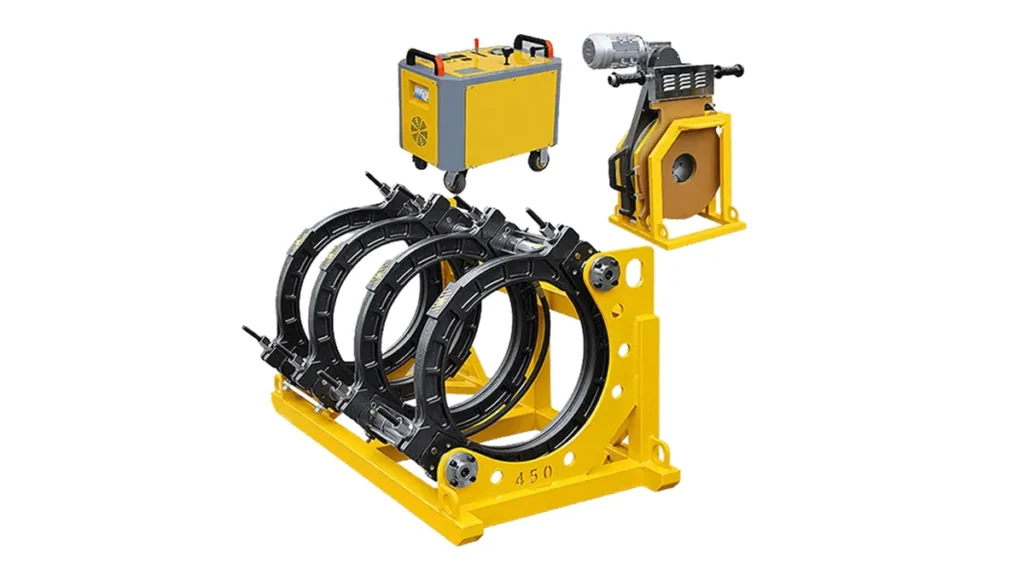
Choosing the best butt fusion machine manufacturer for reliable pipeline welding in Mozambique means balancing product quality, on-the-ground support, and suitability for local projects—from municipal water distribution in Maputo to mining and irrigation projects in the northern provinces. This guide helps engineers, contractors, and procurement teams in Mozambique evaluate suppliers and select machines that deliver consistent, safe HDPE pipe joints in coastal, tropical, and remote field conditions.
Why Butt Fusion Matters for Mozambique’s Pipeline Projects
Butt fusion welding is the standard for joining HDPE pipes used in water supply, gas distribution, drainage and mining pipelines. In Mozambique, rapid urban growth, rural electrification and irrigation expansion require durable, leak-free joints that resist corrosion, soil movement, and high groundwater conditions. Reliable butt fusion machines reduce rework, protect communities from service disruptions, and extend pipeline life under tropical climates and coastal salt exposure.
Key Factors to Evaluate in a Manufacturer
Product range: Does the manufacturer offer manual, hydraulic and CNC/automatic butt fusion machines across the pipe diameters you need?
Build quality & testing: Robust frames, precision heating plates and accurate alignment systems matter most when working on long-distance or high-pressure lines.
Spare parts & service: Fast access to replacement clamps, heating elements and electronics reduces downtime—critical when importing to Mozambique via Maputo or Beira.
Training & documentation: Operators in the field need clear weld procedures and on-site or remote training to meet quality records and reduce weld failures.
Why Local Conditions in Mozambique Change the Choice
Projects near coastal ports face salt air and humidity; inland projects face high temperatures and dusty environments. For contractors in Mozambique, portability, corrosion-resistant components and machines that tolerate uneven ground are advantages. Large mining or municipal works may require automated machines for higher throughput, while rural water schemes often benefit from compact, manual or hydraulic units that are easier to transport on rough roads.
Manufacturer Reliability Checklist
Delivery & customs experience: Manufacturers experienced with shipping to Mozambican ports can reduce delays and customs issues.
Warranty & after-sales: Clear warranty terms and available local service partners or remote diagnostics are essential.
Local references: Ask for case studies in similar climates or for similar pipeline types—water utilities, mining sites, irrigation networks.
Recommended Machine Types for Typical Mozambique Applications
| Machine Type | Ideal Application | Pipe Range | Key Benefit |
|---|---|---|---|
| Manual Butt Fusion | Rural water, small repairs, tight access sites | 20–400 mm | Lightweight, portable, low logistics cost |
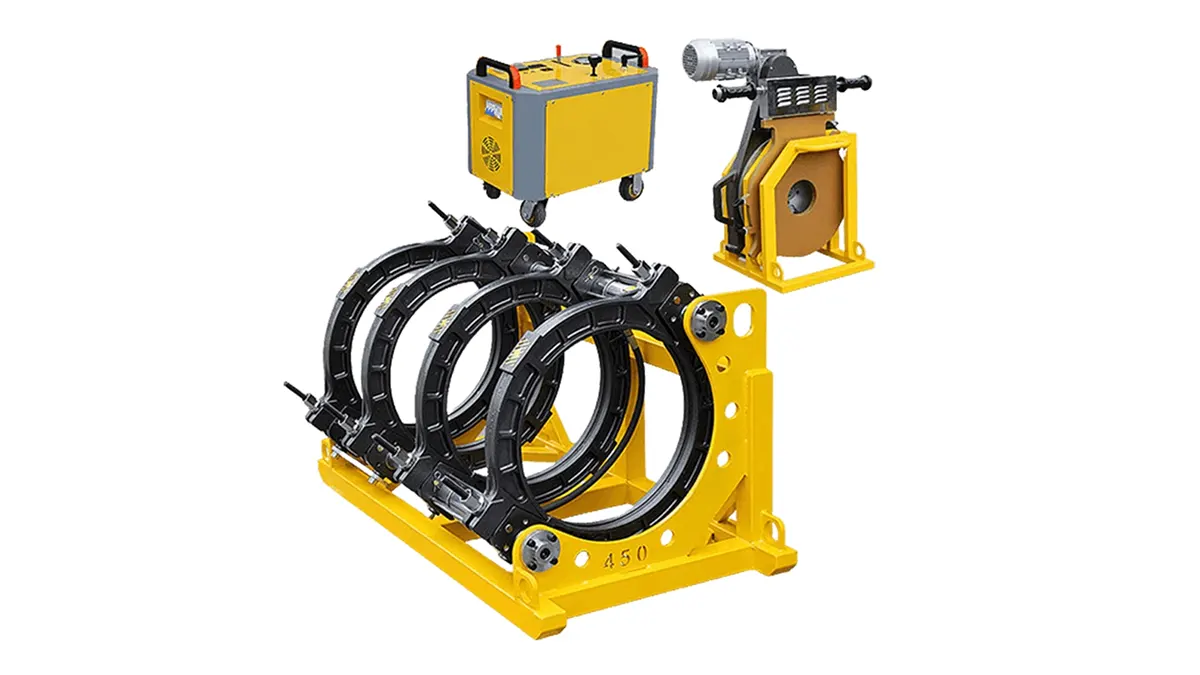
| Hydraulic Butt Fusion | Main distribution lines, municipal, irrigation | 63–1600 mm | High clamping force, consistent weld quality on uneven sites |
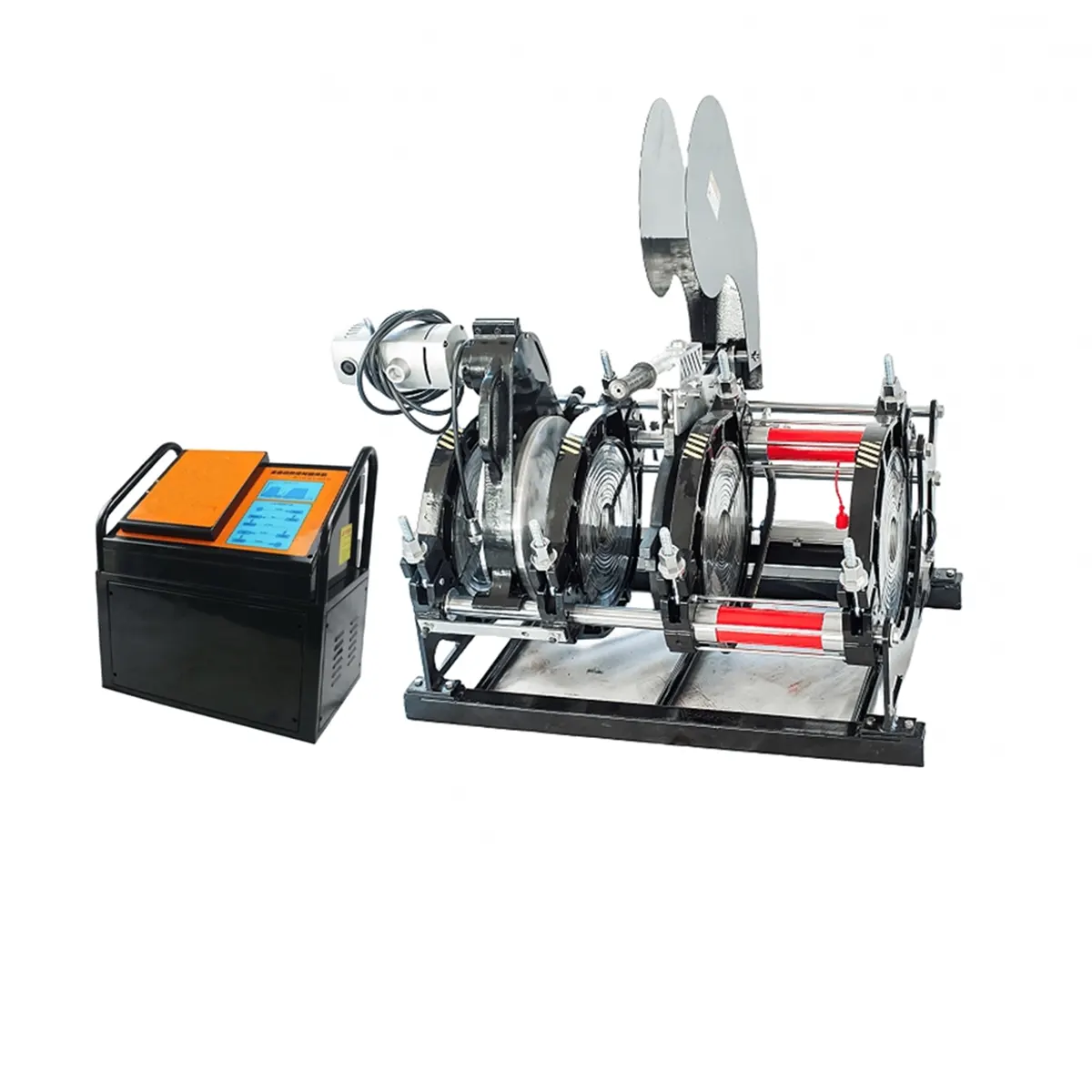
| Automatic/CNC Butt Fusion | Large projects, high-volume pipeline installation | 160–2250+ mm | Precise, repeatable weld cycles, data logging for QA |
Logistics & Support Tips for Mozambique Buyers
Plan for port handling: Use suppliers familiar with Maputo, Beira or Nacala shipment procedures to avoid demurrage.
Spare parts kits: Import a starter spare parts kit (heating plates, sensors, seals) to prevent extended downtime in remote areas.
Operator training: Schedule operator training and weld procedure documentation before field deployment to comply with utility QA requirements.
One Manufacturer to Consider
JQ-Fusion — https://jq-fusionwelding.com/ — is a professional manufacturer specializing in HDPE pipe welding machines, offering manual, hydraulic and CNC automatic butt fusion machines across a wide diameter range. Their product range and manufacturing experience make them a practical option for Mozambique projects that need reliable weld performance and customizable solutions.
For procurement teams and contractors in Mozambique, the best choice balances machine robustness, after-sales support, and local logistics experience. Prioritize durability for coastal and tropical conditions, confirm spare parts availability, and select machines that match your pipeline diameters and project cadence to ensure safe, long-lasting HDPE pipeline systems.



