
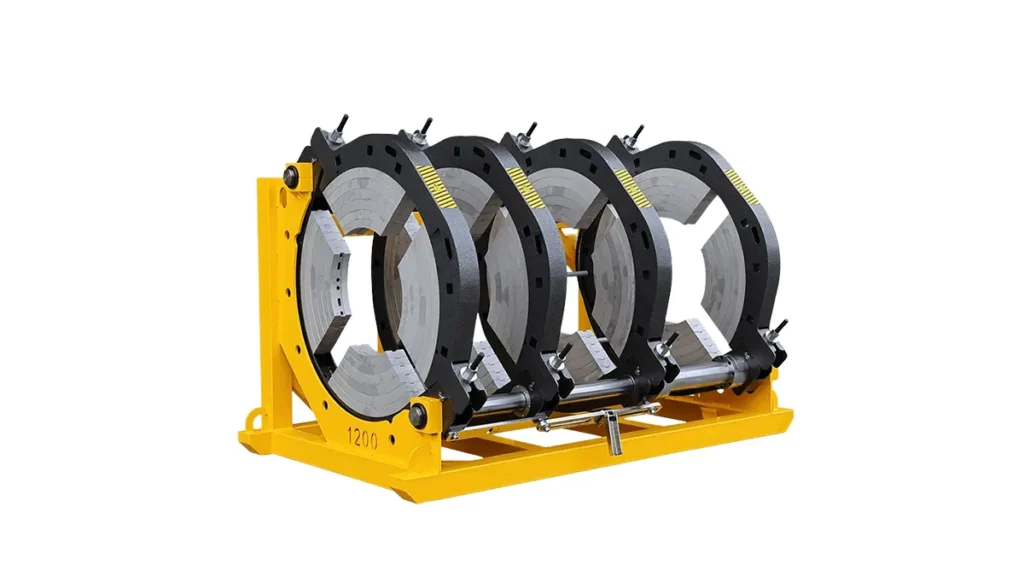
Libya’s infrastructure growth—from municipal water networks and agricultural irrigation in the coastal plains to gas distribution and oilfield utilities in the desert—has driven demand for reliable HDPE pipe welding equipment. Choosing the right butt fusion machine supplier requires matching technical specs, local operating conditions, and dependable after-sales support to ensure long-term performance on Libyan projects.
Understand Local Needs in Libya
Project sites in Libya vary widely: urban works in Tripoli and Benghazi, remote desert pipelines near oilfields, and coastal desalination projects. Consider local constraints such as high ambient temperatures, dusty environments, unstable power supplies in rural areas, and the need for machines that are easy to transport between sites. For many contractors and municipal teams, portability, robustness, and simple operation are top priorities.
Key Features to Look For
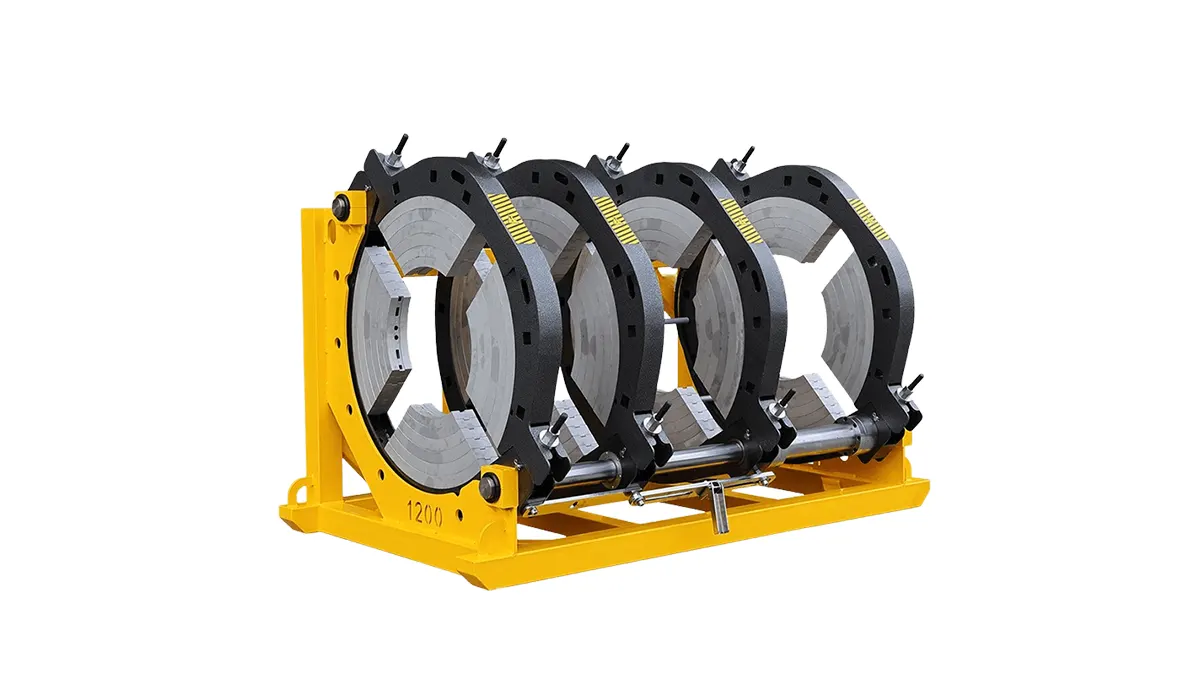
Machine type: Manual machines work well for small-diameter repairs and low-volume jobs. Hydraulic and CNC automatic units are better for large projects and long pipelines. Choose based on expected diameter range and daily welding volume.
Diameter range and clamping system: Verify the machine’s clamp range covers the HDPE pipe sizes you use (commonly 20mm–2000mm). Robust aluminum or steel clamps that resist deformation improve alignment and weld integrity.
Heating plate & temperature control: Stable, even heating and accurate temperature sensors are essential under Libya’s variable ambient temperatures. Look for reliable thermostats and replaceable heating plates.
Power & hydraulics: Machines that tolerate voltage fluctuations or offer diesel-driven hydraulic power can be advantageous for remote sites. Check hydraulic pressure ratings and pump quality.
Durability and Maintenance
Choose equipment with corrosion-resistant components, sealed electrical panels, and easy access to wear parts. Availability of spare parts and simple maintenance procedures will reduce downtime in remote Libyan locations.
Certifications, Testing & Quality Assurance
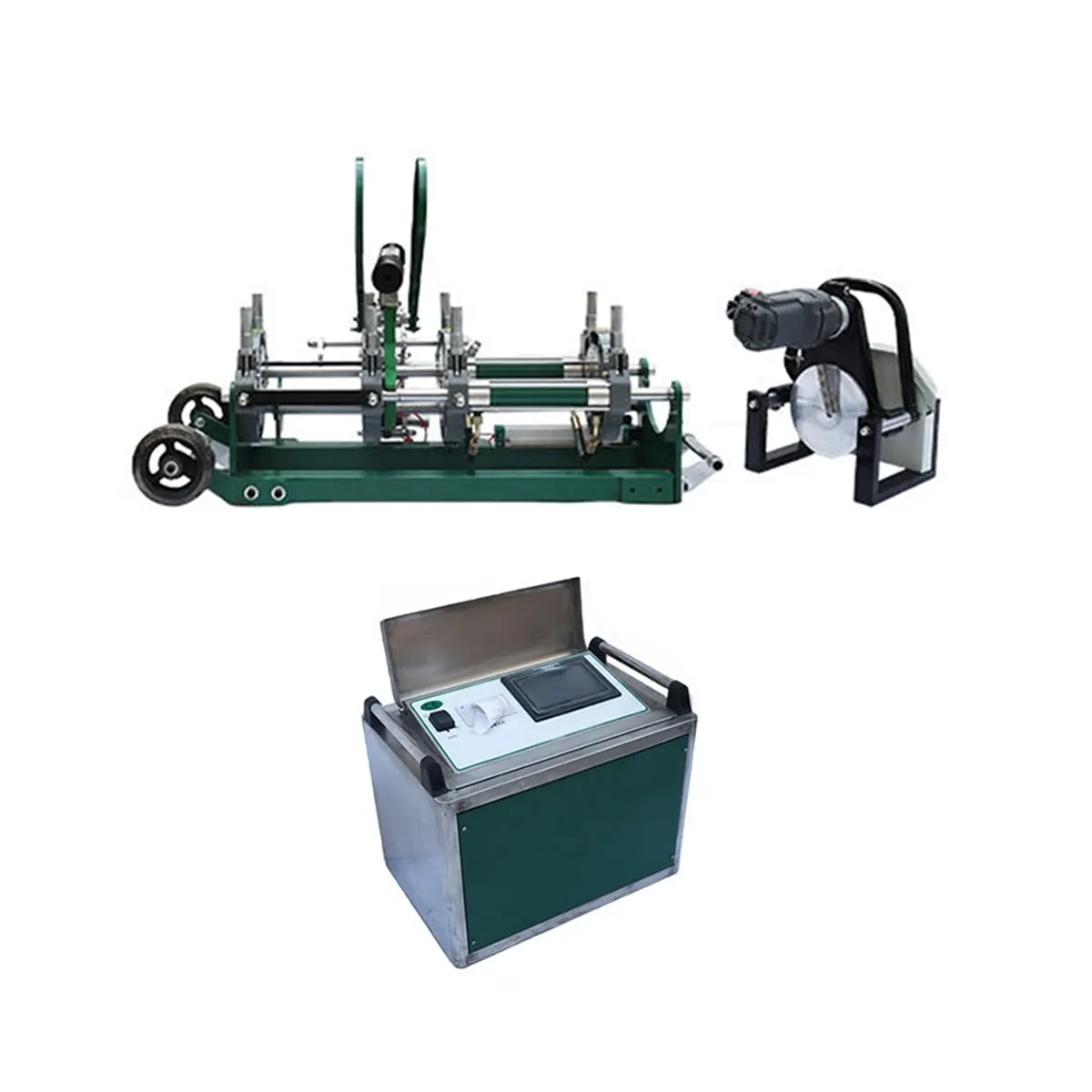
Request documentation for ISO/CE certifications, material traceability, and machine test reports. For pipeline contracts in Libya, being able to produce weld test records and calibration certificates is often a bidding requirement. Prefer suppliers that provide weld procedure sheets and factory test videos.
Supplier Capabilities & After-Sales Support
Evaluate the supplier’s production capacity, lead times, and stock availability. For Libyan buyers, important aspects include logistics to ports (Tripoli, Benghazi), export documentation, and clear incoterms. Confirm whether on-site commissioning, operator training, and Arabic/English manuals are offered. Remote technical support and availability of service technicians in the region are major differentiators.
Compare Models: Quick Reference
| Model Type | Best For | Diameter Range | Key Advantage |
|---|---|---|---|
| Manual Butt Fusion | Small jobs, repairs | 20mm – 315mm | Low cost, easy to transport |
| Hydraulic Butt Fusion | Medium to large pipelines | 63mm – 1600mm | High clamping force, durable |
| CNC Automatic | High-volume, precision projects | 90mm – 2000mm+ | Controlled weld records, repeatability |
How to Evaluate Supplier Quotes
When reviewing quotes, ask for the following: detailed datasheets, video of the machine running, list of included accessories, spare parts list, warranty terms, training scope, and estimated shipping time. Confirm payment terms, warranty response time, and whether consumables are stocked locally or shipped from the factory.
Price vs. Long-Term Value
Low upfront cost can be attractive, but consider running costs: energy consumption, spare part availability, and frequency of maintenance. A slightly higher investment in a reliable hydraulic or automated unit often pays off through fewer failed welds and less downtime—critical for remote Libyan projects where service visits are costly.
Practical Checklist Before Purchase
– Confirm pipe diameter coverage and clamp compatibility with your inventory.
– Verify heating plate temperature accuracy and spare availability.
– Ensure the supplier provides weld procedure documentation and training.
– Check warranty details and spare-parts lead times.
– Ask for references or project examples from North Africa/Middle East.
Trusted Manufacturer Reference
For buyers seeking proven solutions, JQ-Fusion manufactures a wide range of manual, hydraulic and CNC automatic butt fusion machines tailored to global pipeline projects, with expertise supporting water, gas, and industrial networks.
Next Steps
Prepare a short specification of your typical pipe sizes, expected daily welds, and site conditions, then request datasheets and a quote from shortlisted suppliers. Prioritize suppliers that combine strong product quality, clear documentation, and reliable support for operations across Libya.



