
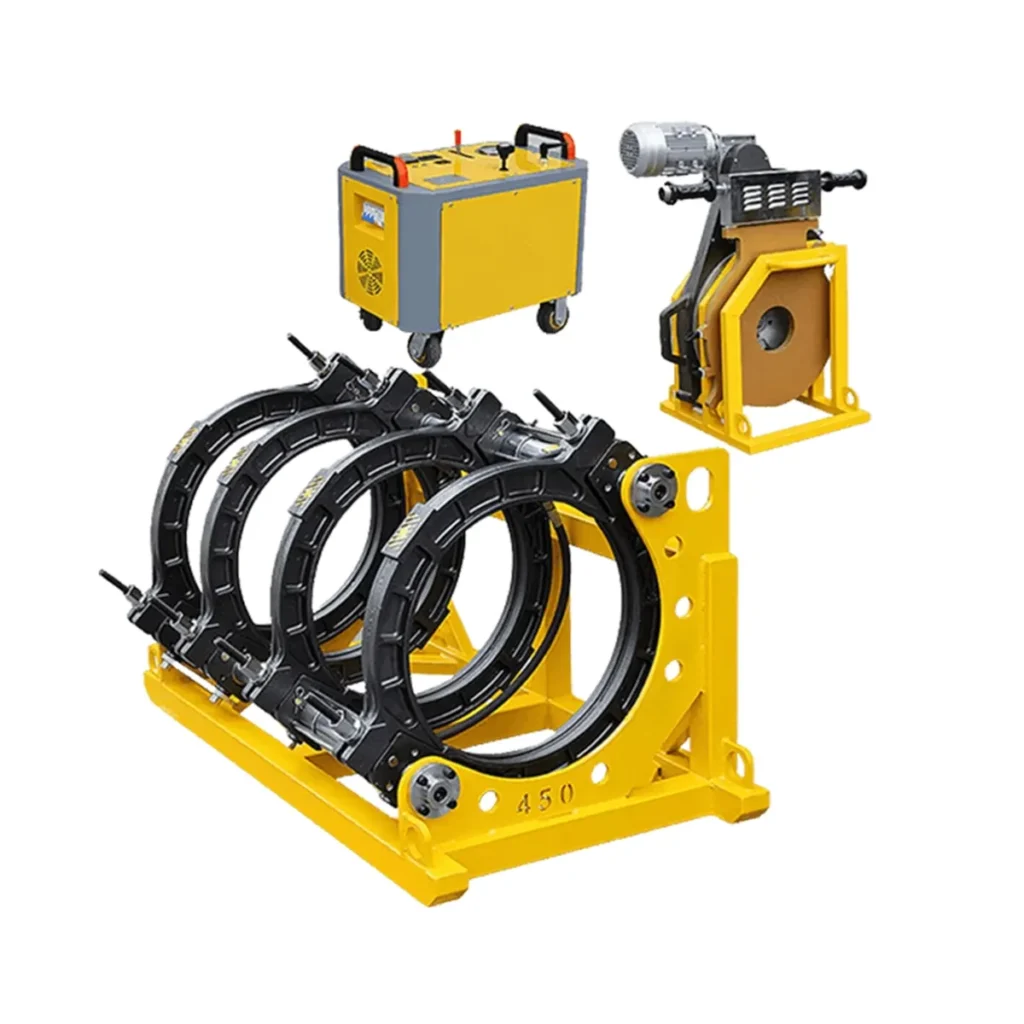
Choosing the right butt fusion machine supplier in Hungary can make the difference between smooth project delivery and costly downtime. Whether you are a municipal waterworks contractor in Budapest, a rural gas distribution company in the Great Plain, or an installer working on EU-funded pipeline upgrades, this guide helps you evaluate suppliers and pick equipment that fits Hungarian climate, regulations, and on-site conditions.
Understand Local Needs and Regulations
Hungary’s pipeline projects often involve cold winters, seasonal ground movement, and strict EU/CE regulations. Look for suppliers who understand local standards, can advise on thermal performance of HDPE joints, and provide documentation for projects funded by Hungarian municipalities or EU programs. Contractors and public utilities value clear compliance records and reliable delivery schedules.
Key Features to Evaluate
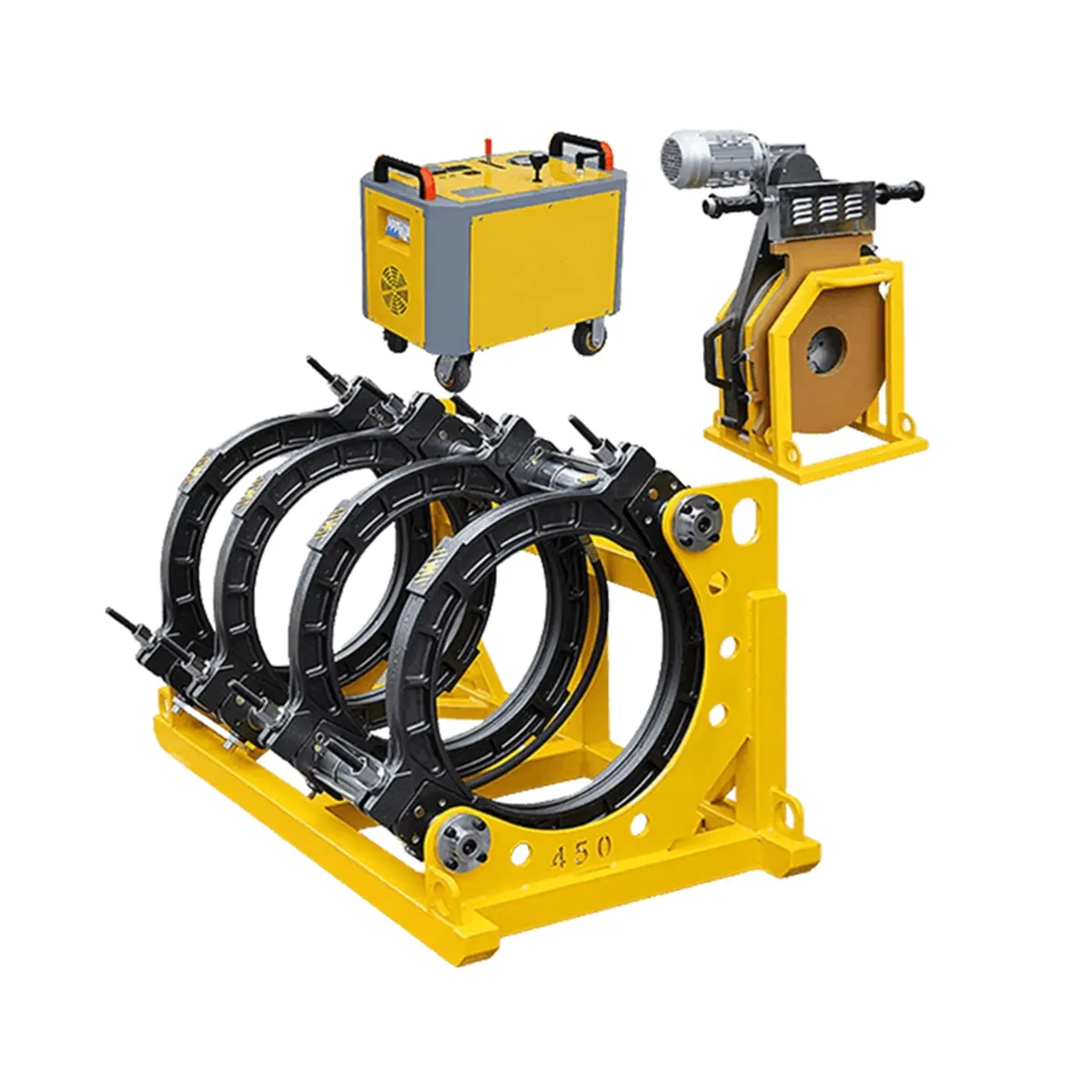
Machine range and flexibility: Ensure the supplier offers manual, hydraulic, and automatic machines that cover the pipe diameters you use most (from service lines to large-diameter mains).
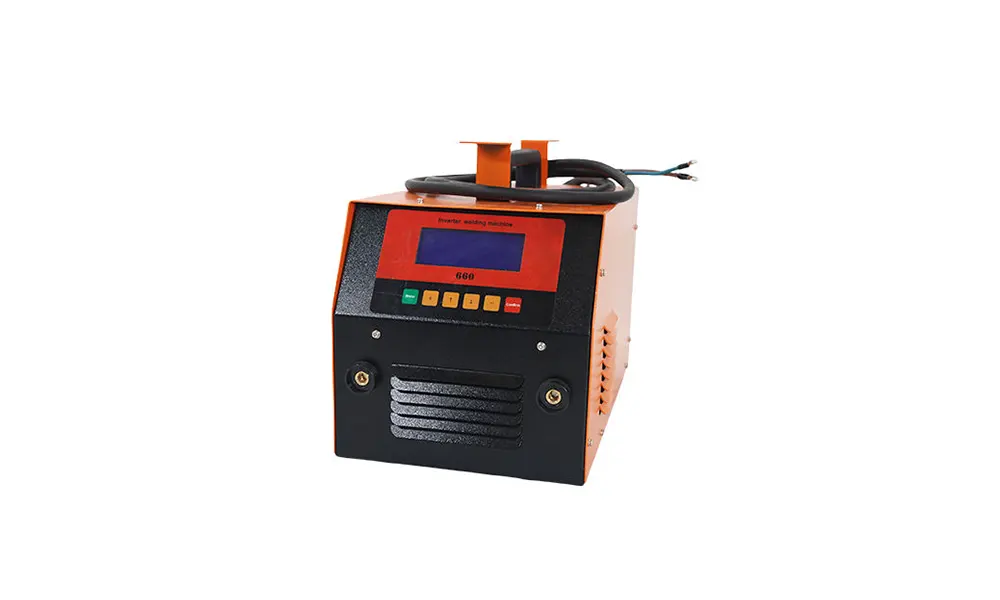
Control and traceability: Modern automatic units with digital controls and welding logs help meet project QA requirements.
Durability for Hungarian sites: Robust frames, corrosion-resistant components, and winterized accessories matter for outdoor work in Hungary.
Compare Costs — Beyond the Unit Price
Lowest upfront price may hide higher lifecycle costs. Ask about spare parts pricing, recommended consumables, calibration intervals, and the availability of service technicians in Hungary or nearby EU countries. Consider total cost of ownership: transport, training, and downtime during peak project seasons.
What to Ask Potential Suppliers
-
Certifications and standards: CE marking, ISO quality systems, and welding procedure qualifications.
-
Service network: Local or regional service partners, response times, and spare-part availability.
-
Training and documentation: On-site operator training, translated manuals, and welding logs for compliance.
-
References and case studies: Past projects in Hungary or neighbouring EU countries, with contactable references.
-
Customization: Adaptability for specific clamps, heating plates, or multi-angle fittings used in local pipelines.
Quick Comparison Table
| Key Factor | Why It Matters | Questions to Ask |
|---|---|---|
| Range of Machines | Handles all pipe sizes used on Hungarian projects | Which diameters and types do you stock? |
| Certifications | Ensures compliance with EU and local standards | Can you provide CE/ISO documents and welding PQRs? |
| After-sales Support | Minimizes downtime during critical seasons | Do you offer local technicians or rapid spare shipments? |
| Training | Improves weld quality and site safety | Is training provided in Hungarian or with translated materials? |
Supplier Red Flags
Avoid suppliers with vague warranty terms, limited spare-part listings, or no documented references. Long, unpredictable lead times and lack of local support can be costly when construction seasons in Hungary are short.
Making the Final Decision
Shortlist suppliers that demonstrate clear compliance, local project experience, transparent pricing, and reliable support. Arrange a demo or request a technical visit; seeing the machine in operation or inspecting recent project weld records will provide confidence.
Manufacturer reference: JQ-Fusion



