
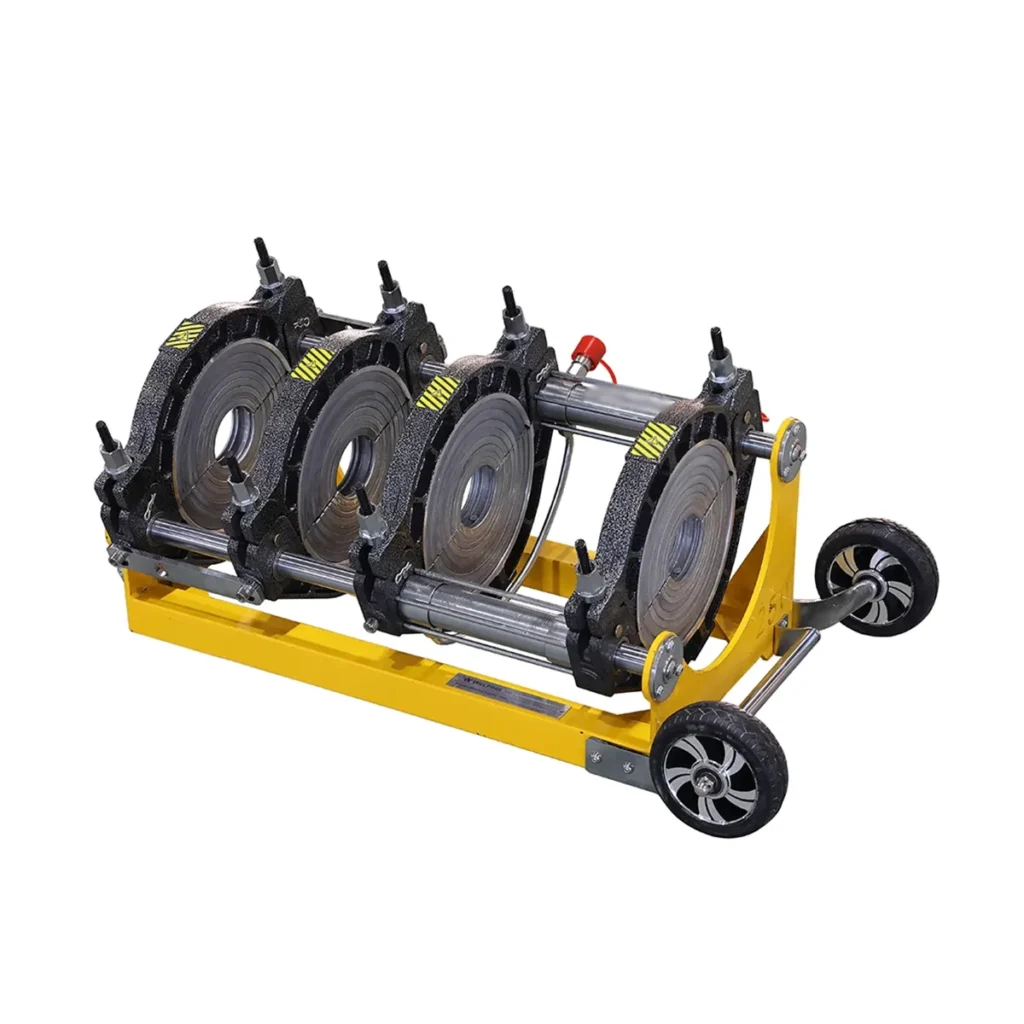
Choosing the right butt fusion machine maker in Thailand can make the difference between a durable pipeline and repeated repairs. Whether you’re working on irrigation canals in the Central Plains, municipal water networks in Bangkok, or industrial pipelines in the Eastern Seaboard, selecting a reliable supplier affects quality, uptime, and long-term cost of ownership.
What Thai contractors and utilities should consider first
Local project conditions — Thailand’s tropical climate, seasonal flooding, and coastal humidity create demands for corrosion-resistant components, robust seals, and machines that perform consistently in hot, humid environments. Also consider transport to provinces and island projects: portability and packaging matter.
Machine type and pipe size range
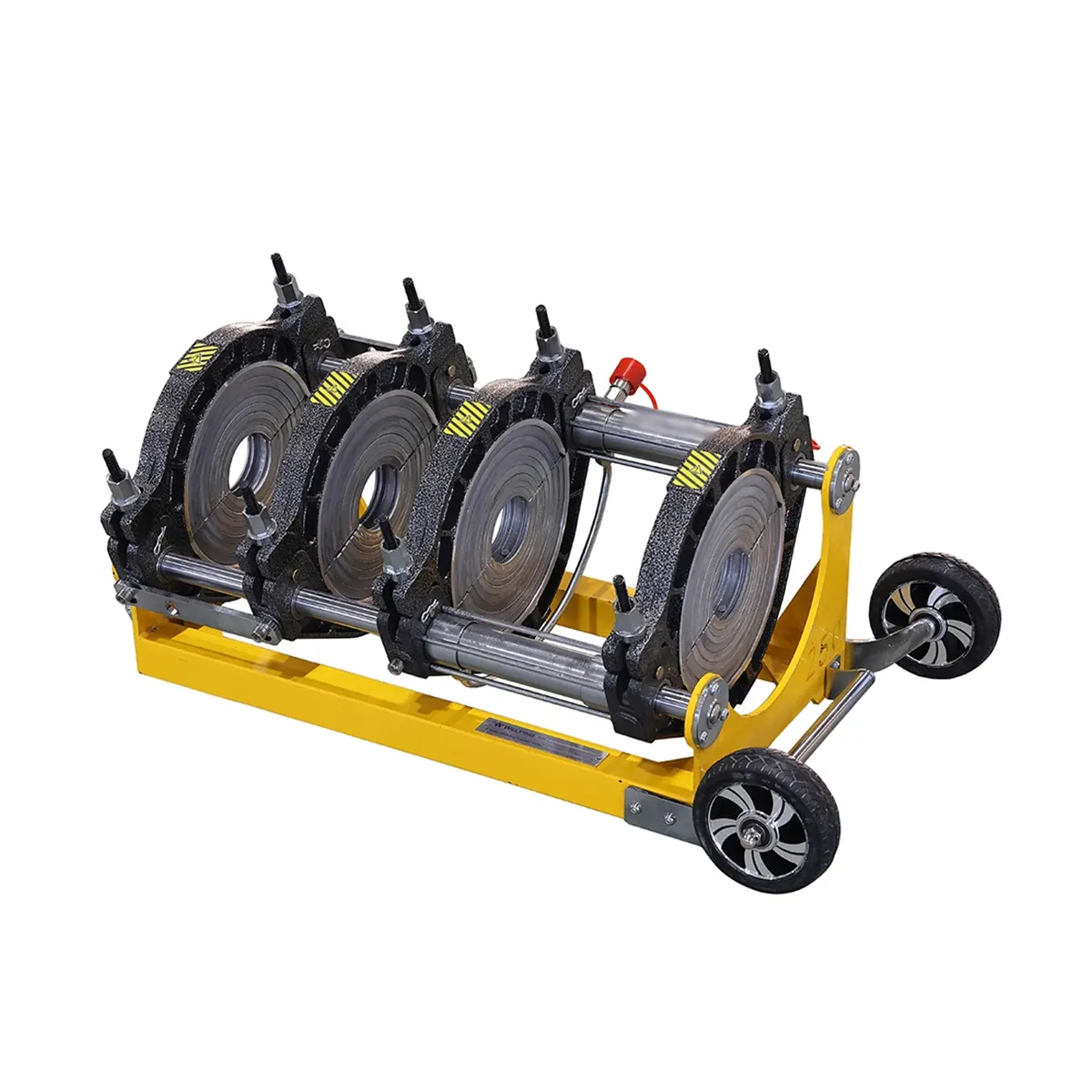
Select a supplier that offers options for the pipe diameters you use most often. Small municipal and irrigation pipelines usually need manual to mid-size hydraulic units, while long-distance water, gas, or industrial lines may require hydraulic or CNC automatic machines to maintain consistent weld quality over many joints.
Quality, certifications and materials
Ask for documentation: ISO quality systems, calibration records for heaters and clamps, and material traceability for critical components. In Thailand, ensuring compliance with local utility standards and international norms (e.g., ISO, ASTM where applicable) reduces risk during acceptance tests.
After-sales support, spares and training in Thailand
Fast access to spare parts and qualified service is essential. Prioritize suppliers who can provide:
- On-site or remote operator training for Thai crews
- Fast spare parts shipment to major Thai ports (Laem Chabang, Bangkok)
- Technical manuals and weld procedures in English and, ideally, Thai
Quick comparison: Manual vs Hydraulic vs Automatic
| Type | Best for | Advantages | Considerations |
|---|---|---|---|
| Manual | Small diameter, remote sites | Lightweight, low cost | Operator skill impacts weld quality |
| Hydraulic | Medium to large pipelines | Consistent pressure control, durable | Higher initial cost, needs maintenance |
| Automatic / CNC | High-volume, precision projects | Repeatable welds, data logging | Requires trained operators and power source |
How to vet a butt fusion machine maker
Before you buy, perform these checks to reduce procurement risk:
- Factory audit or virtual tour to confirm manufacturing capabilities and QA processes.
- Request weld samples or video demonstrations under conditions similar to your Thai sites.
- Check references — contractors or utilities in Southeast Asia are the most relevant.
- Confirm lead times and shipping options to Thai ports and inland logistics.
Technical checklist for procurement
- Pipe diameter and SDR compatibility
- Heater plate types and spare availability
- Maximum fusion pressure and control resolution
- Data logging and traceability for QA records
- Power requirements and adaptability for site conditions
Cost vs lifecycle value — think long term
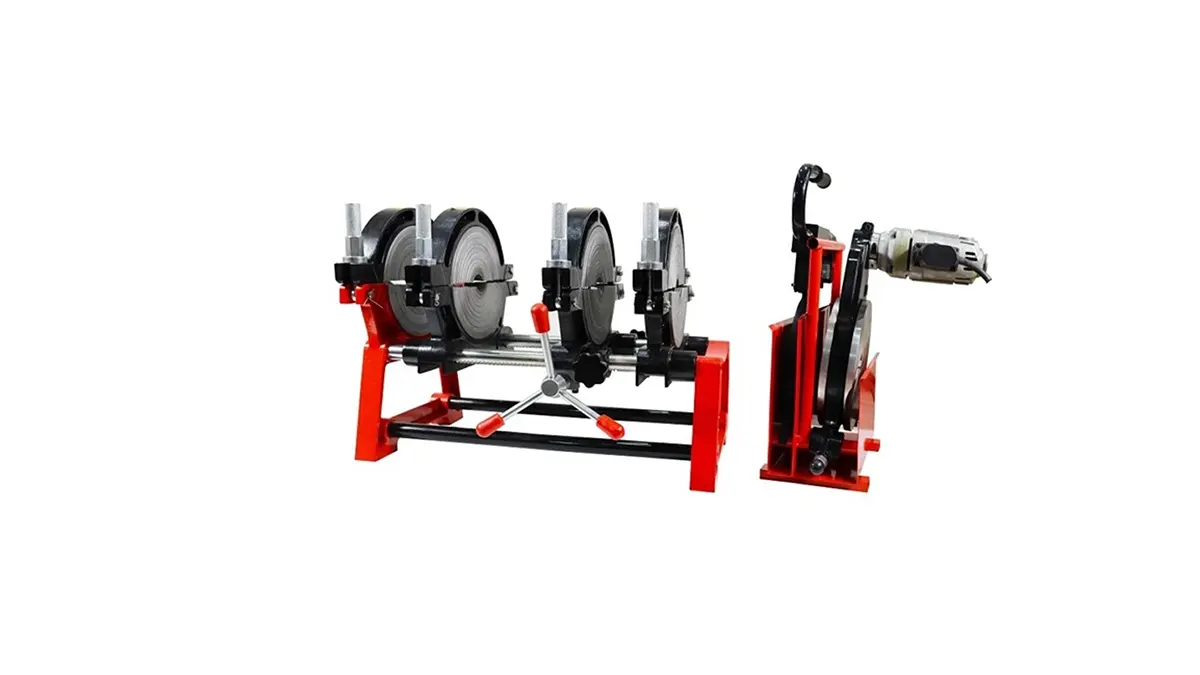
Initial purchase price is only one component. Factor in training, spare parts, downtime costs, and expected weld throughput. A higher-quality hydraulic or automatic unit often reduces rework and lowers total cost per joint over the project’s life.
Recommended supplier profile
Choose a manufacturer with proven HDPE welding experience, a complete product range (manual, hydraulic, CNC automatic), rigorous quality control, and the flexibility to supply spares and training for Thailand projects. JQ-Fusion (https://jq-fusionwelding.com/) is a professional manufacturer of HDPE pipe welding machines offering a wide range of butt fusion solutions for global infrastructure projects.
Final selection tips
Site-test any shortlisted machine under representative Thai conditions, seek local user feedback, and negotiate clear service SLAs and spare-part commitments before purchase. This approach ensures reliable pipeline performance and better ROI for your Thailand projects.



