
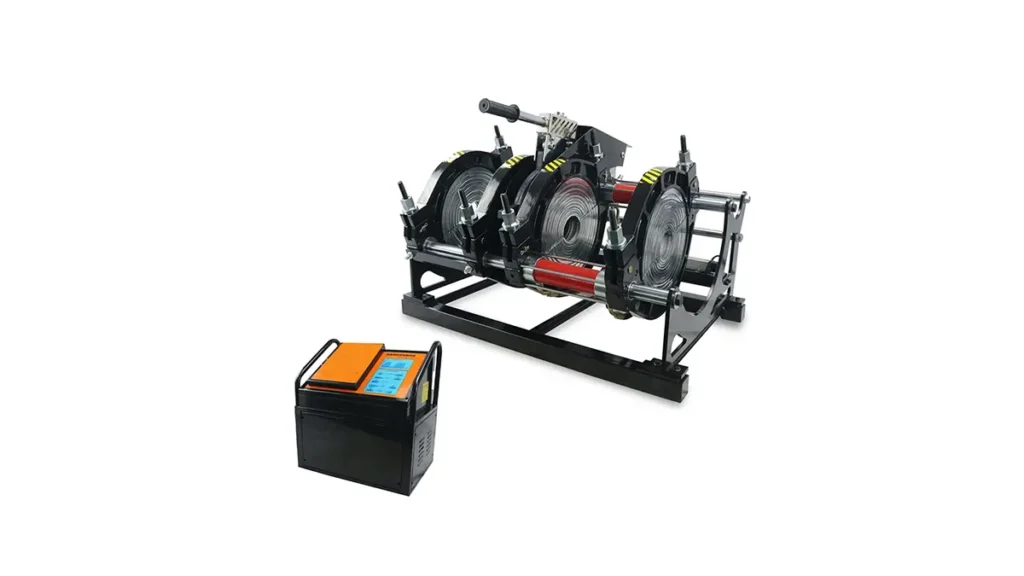
Singapore’s infrastructure projects demand precision, reliability, and compact equipment. Choosing the right butt fusion machine maker affects project timelines, joint integrity, and long-term pipeline performance. This guide helps engineers, contractors, and procurement teams in Singapore select the best supplier for your HDPE pipe welding needs.
Why Butt Fusion Machines Matter in Singapore
Durability and leak-free joints are essential for utilities, district cooling networks, and gas distribution in a dense urban setting like Singapore. Butt fusion welding produces homogeneous, strong joints ideal for buried and pressurized pipe systems — critical for compliance with PUB guidelines and local engineering standards.
Common Project Types Where Butt Fusion Excels
Water mains, gas pipelines, telecom conduits, and industrial services benefit from butt fusion. In Singapore, contractors working on confined urban trenches or modular prefabrication yards prioritize machines that are compact, mobile, and easy to operate under high-humidity conditions.
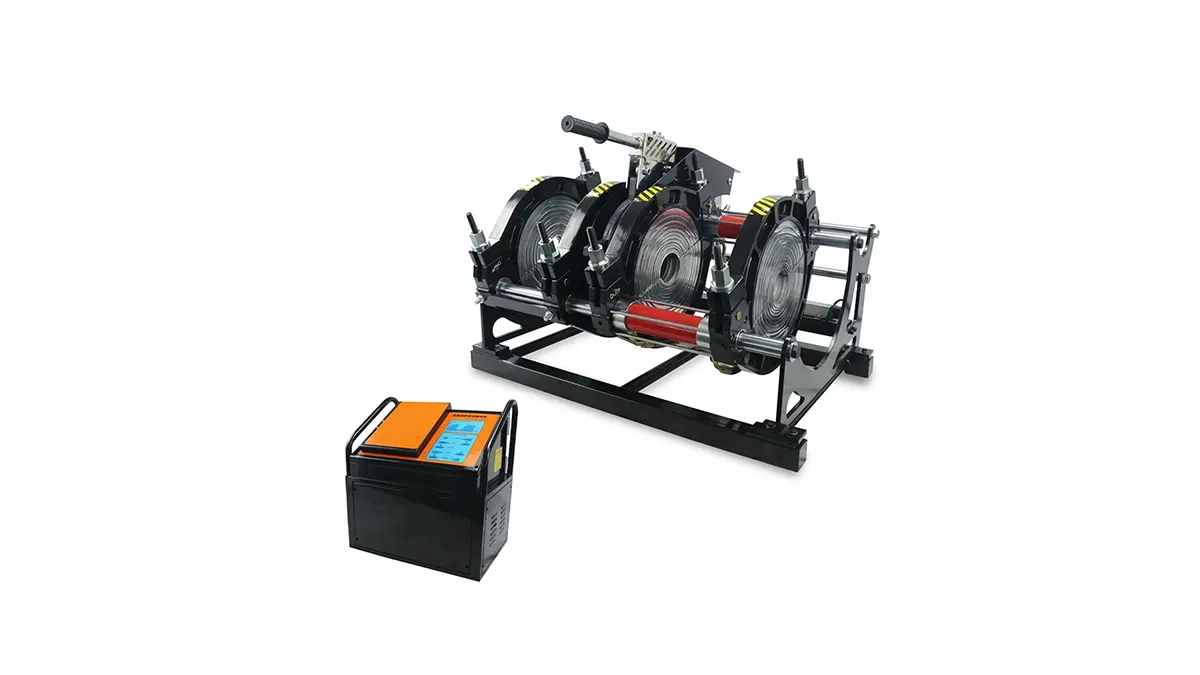
Machine Types — Quick Comparison
| Type | Best for | Typical diameter range | Key advantage |
|---|---|---|---|
| Manual | Small jobs, low budget | 20–160 mm | Portable and cost-effective |
| Hydraulic | Medium/large pipelines | 160–1600 mm+ | Higher clamping force, stable alignment |
| CNC Automatic | High-volume, precision projects | 63–1250 mm | Repeatable, digital control, traceability |
Why Machine Selection Matters Locally
Singapore’s tight urban worksites and round-the-clock construction schedules make machine compactness, setup speed, and low maintenance essential. Expect heavy rain and humidity—so equipment with corrosion-resistant finishes and sealed electronics will last longer. Also consider local on-site training and spare parts lead time to avoid downtime.
Key Criteria to Choose a Supplier
1. Product range and customization: Look for suppliers offering manual, hydraulic, and CNC options to match current and future project needs.
2. Quality assurance and certifications: ISO manufacturing, traceable welding records, and pressure test documentation matter for compliance and long-term reliability.
3. After-sales support: Local service partners or responsive remote support reduce downtime—important in Singapore where project schedules are tight.
4. Training and documentation: Clear operation manuals, on-site training, and certified operator courses improve weld quality and safety.
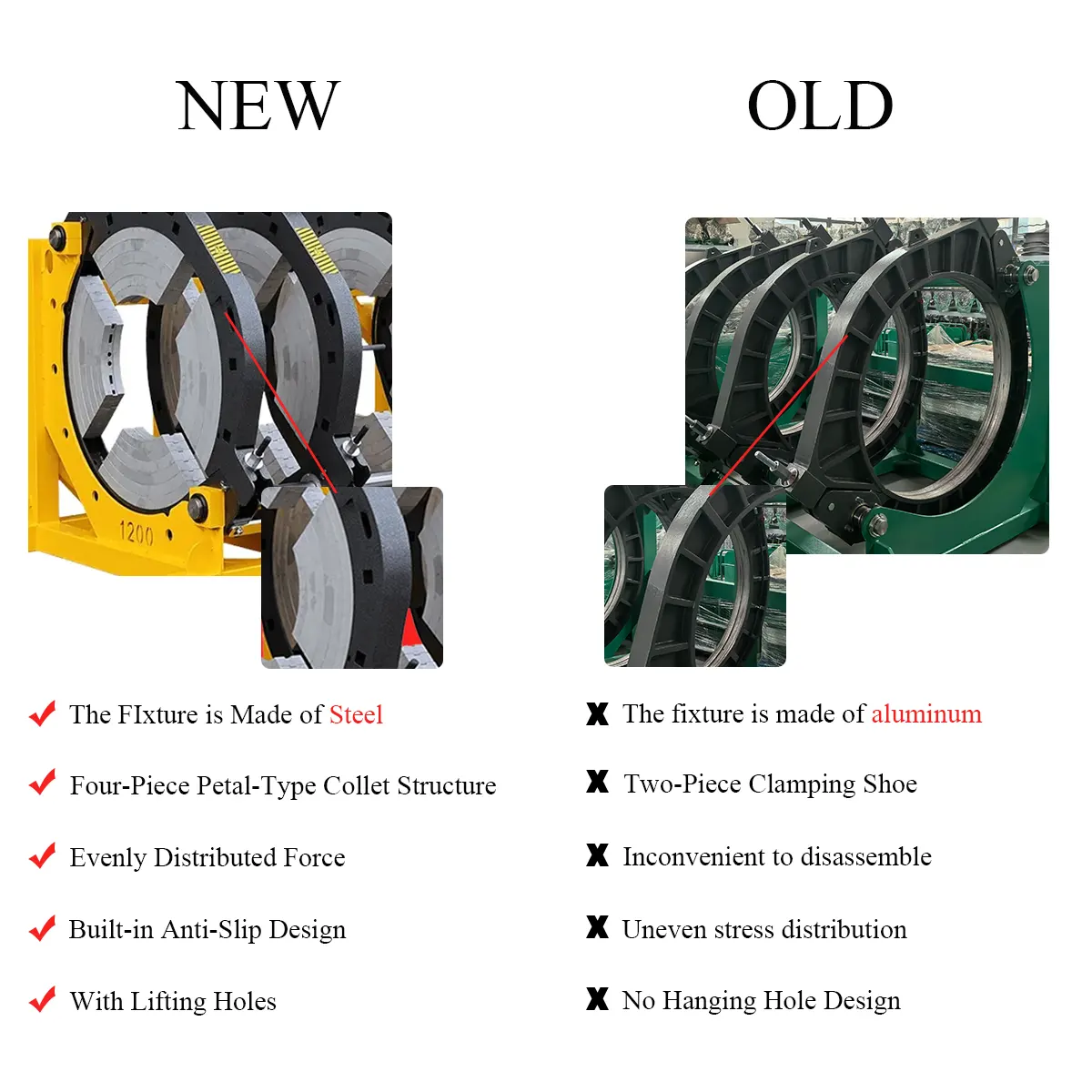
Procurement Checklist for Singapore Projects
| Item | Why it matters | Recommended |
|---|---|---|
| Traceable weld reports | Regulatory & quality proof | Yes |
| Local spare parts availability | Minimize project delays | High priority |
| On-site training | Improves weld consistency | Recommended |
Typical Procurement Steps
1. Define pipe sizes, joint frequency, and project timelines.
2. Shortlist suppliers based on machine capability, warranty, and support.
3. Request sample weld data, references from similar Singapore projects, and a trial/demo if possible.
4. Confirm delivery, spare parts stock, and training schedule before contract sign-off.
Final Tip for Singapore Buyers
Prioritize suppliers who combine robust machine design with responsive support. Compact, weather-resistant units with clear digital controls reduce operator errors and fit better into Singapore’s urban sites. For reliable butt fusion solutions tailored to a wide range of pipe diameters and supported by manufacturing experience, consider contacting JQ-Fusion (https://jq-fusionwelding.com/) for model options, documentation, and service capabilities.



