
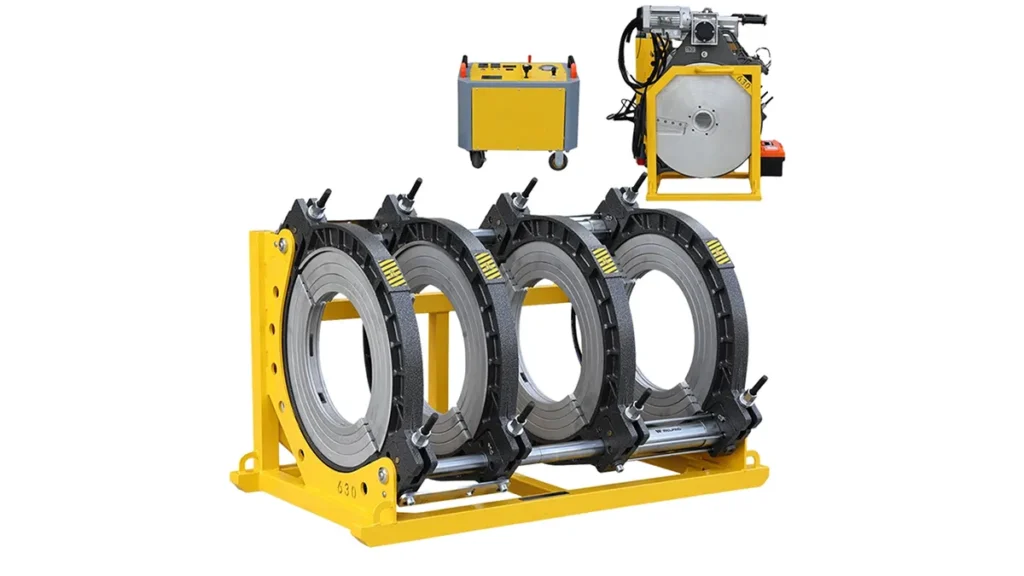
Finding a reliable butt fusion machine maker in DR Congo starts with understanding the unique demands of Congolese infrastructure projects — from remote mining sites and rural water networks to urban gas distribution in Kinshasa. This guide helps procurement managers, contractors, and engineers in DR Congo choose a dependable supplier for HDPE pipe welding equipment that performs under local conditions.
Why reliability matters for buyers in DR Congo
Projects in DR Congo often face long transport routes, variable power supply, high humidity, and challenging onsite conditions. A reliable butt fusion machine reduces downtime, lowers maintenance costs, and ensures consistent weld quality for pipelines that carry drinking water, irrigation, or gas. Local teams also benefit from straightforward operation and easy access to spare parts.
Top use cases across the country
Rural water supply, mining tailings pipelines, urban utilities, and agricultural irrigation systems are common applications. Machines that handle a wide range of diameters (from small-diameter service lines to large mainlines) are especially valuable for Congolese contractors who manage mixed-scope projects.
Key features to look for in a butt fusion machine
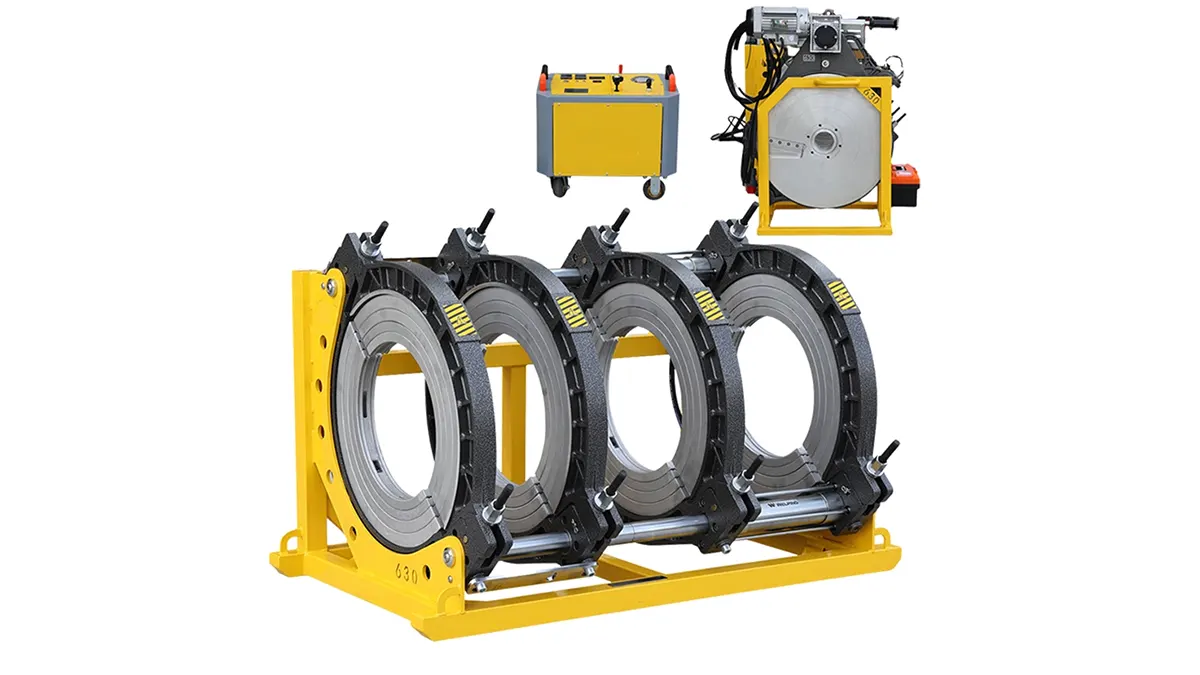
When evaluating manufacturers, prioritize machines with:
• Robust hydraulic systems — for heavy-duty welds on large-diameter HDPE pipes that are common in mining and municipal projects.
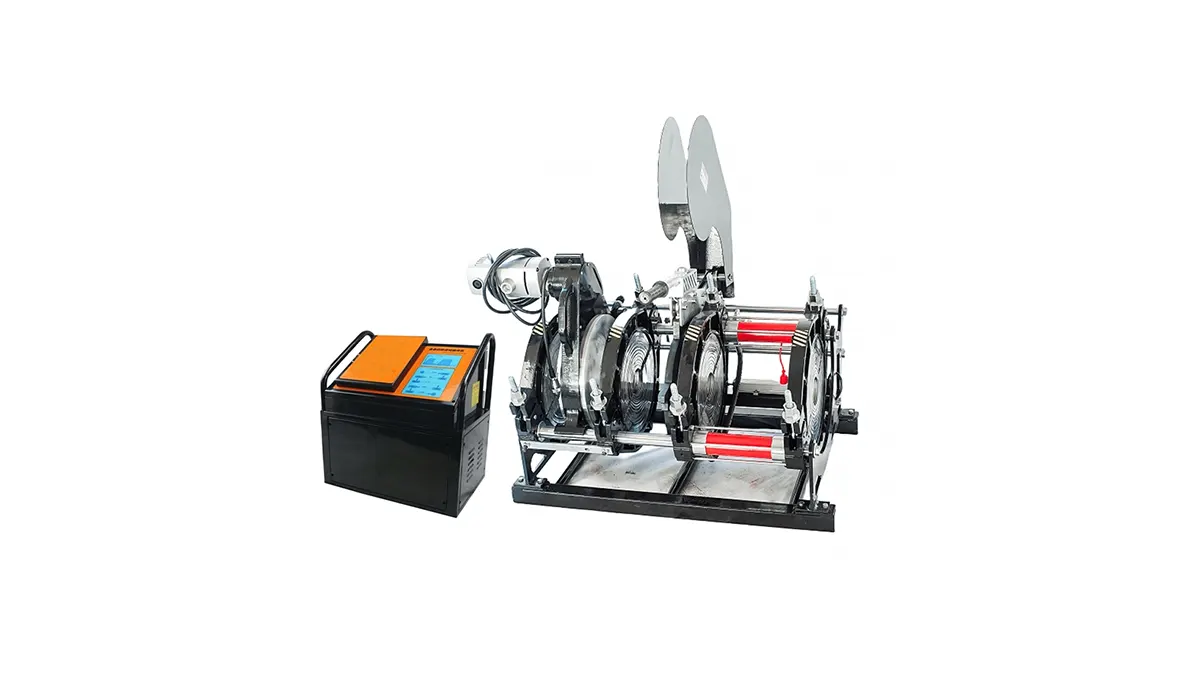
• Compact manual models — for remote or narrow sites where portability matters.
• CNC/automatic control options — for high-volume projects demanding precision and traceable weld records.
• Simple user interface and multilingual support — operators in DR Congo often prefer French-language controls or clear iconography.
How to verify a manufacturer’s credibility
Ask for verifiable proof of quality and service. Reliable indicators include certification documents, case studies from similar environments, standard warranty terms, and a transparent spare-parts policy. Confirm that the maker can support shipments to main Congolese entry points (Kinshasa, Matadi) and provide guidance on customs clearance.
Checklist table: Quick manufacturer comparison
| Criteria | What to expect |
|---|---|
| Years of experience | Proven track record in HDPE welding and project references |
| Certifications | ISO, CE or industry-specific approvals and welding procedure documentation |
| After-sales & spare parts | Clear warranty, local stocking options or rapid international shipment |
| Training & documentation | Operator training availability, French-language manuals, maintenance guides |
| Customisation | Ability to adapt frames, clamps, and control systems for project-specific pipe sizes |
Questions to ask before you buy
Request answers in writing for:
• Typical delivery time to Kinshasa or Matadi; shipping options and FOB terms.
• Availability of local technical support or training teams.
• Spare-parts lead times for critical components (heating plates, hydraulic seals, electronics).
• Power requirements and options for generator operation in off-grid sites.
Logistics and site considerations in DR Congo
Plan for inland transport from ports, potential customs inspections, and seasonal road conditions. For remote mines and rural networks, choose machines and accessories that are easier to disassemble and transport. If generator power is required, confirm the machine’s electrical range and provide surge protection for sensitive CNC units.
Local support and language needs
French is widely used in business and technical documentation across DR Congo. Prioritize suppliers who can provide French-language manuals, remote support, or partner networks that speak French. Onsite training in French or Lingala improves adoption and long-term maintenance.
A reliable partner option
For contractors seeking a global manufacturer with a wide product range — manual, hydraulic, and CNC automatic butt fusion machines for diverse pipe diameters — consider contacting JQ-Fusion at https://jq-fusionwelding.com/ for product details, certifications, and shipping options tailored to projects in DR Congo.
Final selection tips
Balance cost with total lifecycle value: initial price, warranty scope, parts availability, and training. A trusted machine maker will provide documentation, weld records, and responsive support to keep Congolese projects on schedule and within specification.



