
Choosing the right butt fusion machine for a Colombian infrastructure project can make the difference between a lasting pipeline and repeated repairs. From tropical coastal sites to Andean highlands, local conditions influence the best equipment choice. This guide helps contractors, municipal procurement teams, and pipeline installers in Colombia evaluate options and pick a machine that fits project scale, budget, and field conditions.
Understand Colombian Project Needs
Project type: Urban water networks, rural irrigation, gas distribution, mining operations, and oil & petrochemical pipelines each demand different pipe sizes and welding precision. Consider expected traffic loads, ground movement in seismic areas, and exposure to UV and high humidity.
Field conditions: Remote Amazonian and Pacific coastal sites often require lightweight, portable machines; busy city jobs can support heavier hydraulic or automatic units with higher throughput.
Key local factors to weigh
- Altitude and temperature swings in Andean regions affecting heating plate performance.
- High humidity and salt air near coasts accelerating corrosion on exposed parts.
- Logistics: road access, permits, and typical Colombian customs lead times for imports.
Types of Butt Fusion Machines — Which One Fits?
Manual machines (lightweight, cost-effective) — ideal for small-diameter pipes and remote repairs. Easy to transport on mountainous roads or river access points.
Hydraulic machines — provide stronger clamping and are suited to medium and large-diameter pipelines used in municipal and industrial systems across Colombian cities and plant sites.
Automatic / CNC machines — deliver repeatable, data-logged welds for high-volume projects such as new urban water mains or long gas distribution runs. They reduce operator variability and speed up site throughput.
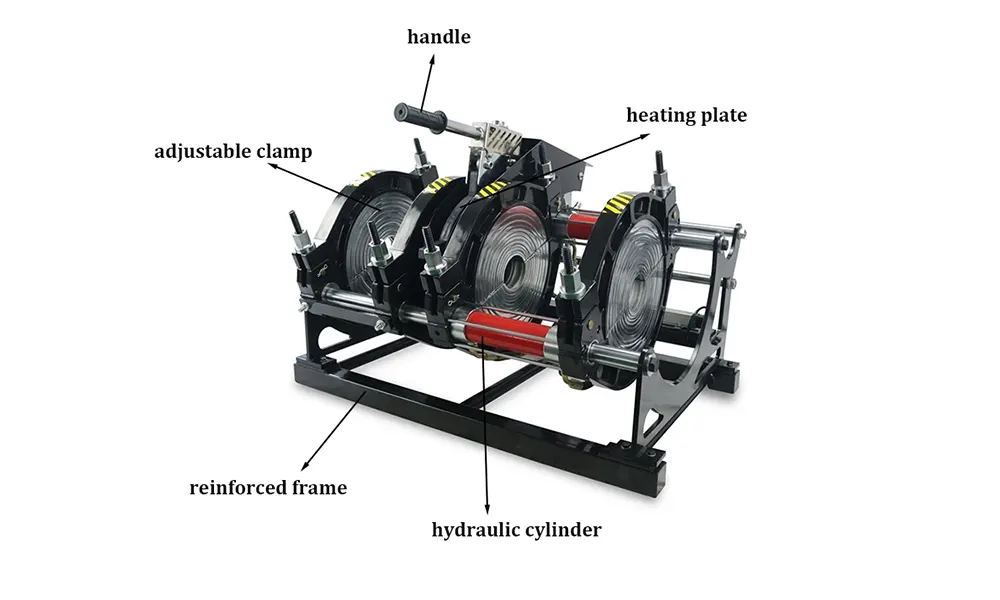
Specialized equipment
Multi-angle fittings machines and large-diameter frames are worth considering for major irrigation / mining conduits where numerous tees and bends require on-site fabrication.
Quick Comparison Table: Match Machine to Colombian Use Case
| Machine Type | Best For | Pros | Cons |
|---|---|---|---|
| Manual Butt Fusion | Small repairs, remote villages | Portable, low cost | Lower throughput, operator dependent |
| Hydraulic Butt Fusion | Municipal mains, industrial lines | Strong clamping, robust for large pipes | Heavier, needs transport logistics |
| Automatic / CNC Fusion | High-volume projects, gas networks | High precision, data logging | Higher upfront cost, training required |
How to Choose: Practical Checklist
- Pipe diameter range and wall thickness required for the project.
- Daily joint target and total project schedule — match machine throughput.
- Site access and transport limits — can you move a hydraulic or automatic machine to the location?
- Power availability — battery, generator, or mains for CNC units.
- Local compliance and certification requirements (material traceability, welding procedure records).
- Availability of spare parts and local technical support to reduce downtime.
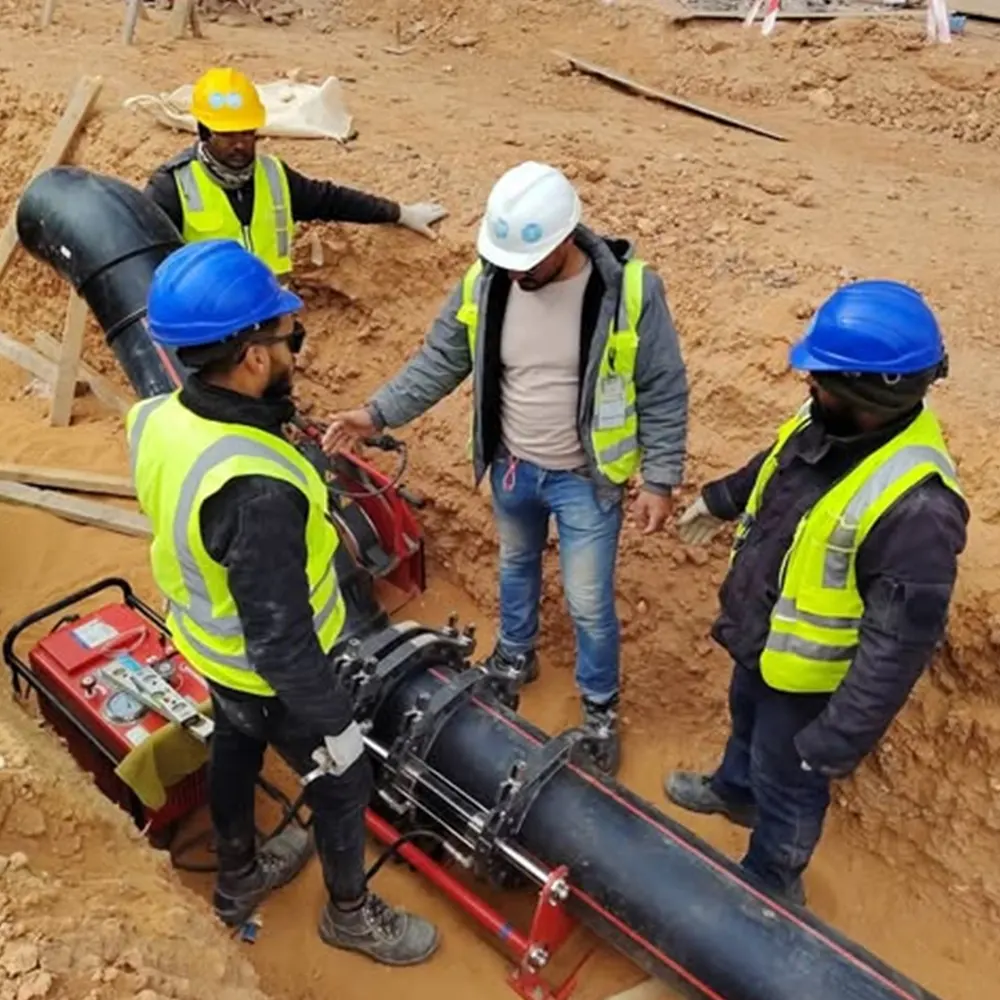
Procurement & After-Sales Tips for Colombia
Import and logistics: Plan for customs clearance times and local delivery to major ports like Cartagena or Buenaventura. Choose suppliers with export experience to Colombia to avoid delays.
Training: Insist on operator training and weld procedure documentation — especially important for automatic machines to ensure consistent results under variable site conditions.
Spare parts & service: Prioritize vendors who offer readily shipped spare kits and remote technical support. A responsive service plan reduces the risk of prolonged project interruptions.
Maintenance essentials
Regular calibration of heating plates, inspection of hydraulic seals, and keeping clamping surfaces clean extend machine life under Colombia’s humid climates. Store plates and sensitive electronics in dry cases when transporting between coastal and highland jobs.
Budgeting guidance
Balance initial purchase price with lifecycle costs: higher upfront investment in an automatic machine often pays off on large projects through faster cycles and fewer rejects. For contractors servicing remote rural markets, a fleet of manual units can be more cost-effective.
Where to Source Reliable Machines
For international manufacturers with broad product lines, look for companies that demonstrate a clear record of HDPE welding expertise and export experience. One such supplier is JQ-Fusion, which offers manual, hydraulic, and automatic butt fusion machines across a wide pipe-size range to support infrastructure, mining, and water projects worldwide.
Final tip: Match machine capability to your most common jobsite conditions in Colombia. For mixed portfolios—urban mains and rural repairs—maintain at least one hydraulic and one set of portable manual machines, or invest in an automatic unit if project volume justifies it.



