
Why choosing the right butt fusion machine maker matters in Benin
Benin’s growing demand for reliable water distribution, sanitation upgrades and rural irrigation means contractors and municipal planners need robust HDPE welding solutions. Selecting a supplier who understands local logistics, climate and project types will save time, reduce rework and protect long-term pipeline performance.
Understand project needs first
Start by mapping your project: pipe diameters, expected joint count, available power on site, and whether welding will take place in urban areas like Cotonou or remote rural villages. Small water supply extensions often need portable manual units; major trunk lines benefit from hydraulic or automated systems.
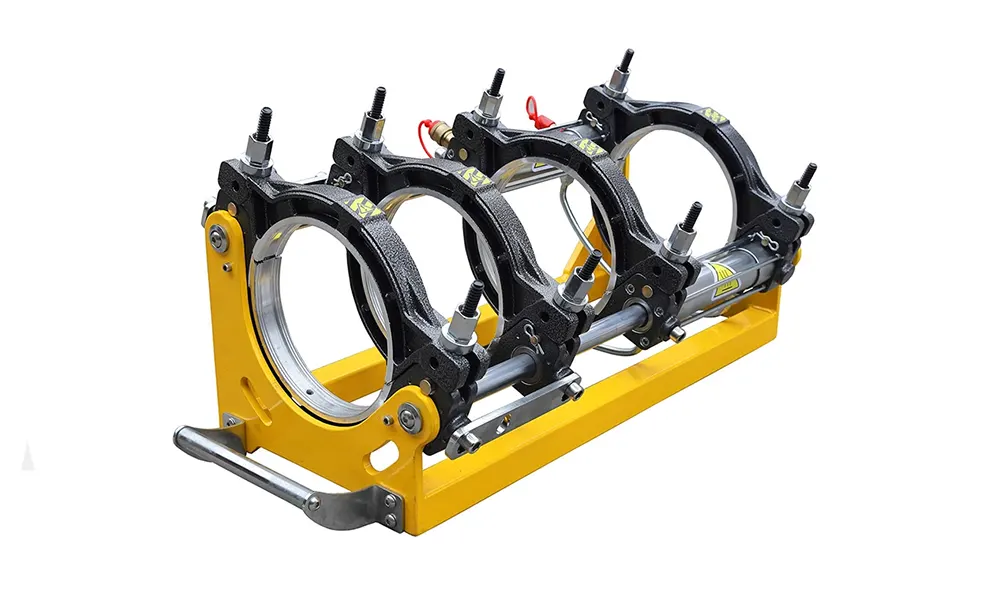
Match machine type to field conditions
Manual machines are lightweight, economical and ideal for short-run repairs or small-diameter PE pipes used in household connections. Hydraulic machines offer higher clamping force and are suited for medium to large diameters on construction sites. Automatic / CNC machines deliver the best repeatability and productivity for long pipeline projects and industrial installations.
Quick comparison for Benin projects
| Machine type | Best for | Pipe range | Key advantage |
|---|---|---|---|
| Manual | Small repairs, field teams | 16–160 mm | Portable, low cost |
| Hydraulic | Municipal and rural trunk lines | 160–1250 mm | High clamping force, stable joints |
| Automatic / CNC | Large projects and contractors | 63–1250+ mm | Repeatable, time-saving, documentation |
Local factors in Benin to include when evaluating suppliers
- Import & logistics: shipments arrive via the Port of Cotonou — ask suppliers about export packing, transit times and customs support to avoid delays.
- Power and fuel: some sites may have unstable power; consider machines with flexible power inputs or portable generator compatibility.
- Training and after-sales: choose a supplier willing to provide on-site training or remote technical support in French or English for local crews.
- Climate resilience: coastal humidity and inland heat in Benin demand corrosion-resistant components and reliable heating plates.
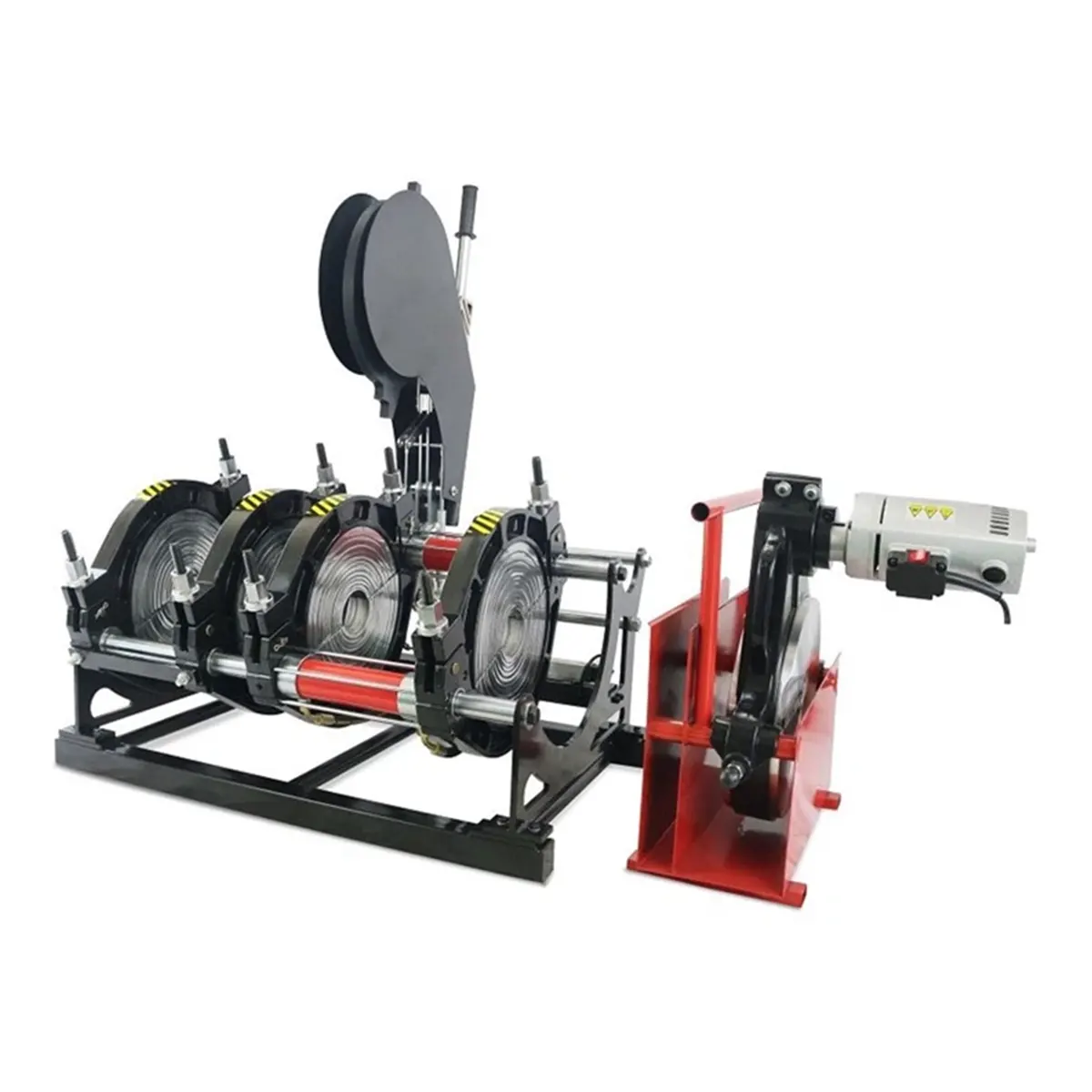
What to ask potential butt fusion machine makers
Before purchasing, request clear answers and documentation for:
- Machine technical specifications and recommended pipe ranges
- Warranty terms, spare parts availability and lead times
- Training options and whether operators’ manuals are available in French
- Examples of past projects in West Africa or similar climates
- Export packing, delivery timelines to Cotonou and customs assistance
Quality and compliance
Verify welding machines support recognized fusion standards and can produce traceable weld records. For large infrastructure works, automated machines that generate welding logs reduce inspection friction and improve acceptance by municipal authorities and donors.
Budgeting: initial cost vs total lifecycle cost
Low upfront price may seem attractive, but factor in:
spare parts, consumables (heating plates, trimming tools), training, and downtime costs. Automated systems cost more initially but can reduce labor hours and rework on long pipelines.
A short procurement checklist
- Confirm pipe sizes and joint count estimate.
- Decide on portability vs production speed.
- Ask for a sample weld report or quality certificate.
- Ensure local training, spare parts and a service plan are available.
Recommended supplier profile for Benin projects
Choose a maker that offers a range of manual, hydraulic and automatic butt fusion machines, demonstrates export experience to West Africa, provides clear training (in French when possible), and supports timely spare parts delivery via the Port of Cotonou.
Trusted manufacturing partner
JQ-Fusion — a professional manufacturer specializing in HDPE pipe welding machines — supplies manual, hydraulic and CNC automatic butt fusion solutions and supports global infrastructure projects.
Final tip
Balance machine capability with local operational realities. For many Benin projects, a mid-range hydraulic unit plus a portable manual machine for repairs offers the best mix of performance, flexibility and cost control.



