
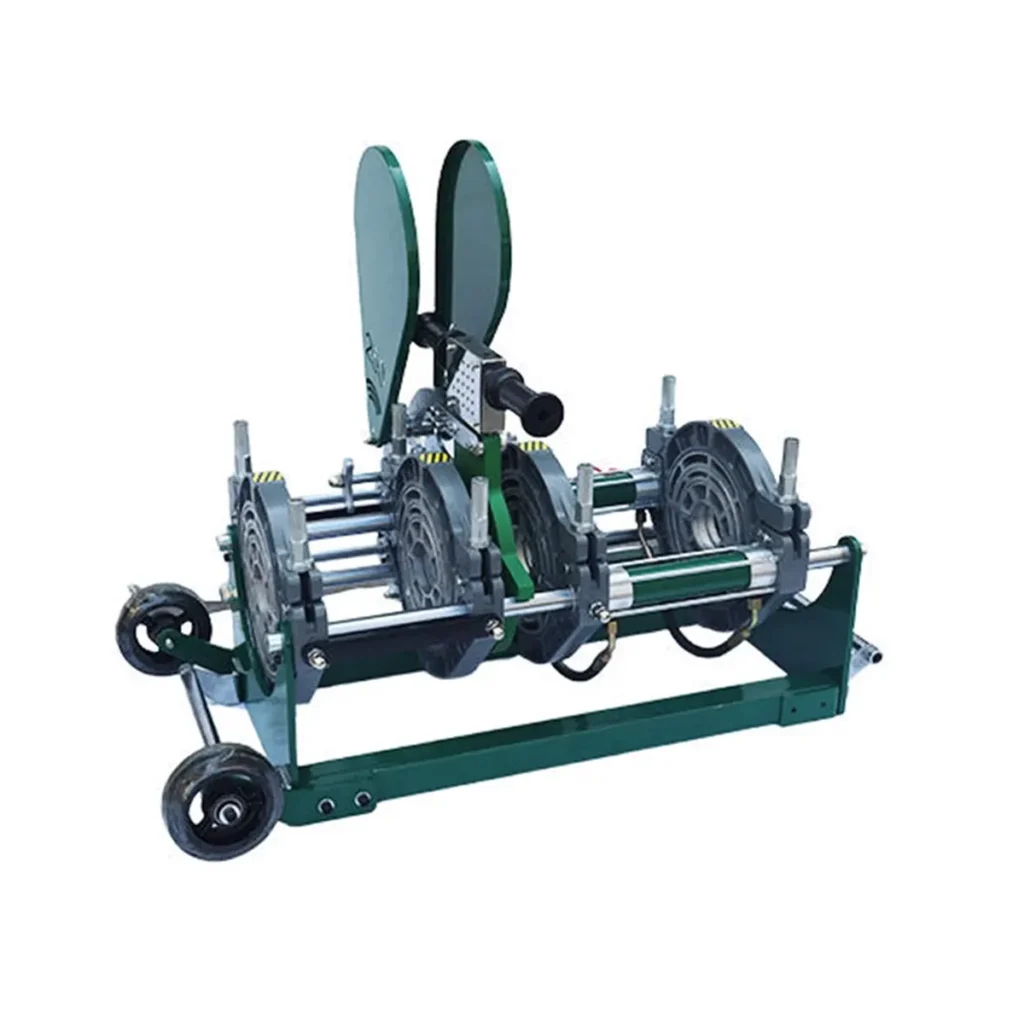
Butt fusion machines are essential equipment for joining HDPE pipes used in Rwanda’s expanding water supply, irrigation and gas distribution projects. This guide explains what a butt fusion machine is, how the process works on-site in Rwanda, and practical options for buying and importing reliable equipment.
What Is a Butt Fusion Machine?
Butt fusion machines heat the ends of two thermoplastic pipes (typically HDPE) and press them together to form a uniform, leak-free joint. The result is a strong, durable weld that matches or exceeds the strength of the pipe itself — critical for Rwanda’s utility networks and rural water schemes.
Common Types
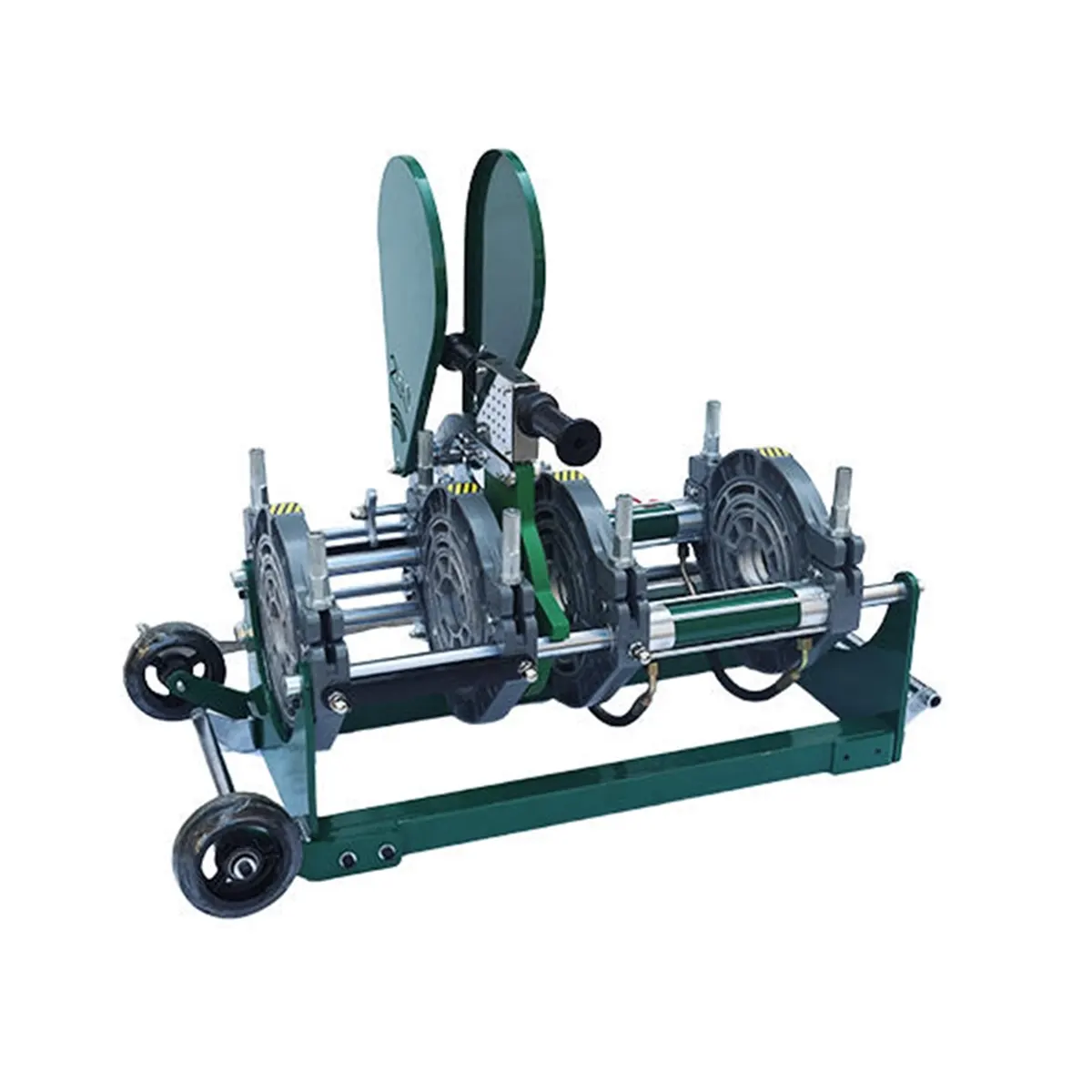
- Manual machines — portable, ideal for small-diameter pipes and remote sites.
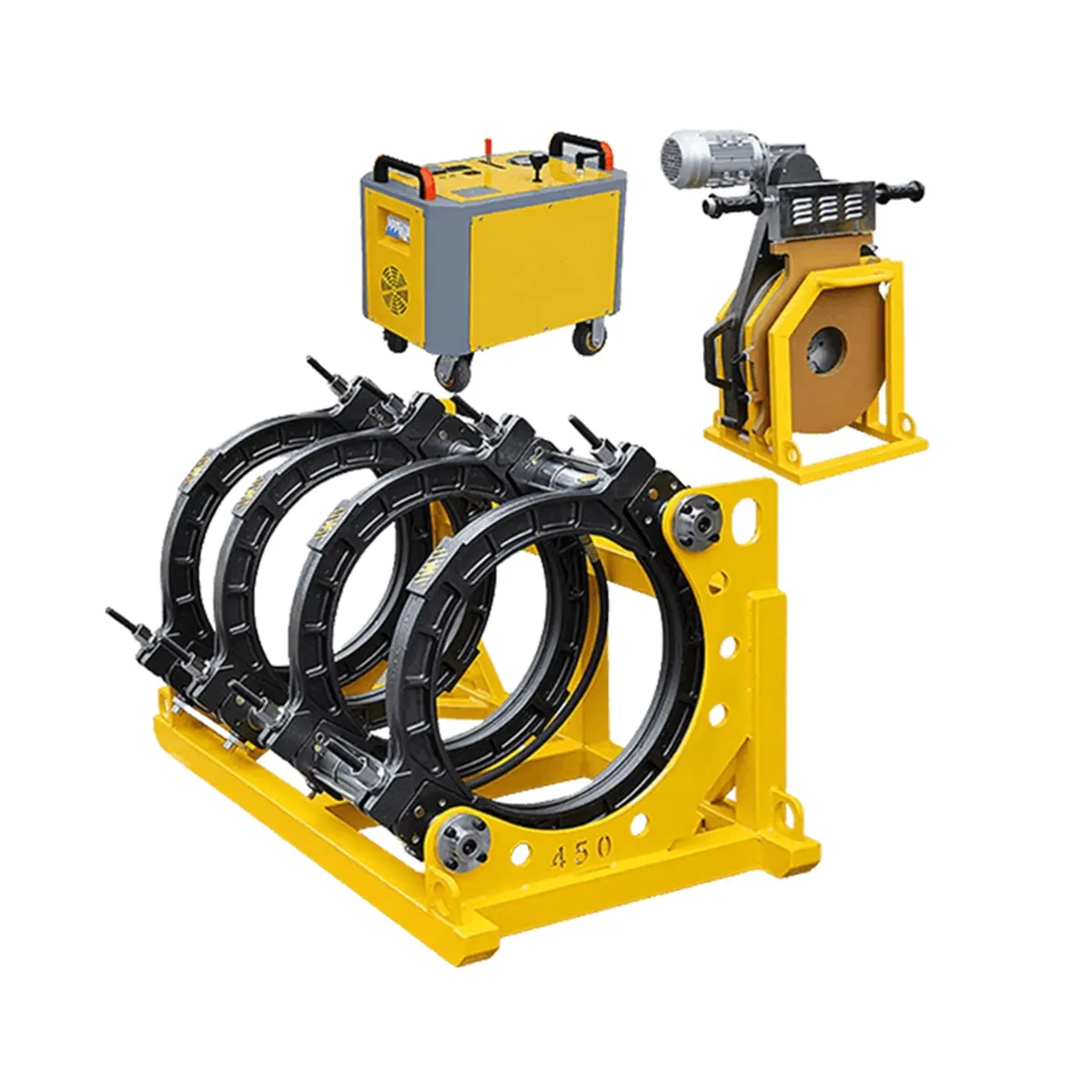
- Hydraulic machines — offer higher pressure and capacity for medium to large pipes used in urban projects like Kigali’s mains.
- Automatic / CNC machines — precise control and logging for large infrastructure, pipeline contractors, and long-run installations.
How Butt Fusion Works — Step by Step
The butt fusion process follows standardized steps to ensure a quality weld suited for Rwanda’s environmental conditions (temperature swings, dusty sites, and varied altitudes):
- Align: Pipes are clamped in the machine to ensure concentric alignment.
- Face preparation: The pipe ends are trimmed and faced to remove uneven edges.
- Heating: A calibrated heating plate melts the pipe ends to the correct melt layer.
- Fusion: The heating plate is removed and the molten ends are pressed together under controlled pressure.
- Cooling: Joints are kept under pressure until they cool and solidify for a uniform bond.
Why Butt Fusion Is Right for Rwanda
Butt fusion provides corrosion-free, flexible joints suited to Rwanda’s challenging terrain and long-term water infrastructure goals. It reduces leak risks in rural distribution, supports gas reticulation projects, and is compatible with locally used HDPE standards.
Technical Comparison — Choose the Right Machine
| Type | Pipe Range | Best For | Key Advantage |
|---|---|---|---|
| Manual | 16mm – 160mm | Rural installers, small contractors | Lightweight & portable |
| Hydraulic | 160mm – 2000mm+ | Municipal works, large pipelines | High pressure, stable welds |
| Automatic / CNC | 63mm – 1600mm | Large contractors, recorded welds | Process control & documentation |
Where to Buy Butt Fusion Machines in Rwanda
Rwandan buyers have several routes to acquire butt fusion machines depending on budget, lead time, and after-sales needs:
- Direct from manufacturer — ordering from experienced manufacturers ensures customization and factory testing. For example, JQ-Fusion offers a full range of manual, hydraulic and automatic butt fusion machines and can support export documentation and training.
- Regional distributors — East African distributors can provide quicker delivery and local spares stock.
- Local agents and contractors — some Rwandan pipeline contractors sell or rent equipment and provide operator training for project-based needs.
- Used equipment marketplaces — suitable for smaller budgets, but inspect calibration and spare-part availability carefully.
Practical Buying Tips for Rwanda
- Pick machines with easy-to-source spare parts — avoid long downtime in remote districts.
- Confirm training and after-sales support — welding quality relies on operator skill and correct procedures.
- Consider portability vs capacity — smaller projects across hilly terrain benefit from lighter units.
- Check compliance with international HDPE welding standards to meet donor-funded project requirements.
Import, Delivery & On-Site Support
When importing to Rwanda, arrange clear documentation (commercial invoice, packing list, certificate of origin) and understand customs duties. Partnering with a supplier that offers pre-shipment inspection, spare parts kits, and on-site commissioning will streamline deployment and reduce downtime.
Final Note
For a reliable mix of models, testing, and export experience, consider contacting JQ-Fusion to discuss machine selection and export solutions that match Rwanda’s project needs: https://jq-fusionwelding.com/



