
Choosing the right butt fusion machine for HDPE pipe welding in Qatar requires balancing climatic, logistical, and project-specific needs. This guide helps contractors, municipal teams, and EPC companies in Qatar pick the best solution for water, gas, and industrial pipeline projects.
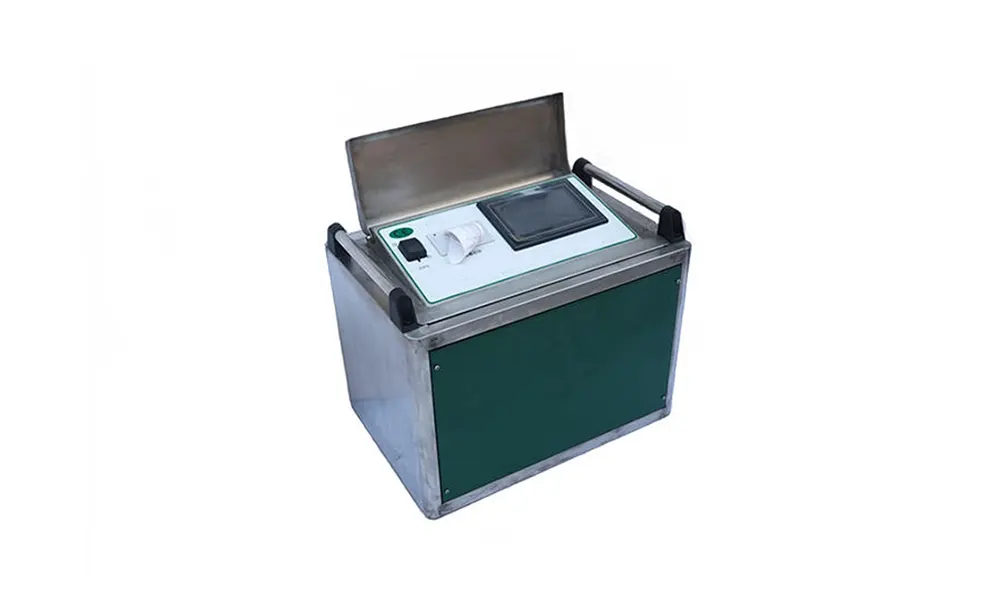
Why Butt Fusion Machines Matter in Qatar
HDPE pipelines are widely used across Qatar for potable water networks, irrigation, oilfield applications, and gas distribution thanks to their corrosion resistance and long service life. The right butt fusion machine ensures reliable joints under high temperatures, sandy environments, and demanding site conditions common in Qatar.
Qatar-specific considerations
High ambient temperatures and dusty, coastal atmospheres make machine cooling, sealing quality, and corrosion-resistant components especially important. Logistics and import procedures for heavy machines should also be planned early because of customs and port handling at Hamad Port.
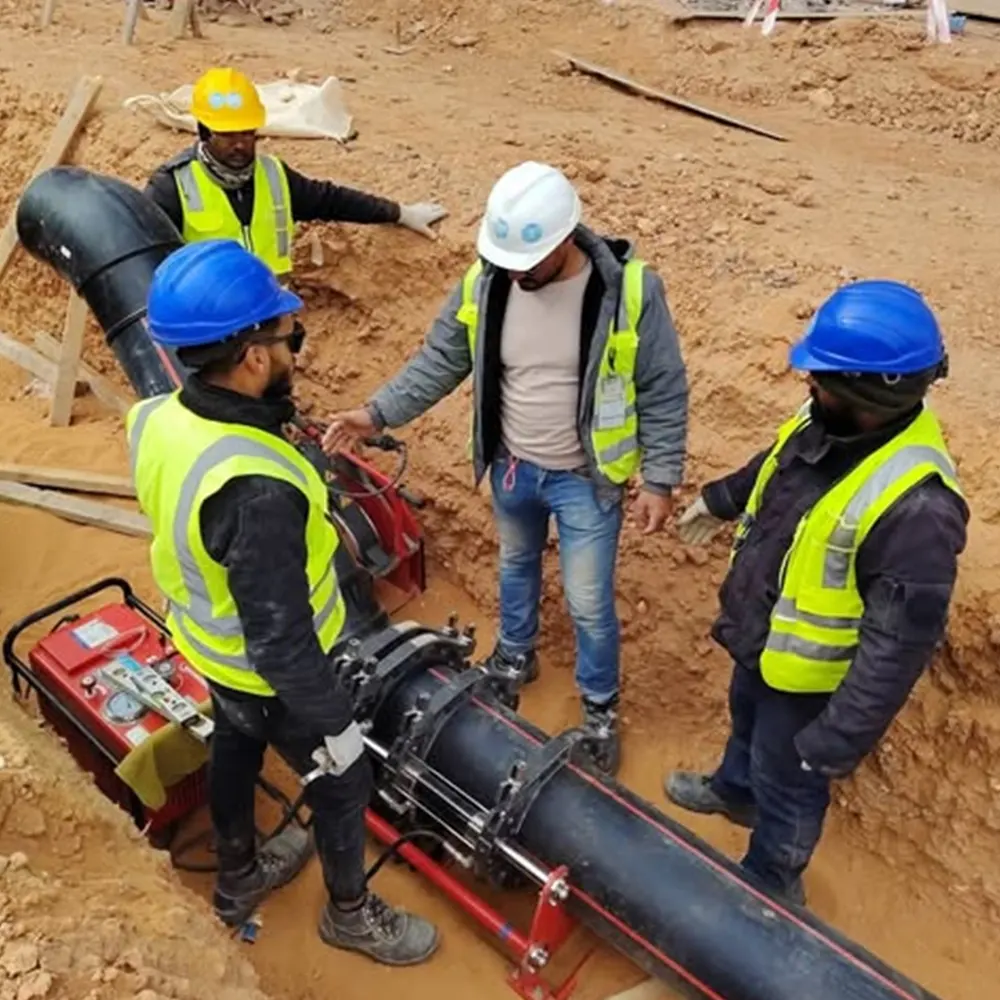
Key Factors to Consider Before Buying
1. Pipe diameter range and capacity
Choose a machine rated for the full range of pipe sizes in your project. For municipal networks (typically 20–630mm) a compact hydraulic or automatic unit may suffice; large-diameter trunk mains (630mm–2000mm+) need heavy-duty hydraulic or CNC-controlled machines.
2. Level of automation
Manual machines suit low-volume work and remote sites. Hydraulic machines offer higher throughput and repeatability. Automatic / CNC models deliver the best consistency and traceability for large projects and regulatory compliance.
3. Power supply & environment
Confirm available site power (220/380V, single/three-phase) and consider options with fuel-powered generators for remote desert sites. Look for sealed electrical cabinets and components rated for dusty, high-humidity coastal conditions.
4. Portability & site access
Smaller manual units are easy to move between sites; large hydraulic/CNC machines may require cranes or trucks for placement. Factor in installation time and on-site space constraints common in urban Qatar.
5. Standards, QA & certifications
Ensure machines support standards and procedures you follow (ISO/ASTM/DIN-based fusion parameters) and provide weld data logging where project QA demands traceability.
6. After-sales service & spare parts
Local support or fast international shipping for critical spare parts is essential. Training for Qatari workforce and site operators reduces rework and improves safety.
Quick Comparison: Manual vs Hydraulic vs Automatic
| Type | Best for | Throughput | Typical Cost |
|---|---|---|---|
| Manual | Small jobs, tight budgets | Low | Low |
| Hydraulic | Medium-to-large municipal & industrial | Medium | Medium |
| Automatic / CNC | High-volume, long-term projects | High | Higher |
How to Match Machine Features to Your Qatar Project
- For urban water networks: Prioritize portability, fast cycle times, and data logging for QA.
- For gas distribution: Choose machines that support exact fusion parameters and certified procedures.
- For oilfield or industrial pipelines: Heavy-duty hydraulic or CNC units with large-diameter capability and rugged frames are preferred.
- For seasonal work: Consider renting or leasing to optimize cost-effectiveness.
Purchase & Support Checklist
- Confirm rated pipe diameter and pressure class.
- Verify site power and transport logistics to Hamad Port or job site.
- Ask for weld procedure specifications and sample weld records.
- Check availability of spare parts, training options, and warranty.
- Ensure machine components are corrosion-resistant and sealed for Qatar’s climate.
Selecting a Reliable Supplier
Look for manufacturers with proven HDPE welding experience, a clear product range from manual to CNC automatic units, and a responsive service team. JQ-Fusion offers a wide selection of butt fusion solutions and global project experience to support Qatar infrastructure needs.
Next steps
Measure your typical pipe sizes and daily weld targets, prepare a simple site checklist (power, lifting, space), and request machine demos or detailed technical data sheets from suppliers. Proper upfront selection and operator training reduce rework and ensure long-term pipeline performance in Qatar’s demanding environment.



