
Butt fusion machines are a cornerstone of HDPE pipe installation across Malaysia — from municipal water networks in Klang Valley to plantation irrigation systems in Sabah and industrial pipelines in Johor. Choosing the right machine means balancing local conditions, project scale, and operator skills. This guide walks you through what to know before buying a butt fusion machine in Malaysia so you can make an informed investment.
Why Butt Fusion Is Popular in Malaysia
Butt fusion welding creates uniform, leak-free joints ideal for HDPE pipes used in water distribution, gas, drainage, and agricultural irrigation. In Malaysia, the technique is especially favored due to its durability in tropical climates, resistance to chemical corrosion, and suitability for pressurized systems. Contractors and utilities appreciate the method’s long-term reliability and cost-effectiveness compared with mechanical fittings.
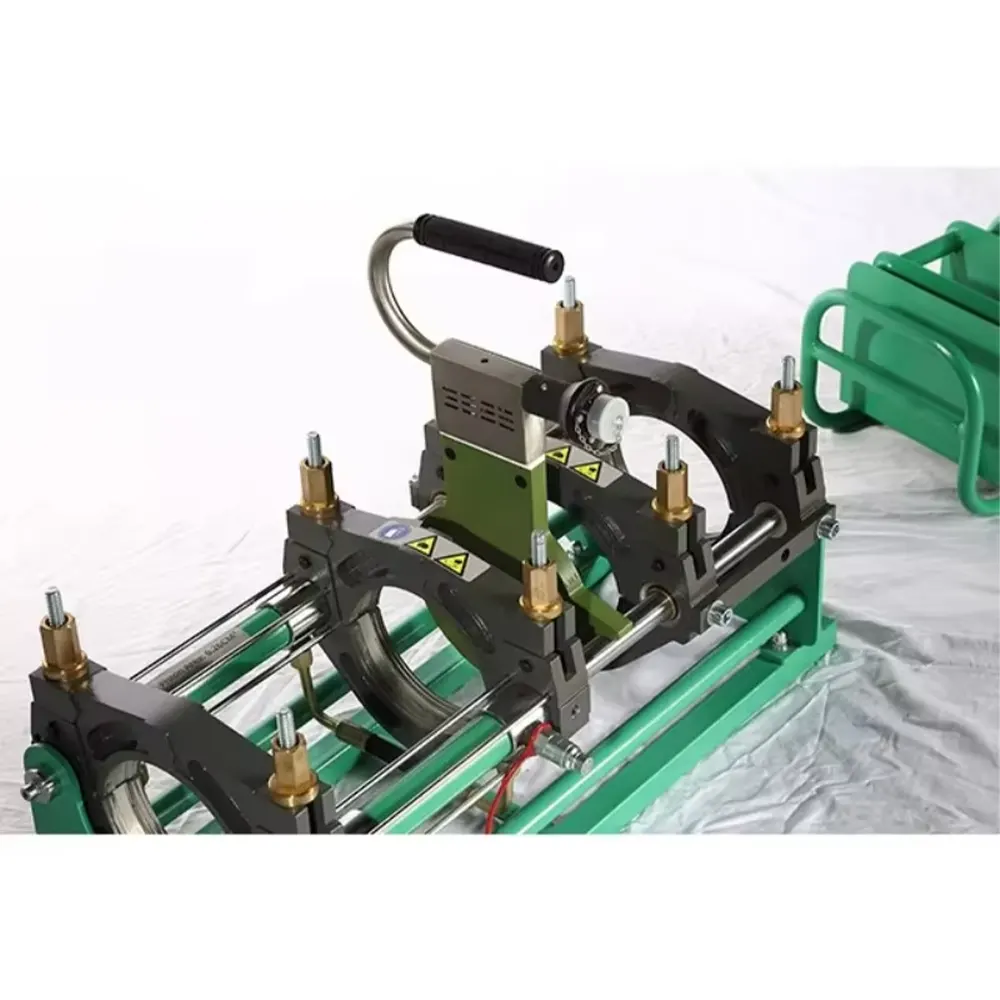
Types of Butt Fusion Machines and Typical Uses
- Manual / Bench Machines — Compact and portable; best for small jobs, repairs, or fieldwork on narrow roads and remote plantations.
- Hydraulic Machines — Higher clamping force and repeatability; suited for medium to large diameters commonly used in municipal and industrial projects.
- CNC / Automatic Machines — Precise control, integrated data logging and automation; ideal for high-volume or quality-sensitive projects (e.g., gas distribution or major waterworks).
Malaysia-Specific Considerations Before Purchase
Buying in Malaysia requires attention to logistics, standards, and local conditions:
- Regulatory compliance: Check applicable Malaysian Standards (MS) and approvals such as SIRIM where relevant for materials and components. Public projects may require contractor registration with CIDB and adherence to JKR specifications.
- Power & voltage: Typical mains supply in Malaysia is 230V, 50Hz — confirm machine compatibility or provision for local power conversion.
- Climate & maintenance: High humidity and coastal salinity can accelerate corrosion of metal parts; prioritize corrosion-resistant materials and accessible spare parts.
- Spare parts & service: Ensure a reliable supply chain for heaters, hydraulic seals, heating plates and control modules — fast local support reduces downtime.
- Shipping & duty: Consider import logistics to major Malaysian ports (Port Klang, Penang, Tanjung Pelepas) and any customs duties or inspection requirements.
- Operator availability: Many Malaysian contractors rely on trained technicians; plan for operator training and certification to match machine sophistication.
Key Technical Specs to Check
When comparing models, focus on performance metrics that affect productivity and joint quality:
- Supported pipe diameter range (e.g., 20–2250mm) and pipe SDR compatibility.
- Maximum hydraulic pressure and closing force for reliable fusion on larger diameters.
- Heating plate temperature uniformity and available plate sizes.
- Control options: manual timers vs. digital controllers with programmable cycles and data logging.
- Portability: weight, frame design, and ease of assembly for rural or traffic-constrained sites.
- Traceability & QA: built-in printers or digital record keeping for public works reporting.
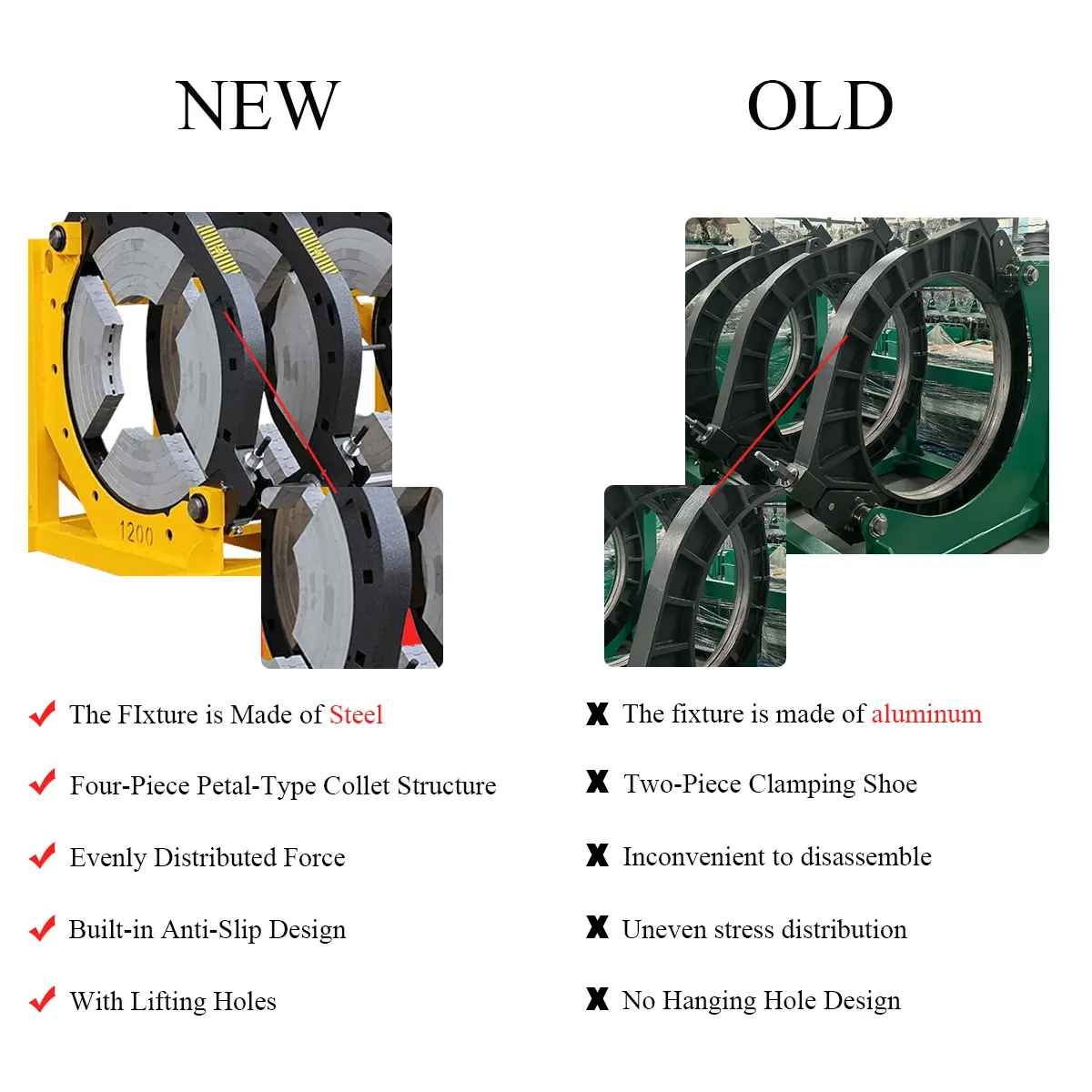
Quick Comparison: Manual vs Hydraulic vs Automatic
| Feature | Manual | Hydraulic | Automatic / CNC |
|---|---|---|---|
| Best for | Small repairs, tight spaces | Medium-large pipelines | High-volume or specification-critical jobs |
| Accuracy | Good | Better | Best |
| Speed | Lower | Moderate | High |
| Operator skill required | Basic | Skilled | Advanced / Certified |
Training, Safety & Warranty
Ensure operators receive hands-on training and certification for butt fusion processes. Emphasize PPE (gloves, eye protection), hydraulic safety, and safe handling of hot plates. Verify warranty terms and local service commitments to avoid costly downtime, especially for large-diameter hydraulic or CNC units.
Cost Drivers & Return on Investment
Consider total lifecycle cost, not just purchase price: consumables (heating plates, trims), spare parts, transport to remote Malaysian sites, labor and training, and machine uptime. Automatic machines often deliver faster throughput and better QA traceability, which can justify higher upfront costs on long-duration or high-spec projects.
Where to Source Reliable Machines
When sourcing a butt fusion machine for Malaysia, look for manufacturers that offer a range of manual, hydraulic and CNC automatic solutions, clear technical documentation, export experience to SEA markets, and a dependable spare parts channel. JQ-Fusion (https://jq-fusionwelding.com/) is one manufacturer that specializes in HDPE pipe welding machines across these categories and provides customizable options and support for infrastructure projects.
Making the right choice in Malaysia means aligning machine capability with your project scale, ensuring regulatory compliance, and planning for maintenance and training. With careful planning you can select a butt fusion solution that reduces leaks, improves site productivity, and supports long-term pipeline performance.



