
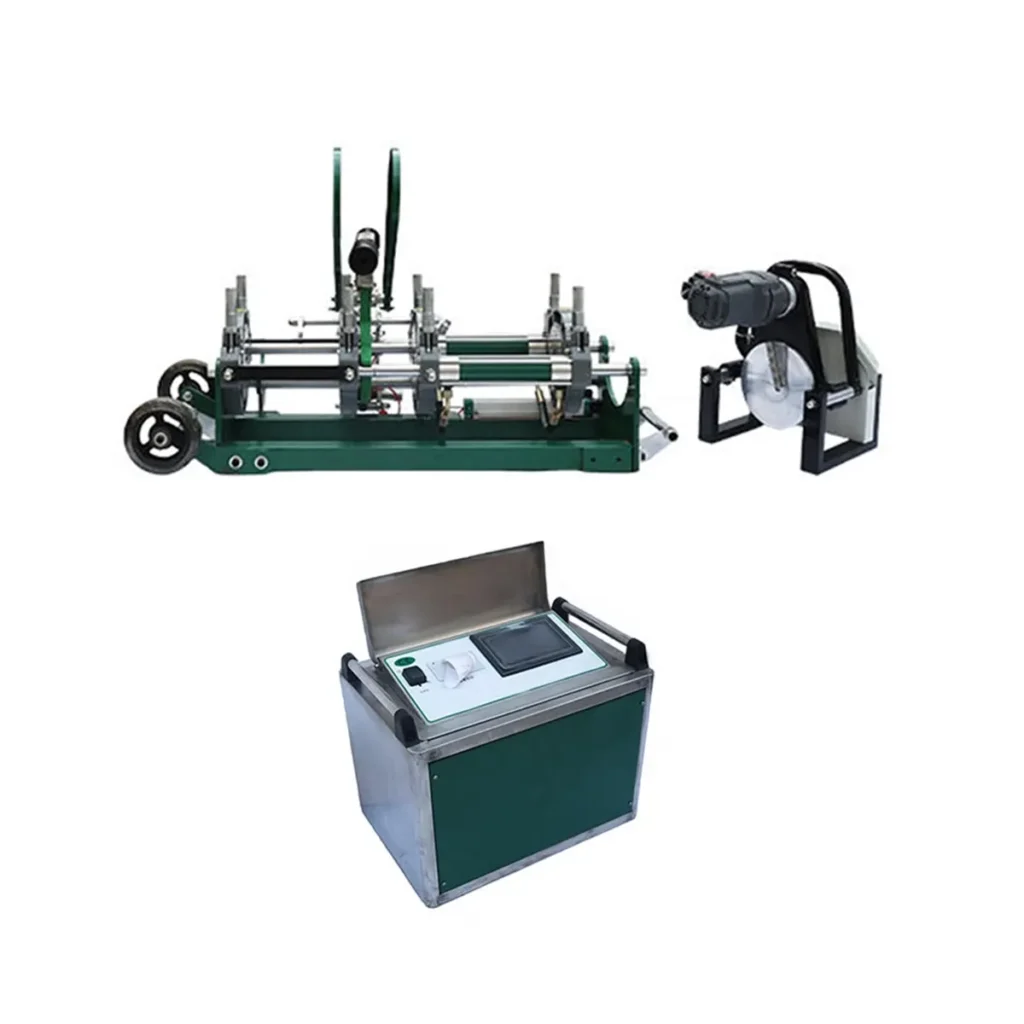
Choosing the right butt fusion machine in Kenya can make the difference between a long-lasting HDPE pipeline and repeated, costly repairs. This guide helps contractors, municipal engineers, and project managers in Kenya select the best machine for water supply, irrigation, gas distribution, and industrial pipeline work.
Why Butt Fusion Is the Preferred Method in Kenya
Butt fusion creates uniform, leak-free joints for HDPE pipes — essential for Kenya’s growing water infrastructure, rural irrigation schemes, and urban utility upgrades. The technique performs well across diverse Kenyan terrains, from highland settlements to coastal regions, because it produces strong joints resistant to corrosion, soil movement, and fluctuating temperatures.
Types of Butt Fusion Machines — Quick Overview
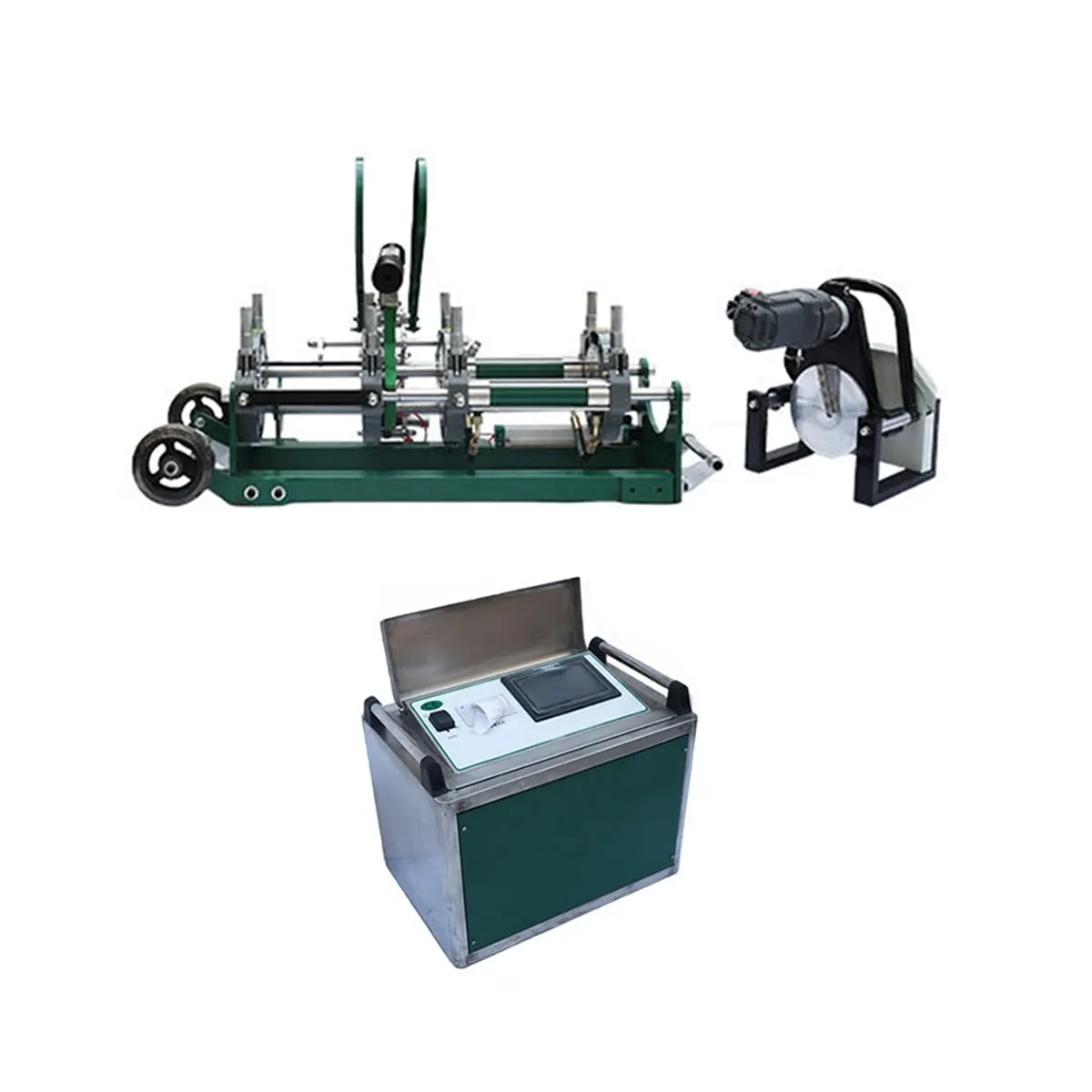
The three main categories you’ll evaluate are manual, hydraulic, and automatic (CNC) machines. Each fits different project scales and site conditions common in Kenya.
Manual Machines
Compact and cost-effective, manual machines are ideal for small-diameter pipes and remote sites where mobility and low maintenance are priorities. They work well for local contractors and NGOs handling rural water projects.
Hydraulic Machines
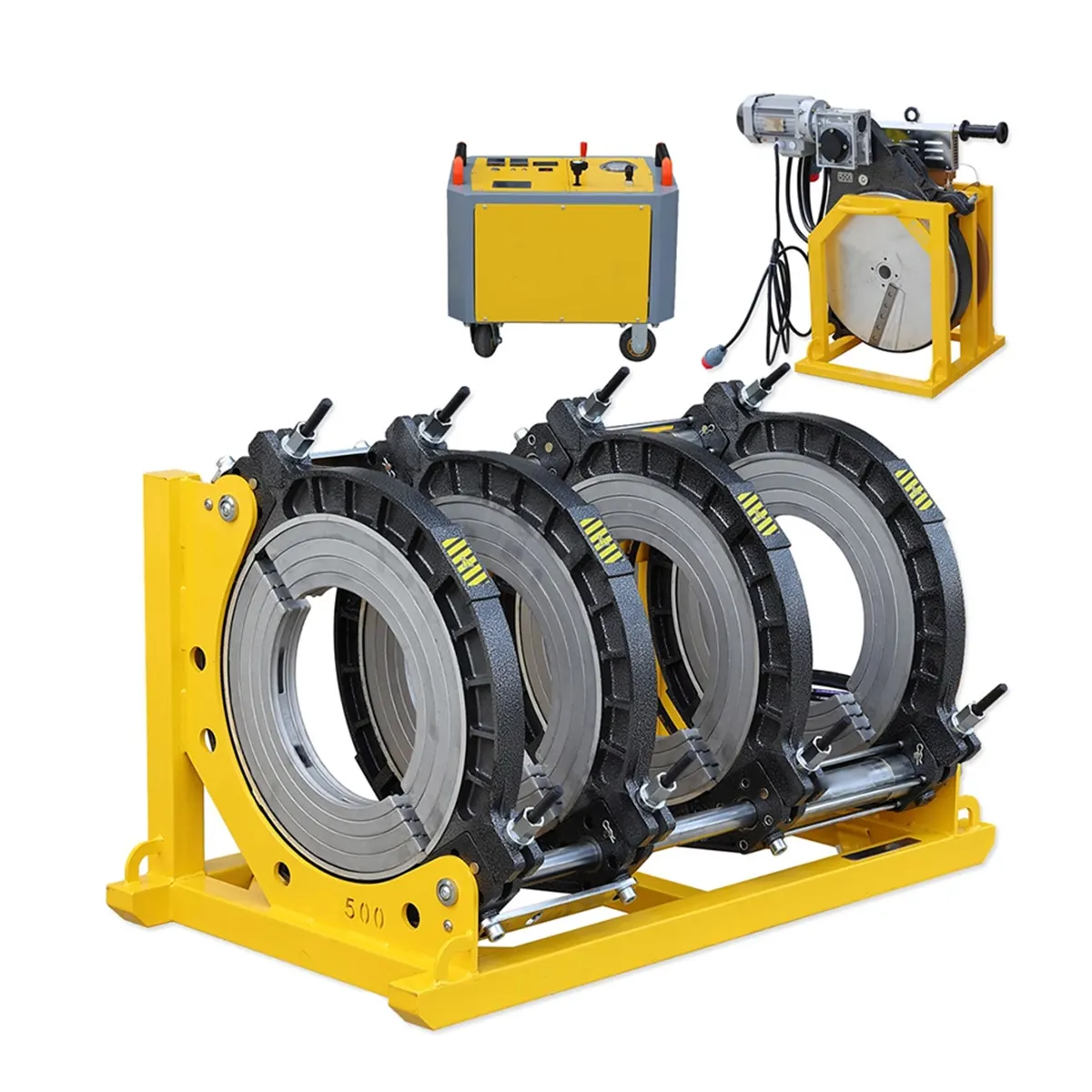
Hydraulic models offer higher clamping force and consistency for medium to large pipes. They are popular for municipal projects and bulk pipeline works in Kenya due to durability and easier operation under field conditions.
Automatic (CNC) Machines
Automatic butt fusion machines provide the most precise heating and fusion control. They are best for high-volume pipelines, large-diameter lines, and contractors delivering to major infrastructure projects where weld traceability and speed matter.
Comparison Table: Choose by Project Needs
| Machine Type | Best For | Typical Diameter Range | Field Suitability in Kenya |
|---|---|---|---|
| Manual | Small jobs, remote sites | 20–400 mm | Highly mobile, low-cost, easy to maintain |
| Hydraulic | Medium-to-large pipelines | 90–2000 mm | Robust for Kenyan terrain, good balance of cost and performance |
| Automatic (CNC) | High-volume, precision projects | 110–2500+ mm | Best for contractors working on major urban and industrial contracts |
How to Choose: Practical Criteria for Kenya Projects
1. Project Scale & Pipe Diameter — Match the machine range to your pipe sizes. Small community water schemes typically use manual or small hydraulic units; county-level and national projects favor hydraulic or automatic machines.
2. Power & Site Conditions — Many Kenyan sites have unreliable grid power. Consider machines that run from portable generators, have low power draw, or include battery-backed controls.
3. Mobility & Durability — For rural or difficult-access sites, choose compact frames, corrosion-resistant parts, and easy-to-repair components.
4. Operator Skill & Training — Automatic machines reduce operator variability but require training in software and controls. Plan for on-site training and operator certification to meet Kenyan contracting standards.
5. Availability of Spare Parts & After-Sales Support — Local stocking of trims, heaters, and clamping parts speeds repairs. Ensure supplier can support documentation, spare parts shipping, and remote troubleshooting.
Procurement Checklist
- Verify diameter range and hydraulic force specs.
- Ask for welding procedure specifications and sample weld logs.
- Confirm warranty, spare parts lead times, and training options.
- Check certifications (ISO, DVS, or other industry standards) and recommended welding parameters for HDPE grades used in Kenya.
Budgeting & Long-Term Value
Initial cost is important, but factor in productivity, downtime risk, and lifecycle maintenance. For recurring county or national projects, an automatic or heavy-duty hydraulic machine often gives better ROI through faster cycles and fewer weld failures.
Local Considerations for Kenya
Kenya’s infrastructure programs often require rapid deployment and long service life in varied climates. Prioritize machines with easy transport, robust heaters for dusty conditions, and clear documentation for compliance with public procurement requirements.
For reliable options and flexible supply, consider established manufacturers that provide global shipping and training; one such supplier is JQ-Fusion (https://jq-fusionwelding.com/).
Final Tip
Start with a pilot section using your chosen machine and validate weld quality under local ground and climate conditions. This step reduces risk before full-scale deployment and helps fine-tune parameters for consistent, leak-free pipelines across Kenya.



