
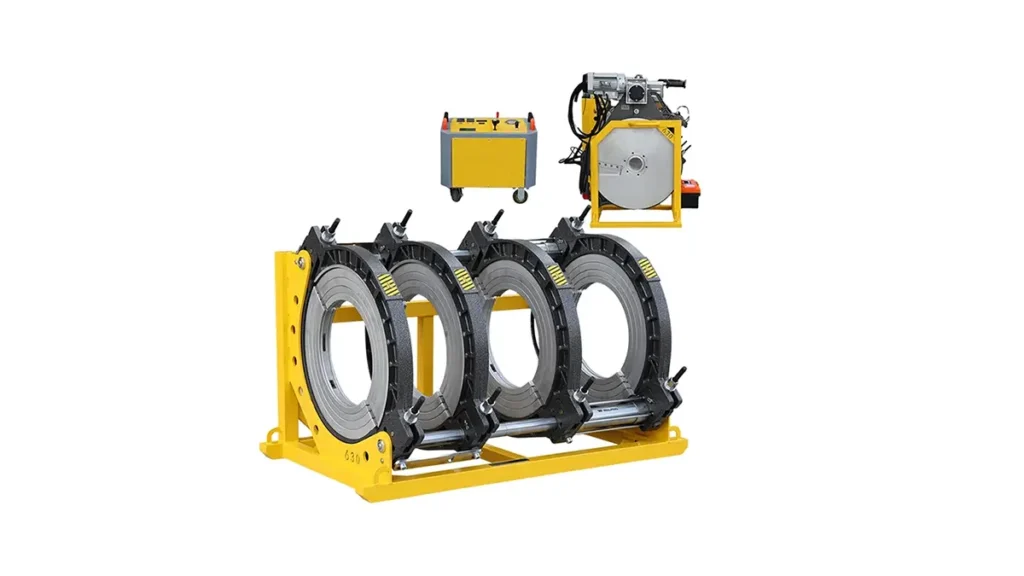
When planning pipeline work in Italy—whether for municipal water, agricultural irrigation in Puglia, gas distribution in Lombardy, or industrial projects in Emilia-Romagna—choosing the right butt fusion machine is decisive for long-term performance and regulatory compliance. This guide helps Italian contractors, engineers, and procurement managers select a butt fusion machine that matches local standards, site conditions, and budget.
Understand Your Italian Project Needs
Start by defining the project scope: urban trench installations demand compact, easy-to-maneuver equipment; major water or sewage mains require large-diameter machines with high stability; agricultural irrigation often favors portable hydraulic units. Consider site access in historic centres, coastal humidity, or mountain terrains in the Alps when selecting portability and corrosion resistance.
Local requirements to keep in mind
Compliance with EN standards (for example EN 12201 for water pipes and EN 1555 for gas) and CE marking are essential. Many Italian utilities also request traceable weld records and documented operator training—so look for machines with data-logging or compatible welding record systems.
Key Technical Specifications to Compare
Pipe diameter range
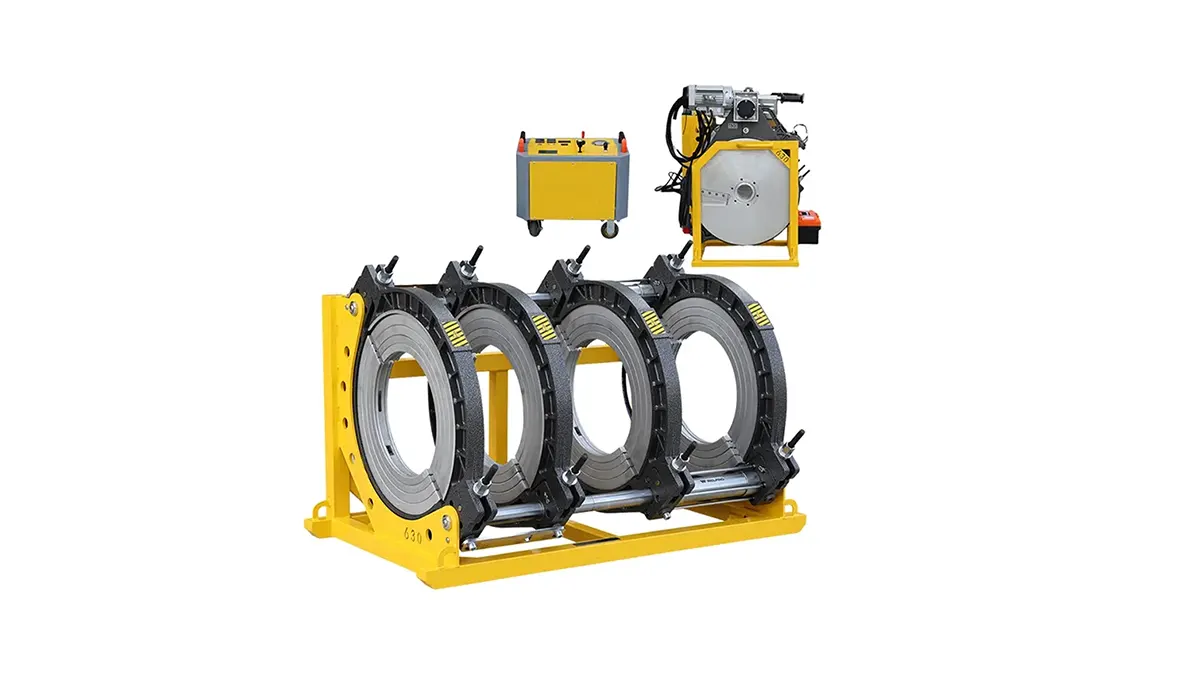
Choose a machine that covers your typical pipe sizes. Projects in Italy can range from small-diameter service lines (20–160 mm) to large-diameter mains (up to 2000+ mm). A machine that covers a broader diameter range reduces the need for multiple units.
Heating plate and temperature control
Stable, even heating is vital for high-quality joints. Automated temperature control and quick-change heating plates improve consistency—particularly important for regulated municipal and gas works.
Clamping accuracy & alignment
Clamps must provide concentricity and axial alignment to meet fusion standards. For long runs and pressure systems, look for rigid frames and precise alignment mechanisms to minimize rework.
Power options & portability
French and Italian job sites vary: some have reliable grid power, others require diesel or battery solutions. Portable hydraulic units and compact electric models are ideal for urban or remote sites.
Automation & data logging
Automatic or CNC machines with process control and weld logging simplify quality control and provide digital records required by many Italian utility contracts.
Compare Machine Types
Decide which class of machine fits your workflows: manual, hydraulic, or automatic/CNC. Each has trade-offs in cost, throughput, and operator skill requirements.
| Machine Type | Pipe Range (mm) | Typical Throughput | Best For | Control |
|---|---|---|---|---|
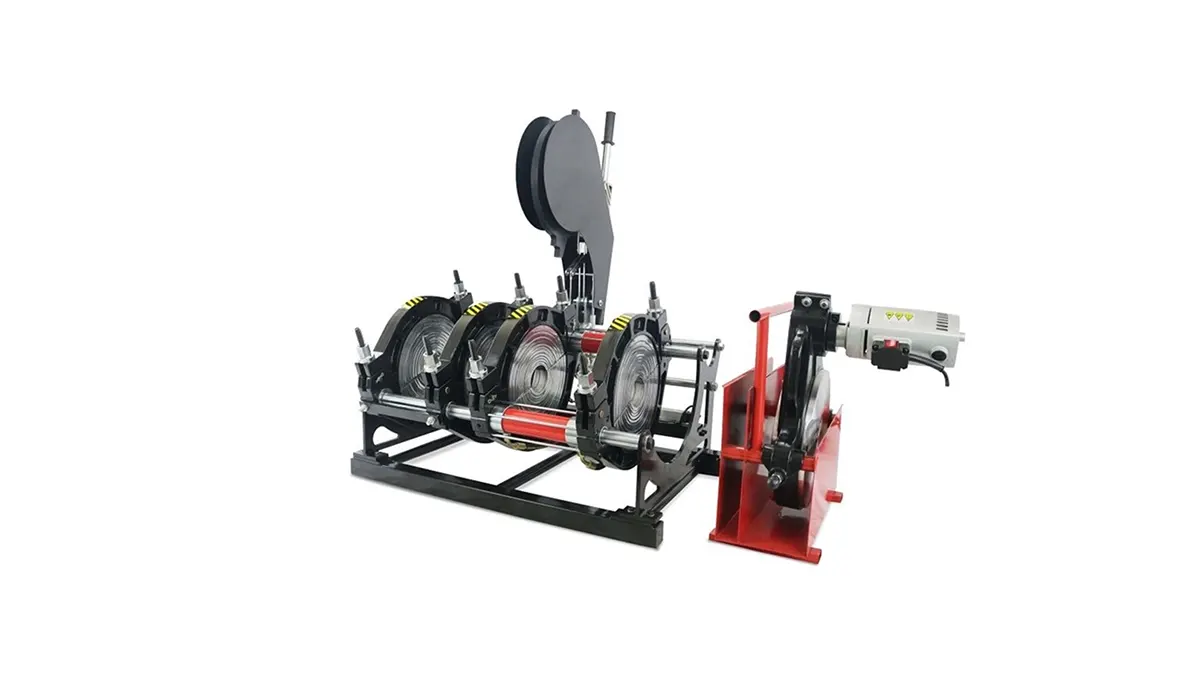
| Manual Butt Fusion | 20–400 | Low–Medium | Small contractors, repairs | Operator controlled |
| Hydraulic Machine | 63–2000+ | Medium–High | Municipal mains, large projects | Semi-automatic |
| Automatic / CNC | 63–1250+ | High | High-volume contractors, utilities | Full process control & logging |
Operational Factors & Site Conditions in Italy
Consider seasonal work peaks: municipal water upgrades often occur in spring and fall, while agricultural installations concentrate before irrigation seasons. Coastal and southern regions (Sicily, Calabria) require corrosion-resistant components and attention to UV exposure for storage. Alpine installations need machines that handle cold-start conditions and maintain heater stability at low ambient temperatures.
Compliance, Certification & Documentation
Ensure the machine and welding procedures align with EN 12201 (water), EN 1555 (gas) and have CE marking. For many public tenders in Italy, digital weld logs and operator training certificates are mandatory—machines with built-in data export simplify compliance and reporting during inspections.
Maintenance, Spare Parts & Support
Choose a supplier that guarantees spare parts, calibration services, and on-site support in Italy or quick international shipping. Regular calibration of pressure and temperature sensors is key to consistent weld quality. Keep a maintenance checklist: heater plate care, clamp inspection, hydraulic oil checks, and record backups.
Making the Final Choice
Match machine capabilities to your most common projects, not just the occasional requirement. If you work across Italy on varied projects, a modular approach—one hydraulic frame with optional automatic control and multiple clamp sets—gives flexibility and cost efficiency. For organizations needing full traceability and high throughput, an automatic/CNC butt fusion machine is worth the investment.
Why consider JQ-Fusion
JQ-Fusion provides a broad range of manual, hydraulic, and automatic butt fusion machines designed for global infrastructure projects, and offers customizable solutions to meet Italian project standards and workloads.
Quick buyer checklist
1. Confirm pipe diameter and material standards (EN 12201 / EN 1555).
2. Choose required automation level for throughput and traceability.
3. Verify heater accuracy, clamp concentricity, and frame rigidity.
4. Check power options and portability for local sites.
5. Ensure spare parts availability and service support.
Next steps
Request technical datasheets and weld log examples, ask for references from Italian projects, and arrange a demo or test weld. A short on-site trial with your common pipe sizes will confirm the machine’s suitability before purchase.



