
Choosing the right butt fusion machine in Ecuador means balancing technical needs, local conditions, and project scale. Whether you are building water supply lines in coastal Guayaquil, gas distribution networks near Quito, or irrigation systems in the Andean valleys, the correct equipment ensures durable HDPE welds, regulatory compliance, and efficient field work.
Types of Butt Fusion Machines — Which Fits Ecuador Projects?
Understanding the main machine categories helps match tools to jobsite realities across Ecuador’s diverse geography:
- Manual/Portable Machines — Ideal for small-diameter pipes (16–315mm), rural installations, and sites with limited access. Low cost and easy to transport across rough terrain common in highland areas.
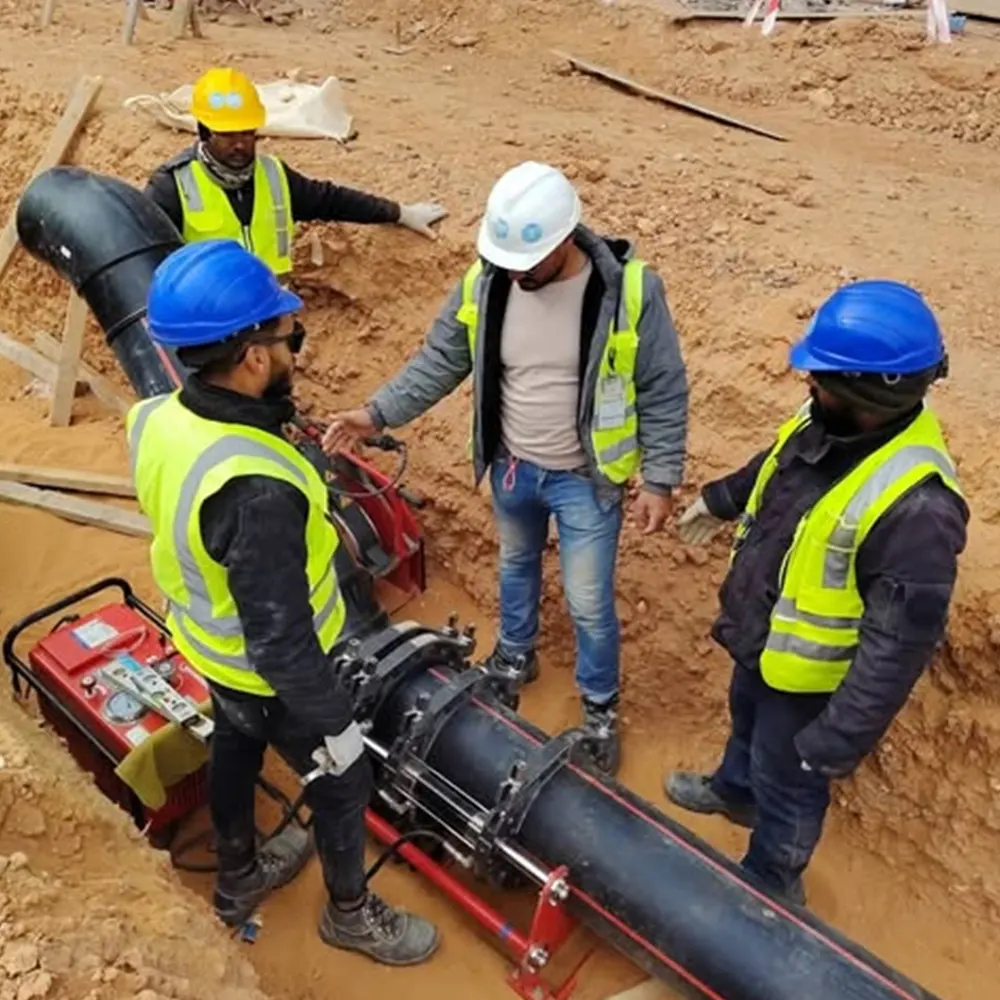
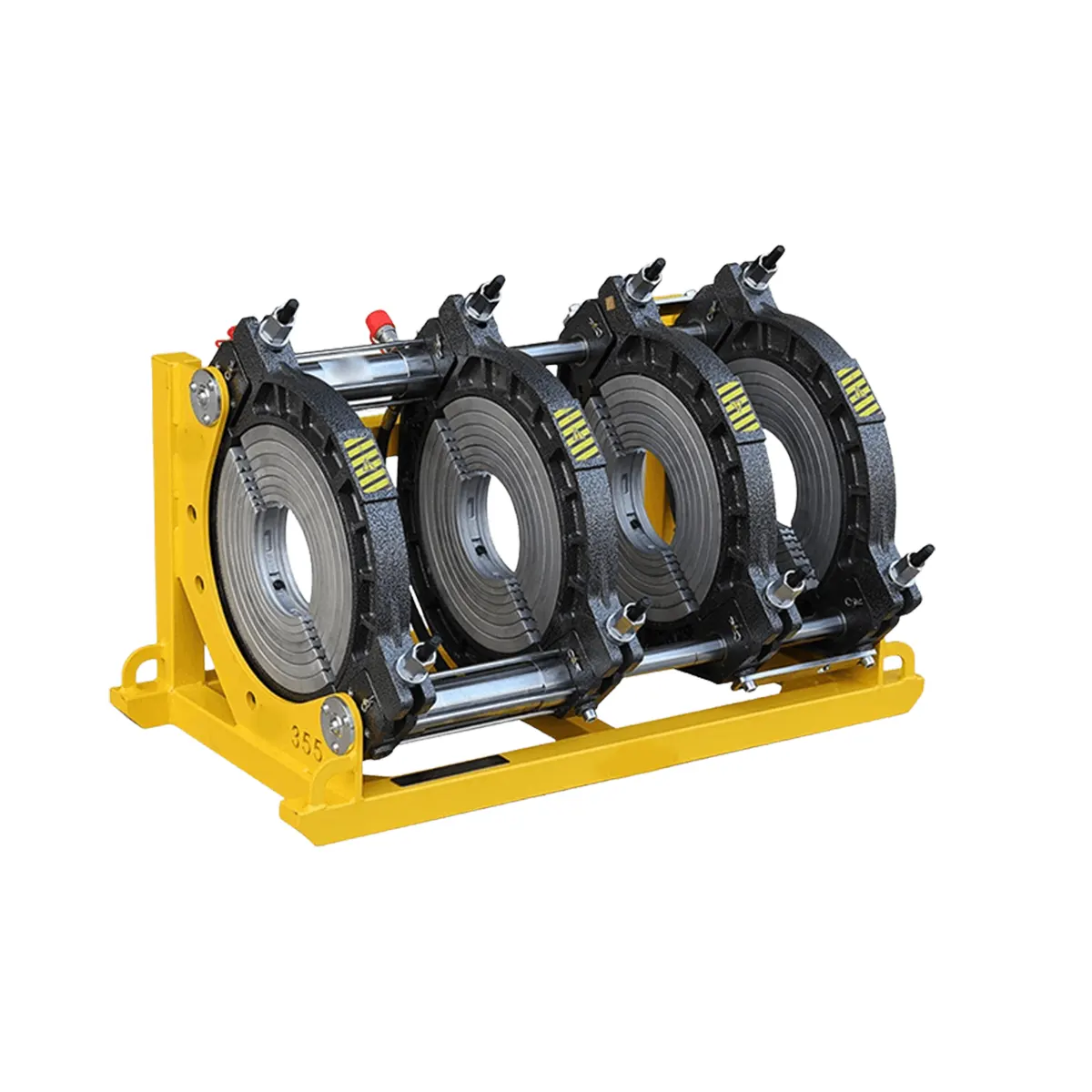
- Hydraulic Machines — Best for medium to large diameters (160–1250mm). Provide steady pressure and repeatable welds for municipal water and gas mains in urban and suburban projects.
- Automatic / CNC Machines — Suited for high-volume, precision-required projects like large-diameter trunk lines or factory prefabrication. Reduce operator variability and speed up long pipelines.
Quick Comparison Table
| Machine Type | Best For | Pros | Cons |
|---|---|---|---|
| Manual | Small jobs, remote sites | Portable, affordable | Labor intensive, slower |
| Hydraulic | Municipal mains, medium-large pipes | Stable pressure, reliable welds | Heavier, needs transport |
| Automatic / CNC | Large-scale, precision projects | Fast, consistent, data logging | Higher upfront cost, power needs |
Key Local Factors to Consider in Ecuador
Ecuador presents particular conditions that influence machine selection and operation:
- Terrain and Access: Mountainous Andean sites and remote Amazon areas require lightweight, portable equipment or reliable transport logistics for heavier hydraulic units.
- Climate & Temperature: Coastal humidity and Amazon heat can affect electrical controls and heating plate performance—choose corrosion-resistant fittings and robust control enclosures.
- Altitude: High-altitude welding in cities like Quito may influence machine heating cycles; verify performance data for different elevations.
- Workforce Skills: Many local installers are Spanish-speaking technicians; look for machines with intuitive controls and available training in Spanish.
- Regulatory & Certification: Confirm compliance with Ecuadorian standards for potable water and gas lines; traceable weld documentation can aid approvals.
Practical Selection Checklist
- Pipe diameter range: Match machine clamping capacity to your project (e.g., 20–160mm for distribution, 250–1250mm for trunk lines).
- Project scale & speed: Choose automatic systems when throughput and consistency are priorities.
- Power availability: For sites without reliable mains power, consider gas generators or manual options.
- After-sales support: Ensure spare parts, consumables (heating plates, cutters), and technical support are accessible—ideally with Spanish-speaking documentation.
- Transport & setup: Factor in road quality and crane access for large hydraulic frames, especially for Andean or rainforest operations.
Buying Tips & Local Logistics for Ecuador
Smart procurement reduces delays and cost overruns:
- Local port and shipping: Most equipment ships via Guayaquil; plan customs clearance and inland transport to Quito or provincial sites.
- Training & documentation: Request on-site or virtual commissioning and operator training in Spanish, plus maintenance guides and weld parameter charts.
- Warranty & spare parts: Verify warranty terms and lead times for spare parts. Stock commonly worn parts locally if possible.
- Reference installations: Ask for case studies or references for projects in similar Ecuadorian conditions—coastal, highland, or jungle.
Maintenance & Best Practices
Routine care extends machine life and keeps weld quality high:
- Clean heating plates after each use and protect them from moisture.
- Inspect clamping frames and seals for wear; replace damaged parts promptly.
- Keep a welding log with parameters and environmental conditions for traceability required by many Ecuadorian municipal contracts.
Quick FAQs
Q: Which machine is best for rural potable water networks in Ecuador?
A: Manual or small hydraulic units for ease of transport and cost-effectiveness; ensure food-grade welding practices and documentation.
Q: Are automatic machines overkill for smaller local contractors?
A: For low-volume or occasional jobs, yes. Automatic machines pay off for large, continuous pipeline contracts or prefabrication yards.
About JQ-Fusion: JQ-Fusion manufactures a wide range of HDPE butt fusion machines—manual, hydraulic, and automatic—designed for global infrastructure projects and adaptable to Ecuador’s varied field conditions.
Selecting the right butt fusion machine in Ecuador demands attention to pipe size, site access, climate, and the local workforce. Match machine capabilities to project needs, secure local support and parts, and prioritize training to ensure safe, long-lasting welds.



