
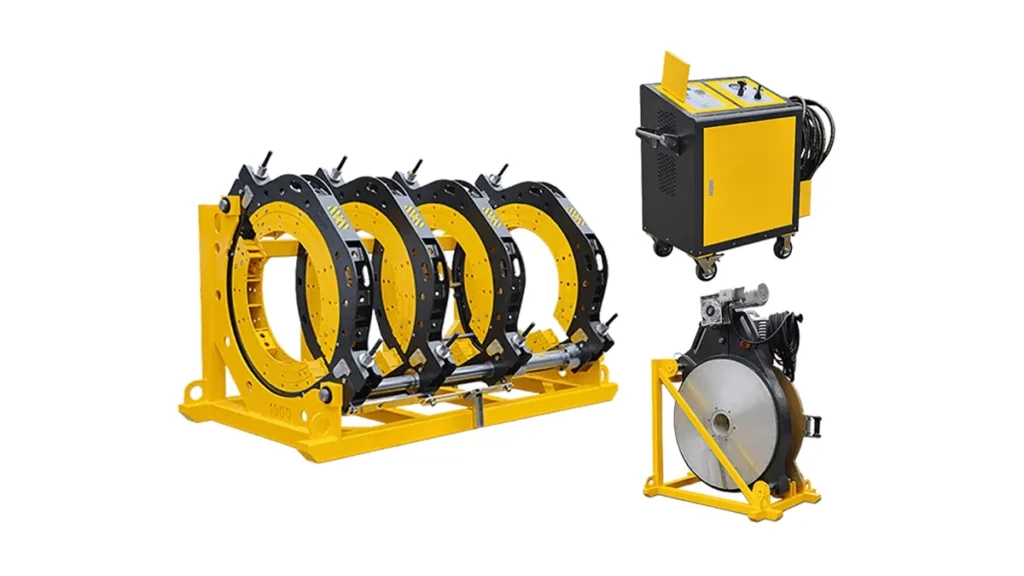
Denmark’s infrastructure projects—ranging from municipal water networks and district heating to offshore and industrial piping—demand reliable HDPE welding equipment. Choosing the right butt fusion machine for your Danish project means balancing climate, standards, site access, and long-term maintenance. This guide helps engineers, contractors, and procurement teams select a machine that meets local requirements and delivers consistent weld quality.
Why Denmark-specific factors matter
Northern climate and seasonal work windows: Cold temperatures and wet weather influence on-site heating, storage, and transport of welding equipment. Choose machines that operate reliably in low temperatures and are easy to shelter on-site.
Strict quality standards: Danish projects often require EN and ISO-compliant welding records and traceability. Automated control and logging features help meet documentation needs for public utilities and contractors.
Urban access and coastal work: Many installations occur in tight city streets or near coastal sites where mobility and corrosion resistance matter. Compact, corrosion-resistant components and easy transport solutions improve productivity.
Match machine type to project scale
Manual/Portable Machines (h4)
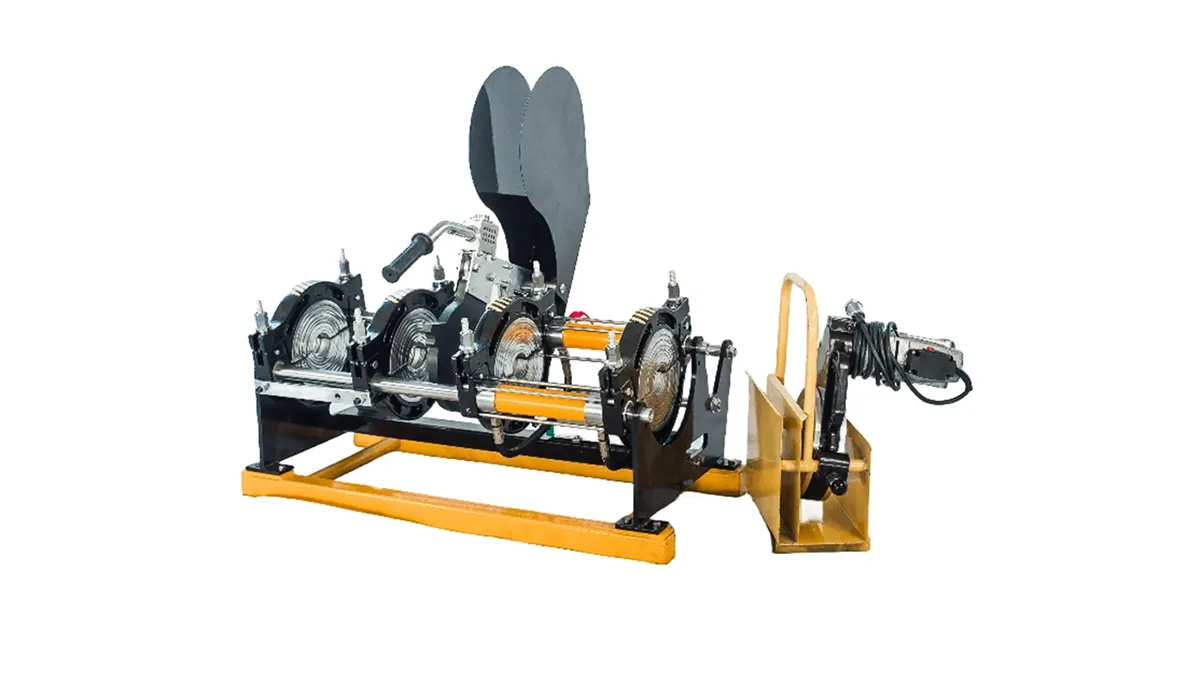
Best for small repairs, service work, or short runs. Lightweight and highly mobile—ideal for urban utility crews in Danish municipalities. Limited automation means operator skill is critical.
Hydraulic Machines (h4)
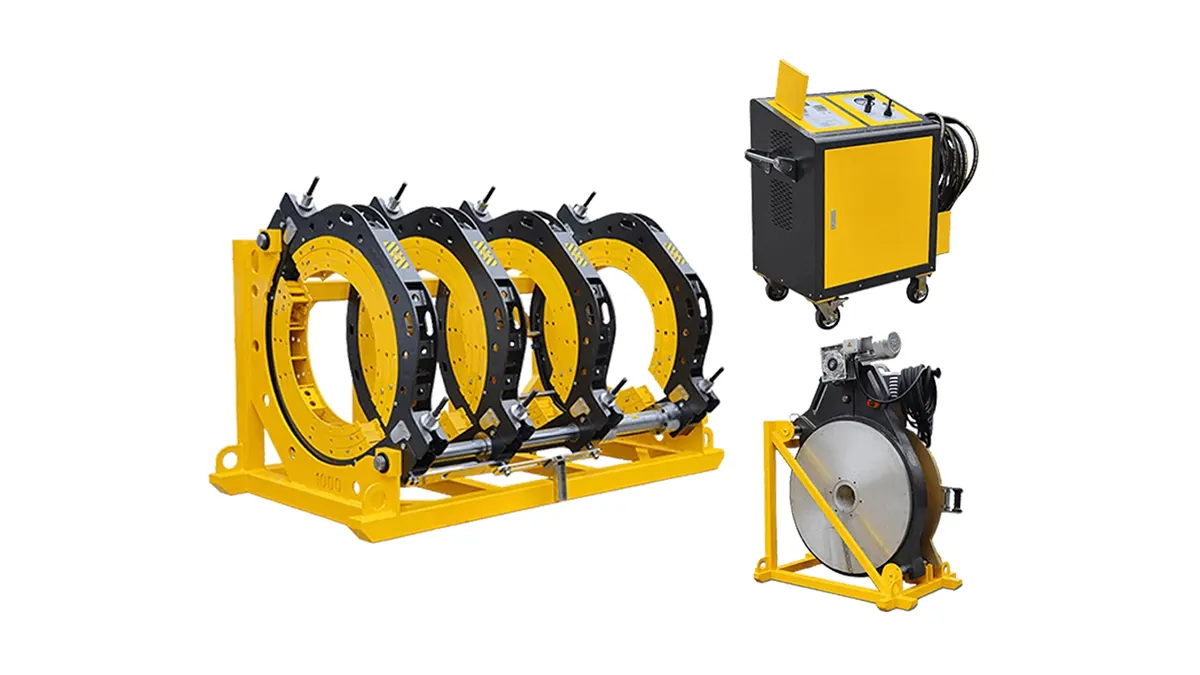
Provide higher clamping force and stability for medium to large diameters. Suitable for pipeline contractors doing district heating or gas distribution projects where reliable, repeatable welds and on-site robustness are required.
Automatic/CNC Machines (h4)
Offer precision, programmable cycles, and full process logging—useful where documentation and traceable quality are mandatory (public works, industrial sites). They are preferred for long production runs and large-diameter installations.
Key specs and features to check
Diameter range: Ensure the machine covers the HDPE pipe sizes in your project (from service tees to large mains).
Clamping force and alignment: Proper force prevents cold welds; alignment systems reduce joint defects.
Power and heating plate options: Consider local electricity supply and the need for diesel generators on remote sites. Rapid, even heating plates reduce cycle times in cold weather.
Traceability and control: Digital controls with weld logs, temperature profiles, and time stamping simplify compliance with EN/ISO documentation requirements.
| Machine Type | Best For | Pipe Diameter | Mobility |
|---|---|---|---|
| Manual Portable | Service repairs, tight urban access | 20–160 mm | High |
| Hydraulic | Municipal mains, district heating | 63–1600 mm | Medium |
| Automatic / CNC | Large projects, QA-critical installs | 63–2000+ mm | Lower (but transportable) |
Operational and procurement checklist for Denmark
1. Verify certifications: Require EN/ISO compliance and ask for weld traceability reports.
2. Consider seasonal logistics: Add protective enclosures or heating shelters for winter work.
3. Training and local support: Ensure the supplier or distributor provides Danish-language manuals or on-site training and timely spare parts.
4. Maintenance and corrosion protection: Select machines with stainless or painted components suitable for coastal environments.
Budgeting, ROI and total cost of ownership
Beyond purchase price, include training, certification testing, spare parts, and transport. Automated machines cost more upfront but reduce rework and provide audit-ready weld records—often delivering better ROI for large Danish public works or industrial jobs.
Final selection tips
Pilot a machine: If possible, run a field test on site to evaluate performance under local conditions and confirm operator comfort with controls.
Ask for references: Check recent projects in Denmark or similar Northern European environments.
For tailored recommendations, contact JQ-Fusion directly to discuss machine models, local support, and customization options.



