
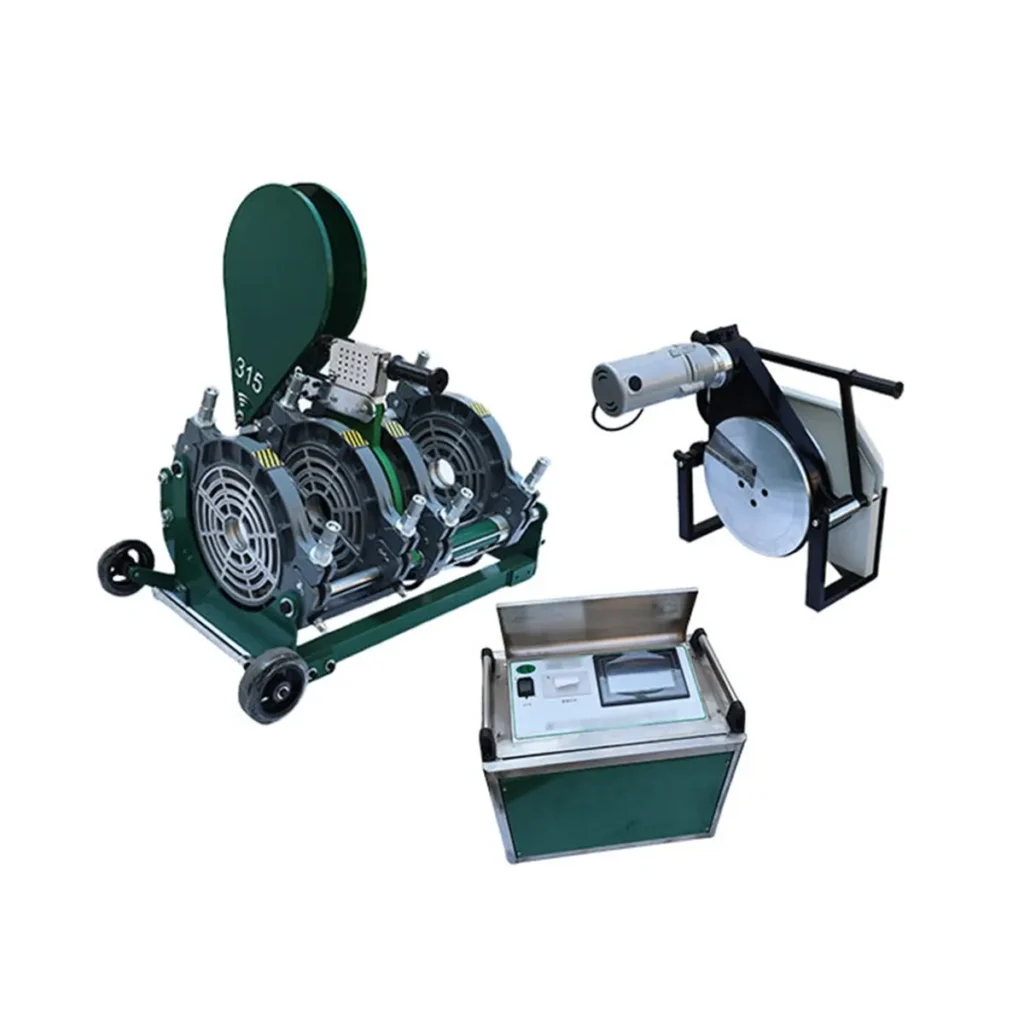
Choosing the right butt fusion machine in Brunei means matching equipment to local pipeline needs — from municipal water networks and small-scale irrigation to the oil & gas and construction projects common in the Sultanate. This guide explains what a butt fusion machine is, how the process works, the main machine types, and practical tips for selecting equipment that performs reliably in Brunei’s humid, coastal environment.
What Is a Butt Fusion Machine?
A butt fusion machine is specialized equipment used to join thermoplastic pipes (mainly HDPE, PE100) by heating the pipe ends and fusing them under pressure to form a continuous, leak-free joint. The method is widely used for water mains, gas distribution, drainage systems, and industrial pipelines due to its strength and long-term durability.
How Butt Fusion Works
The process involves three main steps: aligning and clamping pipe ends, facing/trimming to create flat surfaces, and heating the ends on a hot plate before pressing them together under controlled pressure. The result is a molecular bond that, when done correctly, equals or exceeds the pipe’s parent material strength.
Key Components to Check
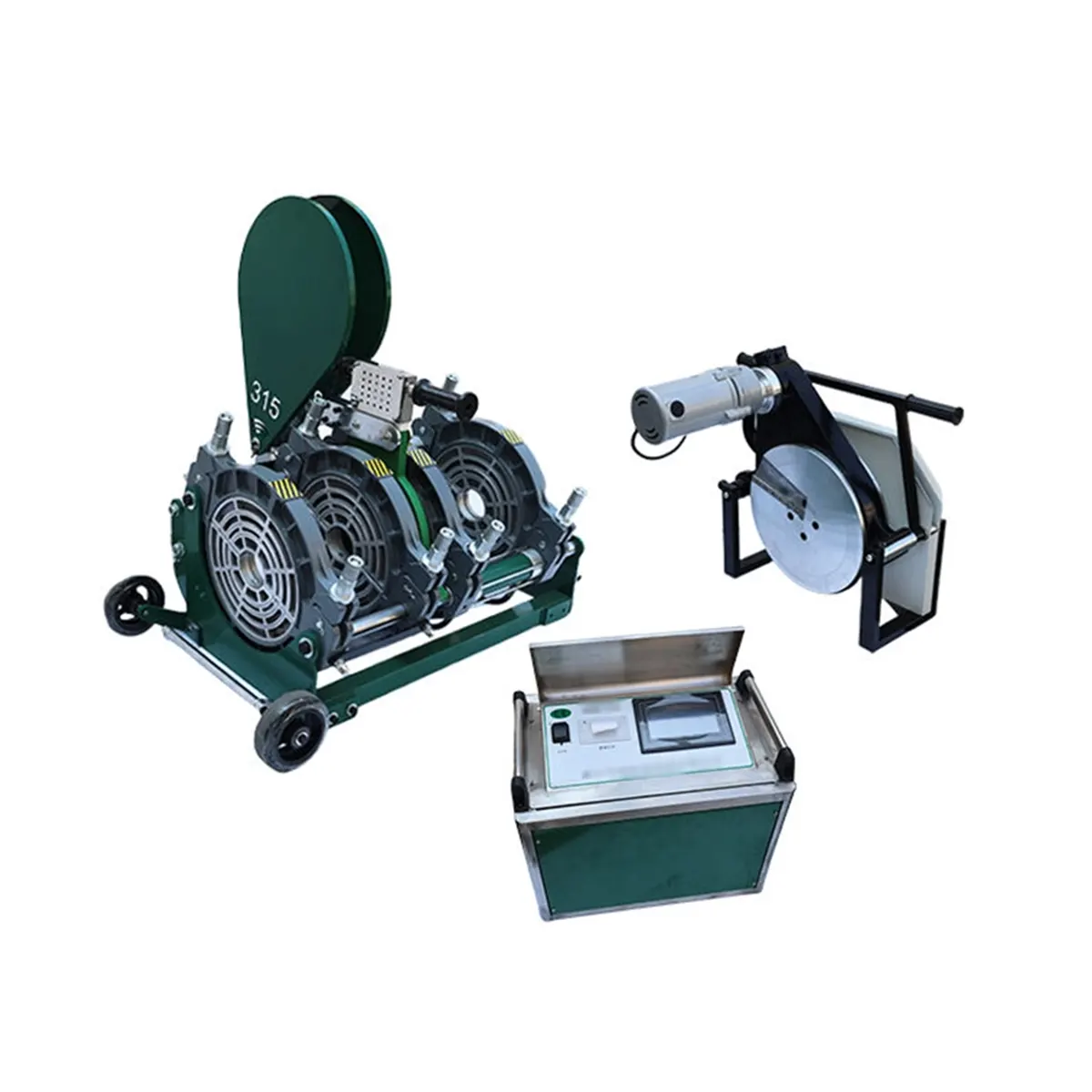
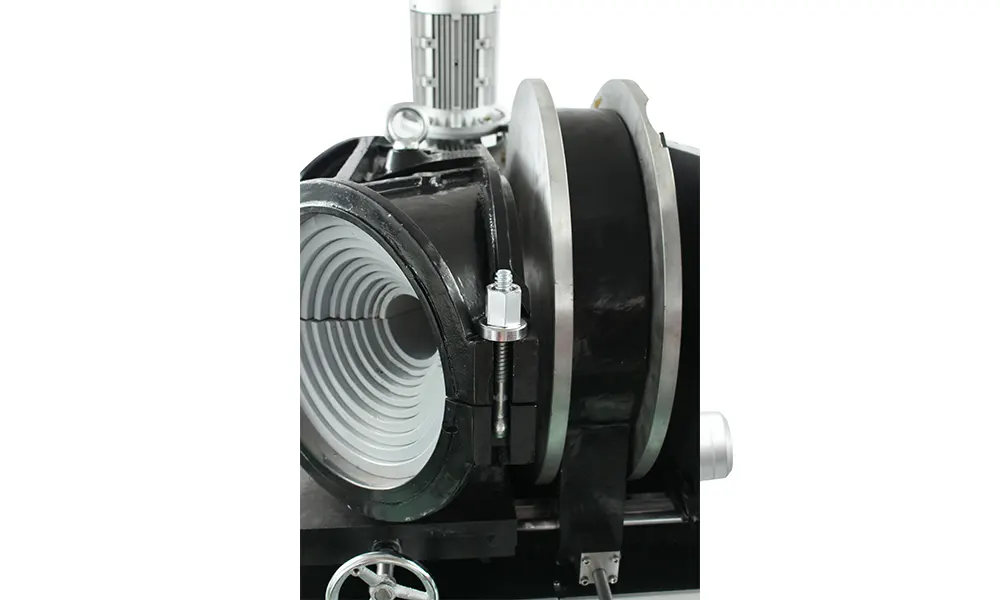
When assessing machines, focus on clamp design and material compatibility, facing tool precision, heater plate quality, and ease of pressure control. Reliable hydraulic or electric systems and clear operation panels reduce human error — a crucial factor for consistent weld quality in field conditions across Brunei’s varied job sites.
Types of Butt Fusion Machines — Quick Comparison
Picking between manual, hydraulic, and CNC/automatic units depends on project scale, operator skill, and budget. The table below highlights typical uses and trade-offs to help contractors and municipal buyers in Brunei decide.
| Type | Pipe Range | Best For | Pros / Cons |
|---|---|---|---|
| Manual | Small to medium (16–400mm) | Local contractors, repair work | Pros: Low cost, portable. Cons: Operator skill dependent. |
| Hydraulic | Medium to large (63–2000mm) | Municipal and industrial pipelines | Pros: Strong, stable pressure control. Cons: Heavier, needs maintenance. |
| CNC / Automatic | Wide range up to very large diameters | High-volume projects, prefabrication yards | Pros: Repeatable precision, data logging. Cons: Higher investment and training. |
Choosing the Right Machine for Brunei
Local considerations should guide your choice: Brunei’s coastal humidity and occasional heavy rain mean corrosion resistance and protected electrical components matter. Contractors working on rural water supply networks may prefer portable manual or small hydraulic units, while company fabrication yards and oil & gas contractors benefit from automated machines with strict welding records.
Checklist for Buyers
1. Confirm pipe material and diameter range. 2. Verify heater plate temperature stability and surface finish. 3. Ask about spare parts availability and local service options. 4. Check training and welding certification support for your crew.
Maintenance and Training
Regular facing knife maintenance, heater plate cleaning, and hydraulic fluid checks keep machines reliable in tropical climates. Invest in operator training and welding procedure documentation — well-trained teams produce consistent, certified joints and reduce rework costs.
When to Contact a Manufacturer
If your project requires a tailored solution — such as large-diameter hydraulics or CNC systems with data logging for compliance — consult the machine manufacturer to customize clamps, frames, or control systems to Brunei’s environment and your project standards. For international procurement and trusted butt fusion solutions, consider contacting JQ-Fusion at their official site for machine specifications and shipping options.



