
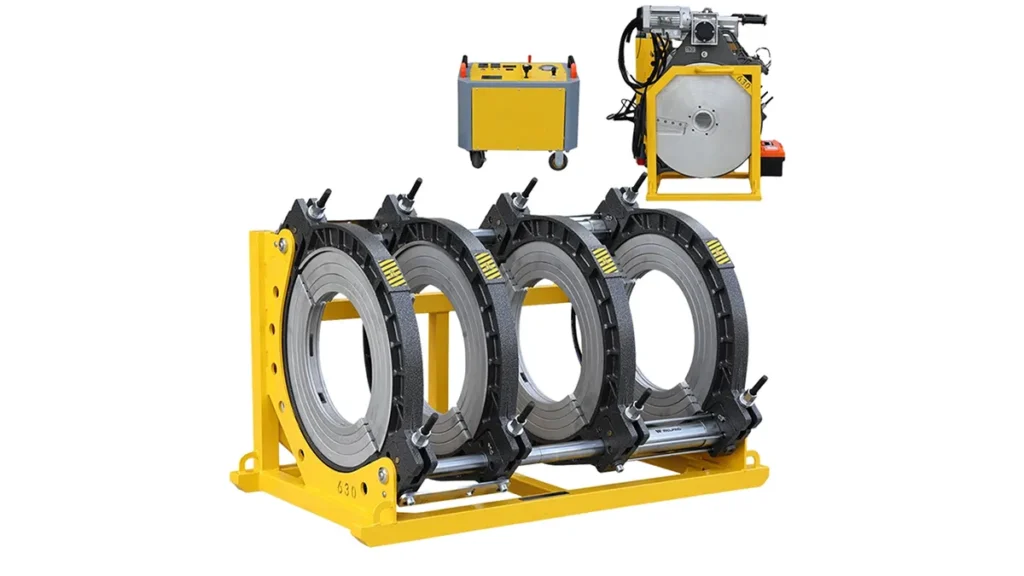
Choosing the right butt fusion machine in Belarus depends on project scale, pipe material and local working conditions. Whether you’re working on municipal water networks in Minsk, agricultural drainage in rural regions, or gas distribution upgrades across Belarusian cities, the right welding equipment boosts efficiency, safety and long-term joint reliability.
Understand the Main Types of Butt Fusion Machines
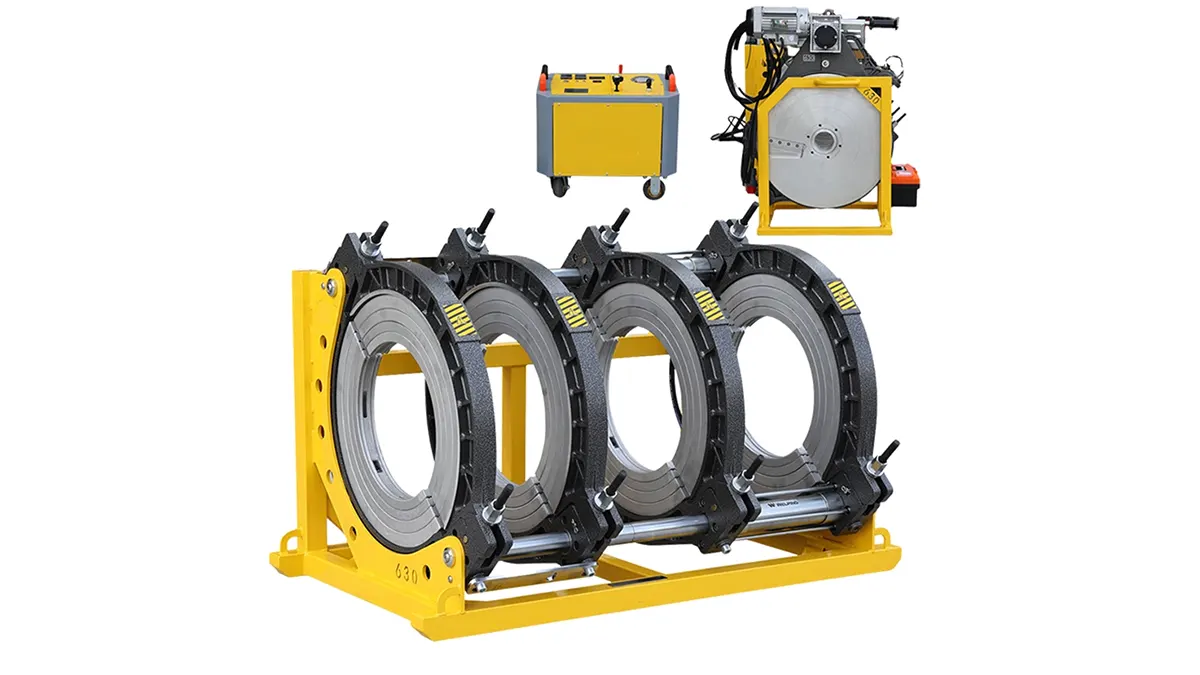
Manual machines are compact and ideal for small-diameter repairs and remote sites. Hydraulic machines provide consistent pressure for mid-size projects and are robust for fieldwork during Belarus’ cold months. Automatic / CNC systems deliver the highest precision for large-diameter pipelines and factory or long-run installation tasks.
What Belarusian Contractors Should Prioritize
Climate resilience: machines must operate reliably in sub-zero temperatures during Belarusian winters — choose models with protected hydraulics and reliable heaters. Mobility: for regional pipeline maintenance, lightweight or trailer-ready frames matter. Spare parts & service: fast access to components and experienced technicians keeps downtime low.
Quick Comparison: Manual vs Hydraulic vs Automatic
| Machine Type | Best For | Key Benefit |
|---|---|---|
| Manual | Small repairs, tight budgets | Portable and cost-effective |
| Hydraulic | Field installation, medium diameters | Consistent pressure and durable |
| Automatic / CNC | Large projects, factory lines | High precision, repeatable quality |
Five Questions to Ask Before Buying
Answer these to narrow your options: 1) What pipe diameters will you weld? 2) How often will the machine be relocated? 3) Do you need on-board power or external generator? 4) Are certified weld records required for regulatory compliance? 5) How fast must the machine reach operating temperature in cold conditions?
Model Recommendations by Application in Belarus
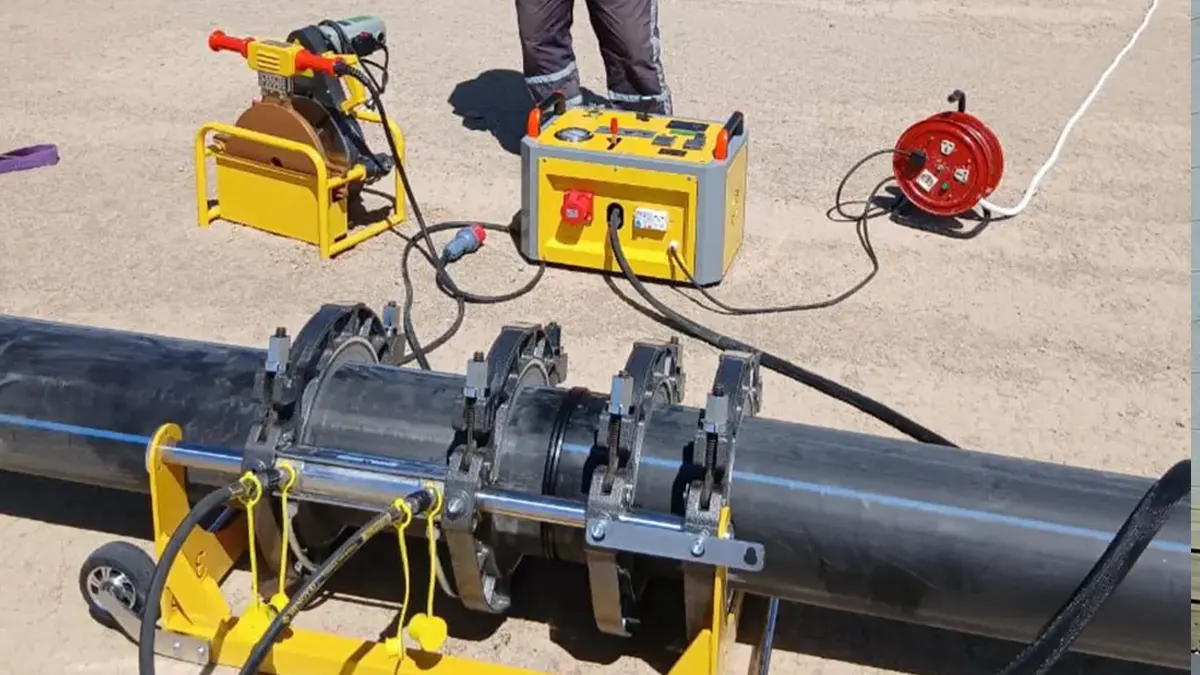
Urban utility repairs (Minsk, regional centers): compact hydraulic or higher-end manual clamping frames for quick street-side repairs. Rural/agricultural networks: lightweight manual units or small hydraulics for fields and farm access. Large trunk lines and industrial projects: automatic/CNC butt fusion machines for quality control, traceable weld data and faster cycle times.
Value vs Budget: Where to Invest
Invest in precise pressure control and heater plate quality first. For Belarusian contractors, reducing rework due to poor fusion is more cost-effective than saving on initial purchase price. Consider models with digital control or data logging if supplying municipal or gas projects that require weld records.
On-site Tips for Belarus Winters
Preheat the pipe and store the machine in a sheltered area overnight. Keep batteries warm and use suitable hydraulic fluid rated for low temperatures. Train crews on extra thawing and alignment checks after extended cold exposure to prevent brittle failures.
Technical Checklist (Quick)
| Item | Why It Matters |
|---|---|
| Clamping Range | Ensures compatibility with pipe sizes you use |
| Heating Plate Quality | Directly affects fusion strength |
| Pressure Consistency | Prevents weak joints and rework |
| Data Logging / Controls | Needed for large/institutional projects |
Where to Source Reliable Machines
For dependable machines and global project experience, consider manufacturers that provide a wide range of options from manual to automatic butt fusion units and offer spare parts and training tailored for Eastern European climates. JQ-Fusion: https://jq-fusionwelding.com/
Final Buying Tip
Test alignment and run a sample weld on your most common pipe size before committing. This simple step validates cycle time, joint quality and the machine’s real-world suitability for Belarusian site conditions.



