
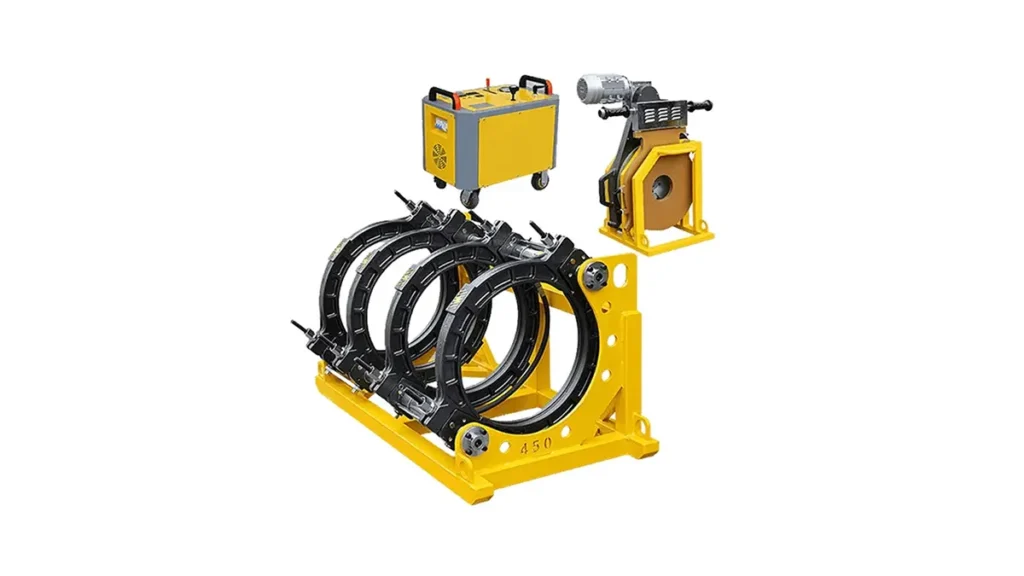
Choosing the right butt fusion machine for a pipeline project in Algeria requires balancing pipe size, site conditions, crew skills, and long-term reliability. This guide helps contractors, municipal engineers, and project managers pick the best HDPE welding solution for Algerian water, gas, mining and irrigation projects.
Why Butt Fusion Works Well in Algeria
Butt fusion creates homogenous, leak-free joints ideal for Algeria’s expanding infrastructure — from coastal gas networks to inland irrigation systems. HDPE pipes resist corrosion from saline coastal air and chemical exposure common in industrial sites, while welded joints maintain flexibility in temperature swings across the country.
Local considerations: Algeria’s arid climate, dusty conditions, and remote project sites often mean portable, robust machines and easy-to-service models are preferred. Projects near urban centers like Algiers or Oran may benefit from higher-automation units that increase throughput for large municipal programs.
Key Factors to Consider When Selecting a Machine
Pipe diameter range: Match the machine’s clamping range to your most common pipe sizes. Manual machines are fine for DN20–DN160; hydraulic and automatic systems cover larger diameters up to several meters.
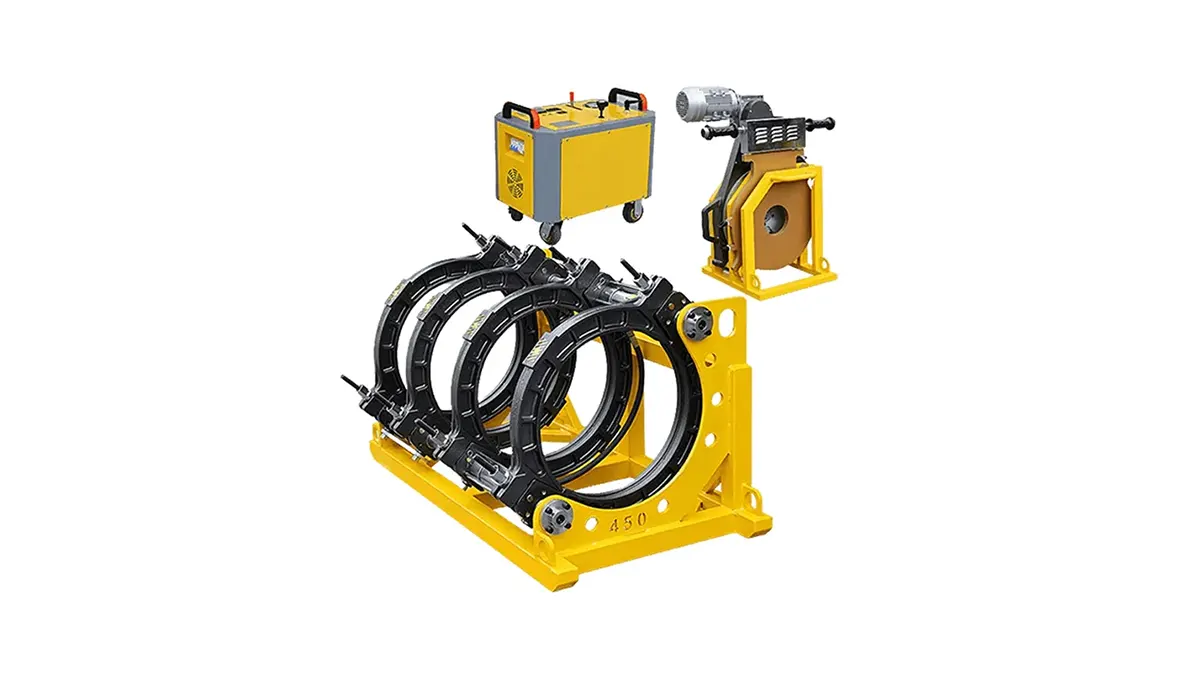
Automation level: Manual for low-volume repairs and local crews; hydraulic for medium projects; CNC automatic for high-precision, high-volume pipelines (urban distribution or industrial trunklines).
Portability and power: For remote Algerian sites, consider weight, trailer-mount options, and whether the unit runs reliably from gensets or local grid voltages.
Durability and maintenance: Choose machines with sealed hydraulics, easy-to-source spare parts, and field-service support to minimize downtime on dusty or coastal jobsites.
Quick Comparison: Manual vs Hydraulic vs Automatic
| Type | Best for | Pros | Cons |
|---|---|---|---|
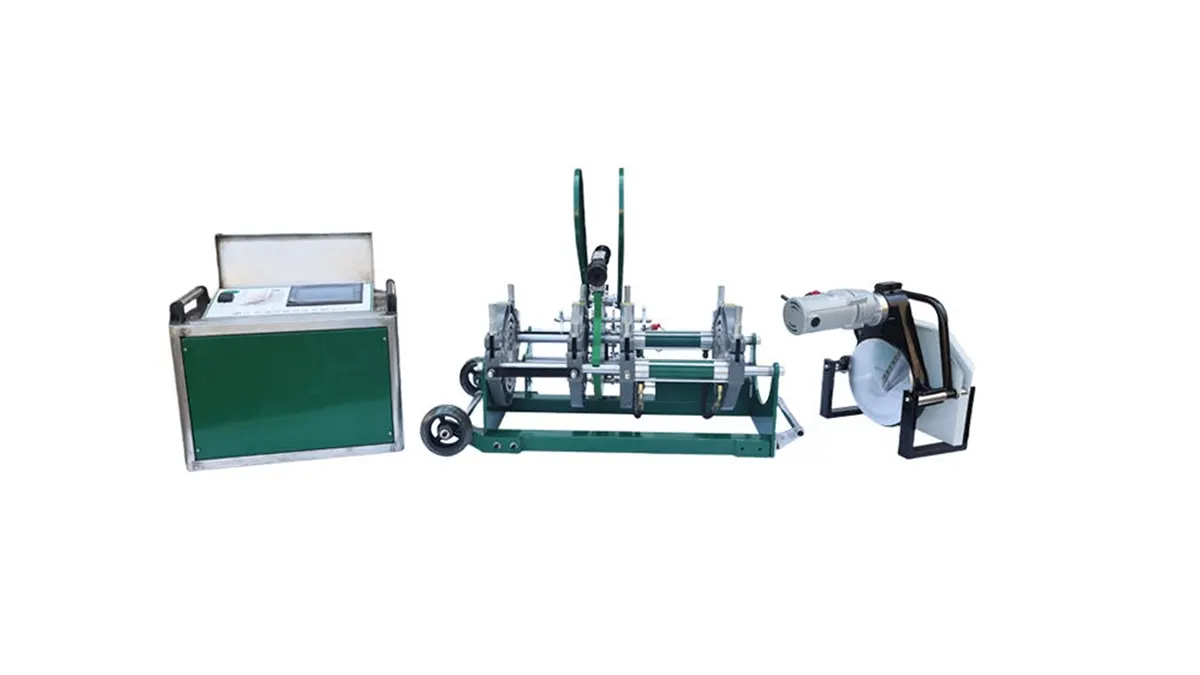
| Manual Butt Fusion | Small repairs, rural distribution | Low cost, portable, simple | Lower repeatability, slower |
| Hydraulic Butt Fusion | Municipal networks, medium projects | Good force control, faster welding | Heavier, needs maintenance |
| CNC Automatic Butt Fusion | Large-diameter trunklines, high-volume works | High accuracy, data logging, fast | Higher upfront cost, needs skilled operators |
Site Conditions, Power & Training — Algeria-Specific Tips
Power stability: Many remote Algerian construction sites rely on generators. Verify the machine’s power draw and choose models tolerant of voltage fluctuations or with compatible control units.
Environmental protection: Machines with dust seals, corrosion-resistant components, and easy-to-clean heater plates reduce maintenance in sandy or coastal locations.
Local workforce training: Invest in operator training for hydraulic and automatic systems to ensure weld quality and maximize ROI. Training reduces rework — vital when jobs are far from supply hubs.
Budget & Return on Investment
When planning budgets for Algerian projects, weigh initial price against productivity: an automatic unit may cost more upfront but reduces labor and rework on urban or industrial contracts. For rural or small-diameter networks, a manual or hydraulic machine often offers the best cost-performance balance.
Practical Decision Checklist
1. What are your most common pipe diameters?
2. How many welds per day are required on peak projects?
3. Are sites remote, dusty, or coastal (impacting maintenance)?
4. Do you need data logging and traceability for public works or large contracts?
5. Is local technical support and spare parts availability sufficient for the chosen model?
For tailored recommendations and reliable HDPE welding equipment suited to Algerian pipelines, contact JQ-Fusion: https://jq-fusionwelding.com/



