
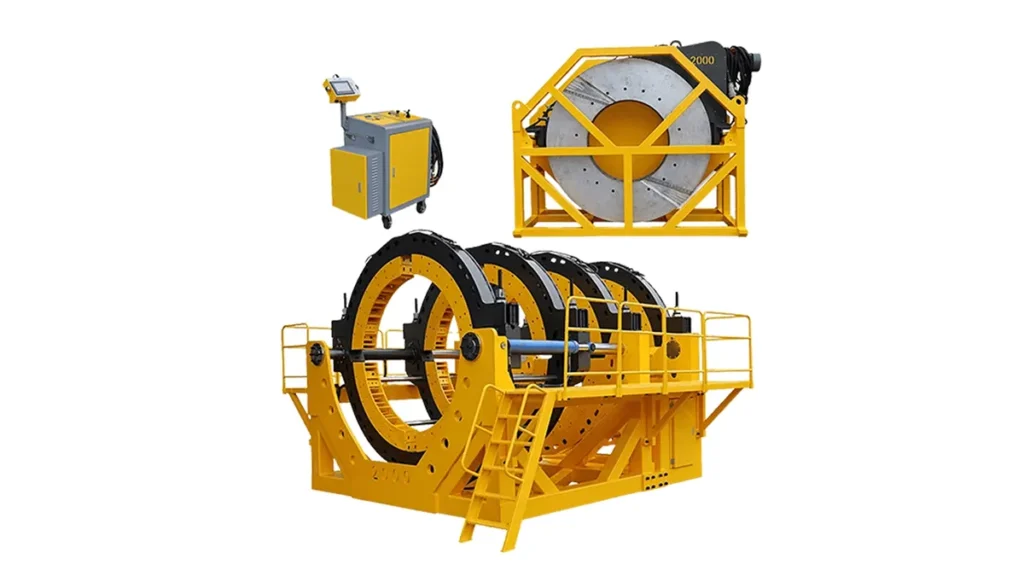
Finding a reliable butt fusion machine factory in Yemen means balancing equipment quality, local conditions, and supply-chain realities. Whether you’re a municipal contractor working on water networks in Sana’a, a gas distributor in Aden, or an NGO rebuilding pipelines in rural governorates, choosing the right HDPE pipe welding equipment is critical for long-term project success.
Where to Find Reliable Suppliers and Factories
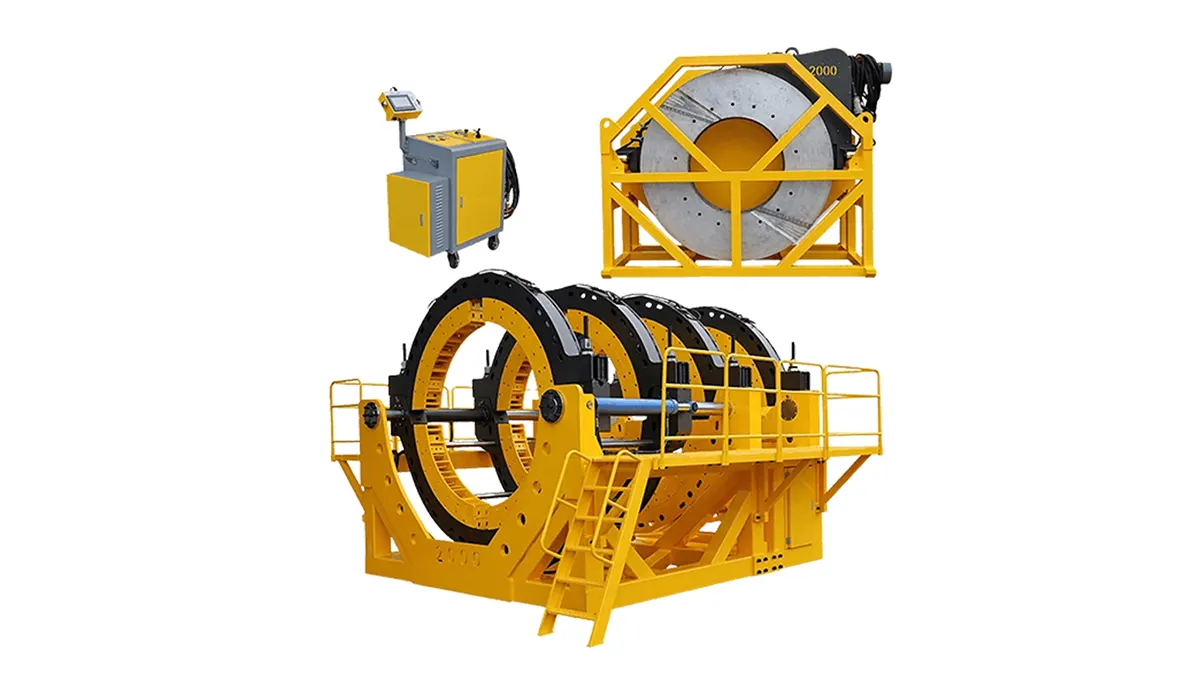
Start with a mix of local distributors, regional partners, and vetted international manufacturers that ship to Yemen. Look for suppliers who can demonstrate shipment experience into Red Sea and Gulf ports, provide documentation for customs clearance, and supply training or remote technical support. Trusted manufacturers typically offer a product range from manual units for small repairs to hydraulic and automatic butt fusion machines for large-diameter mains and industrial pipelines. One example of an experienced manufacturer is JQ-Fusion, a supplier focused on HDPE pipe welding machines and global infrastructure projects.
Key Features to Look For in Quality Butt Fusion Equipment
When evaluating machines, prioritize durability and consistent weld quality. Essential features include:
Heating plate consistency: uniform temperature and fast recovery for repeatable welds.
Precise alignment and clamping: rigid frames or aluminum clamp systems to avoid misalignment on larger diameters.
Pressure control and telemetry: accurate hydraulic control or computerized pressure regulation for automatic systems.
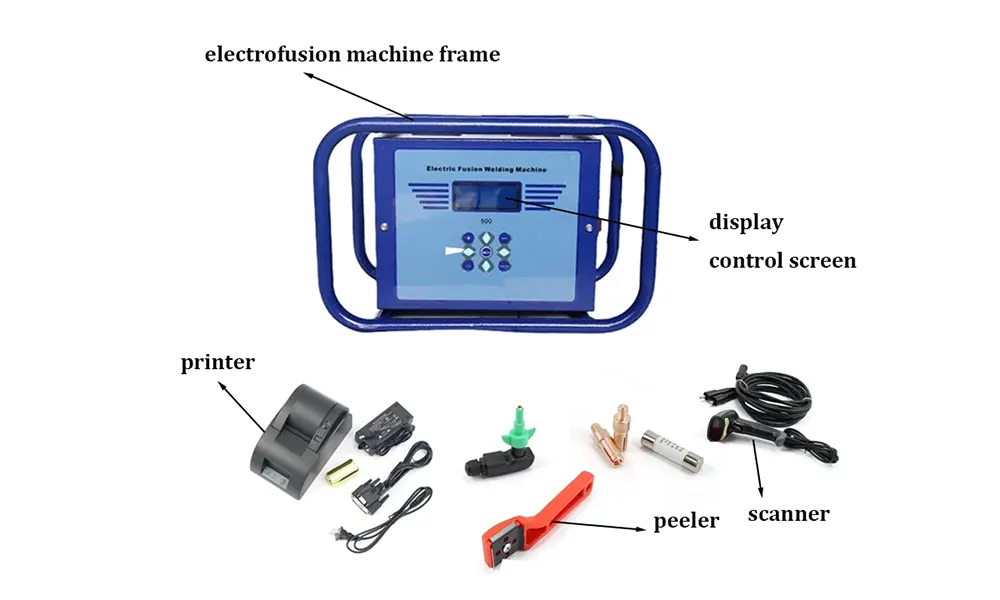
Serviceability: modular spare parts, local consumables availability (heaters, trims), and clear maintenance guides.
Certifications and testing: ISO/CE standards, documented weld procedure specifications (WPS), and factory weld test records.
| Machine Type | Typical Pipe Range | Best For |
|---|---|---|
| Manual Butt Fusion | 20–160 mm | Field repairs, small village networks, low-budget projects |
| Hydraulic Butt Fusion | 160–1200 mm | Municipal water mains, medium industrial lines |
| Automatic/CNC Butt Fusion | 63–1250 mm+ | Large-diameter pipelines, repeated production welding, high-precision projects |
Considerations Specific to Yemen
Yemen’s climate, infrastructure and logistics shape equipment choices:
Heat, dust and corrosion: choose machines with sealed electronics and corrosion-resistant components.
Power reliability: portable manual and hydraulic systems that run on small generators are often more practical in remote sites.
Shipping and customs: plan for longer lead times and ensure suppliers provide complete export documents and assistance for clearance via Aden or Al Hudaydah ports.
Local workforce: prioritize suppliers who offer training materials or on-site commissioning to raise weld quality among local crews.
Project types: NGOs and municipal utilities often need robust, easy-to-maintain machines; oil, gas, and mining projects may require larger, certified automatic systems.
Checklist to Verify Supplier Reliability
Before ordering, confirm the supplier can provide:
- Factory certifications and product test reports
- Reference projects with photos or client contacts
- Spare parts availability and lead times
- Training, commissioning, or remote support options
- Shipping terms, incoterms, and clear customs paperwork
Selecting the right butt fusion machine factory for Yemen means matching equipment capabilities to site realities—durability in harsh climates, parts support, and logistics readiness. Assess suppliers on technical performance, proven export experience, and their ability to support operators on the ground. With careful selection and verification, contractors and agencies across Yemen can achieve strong, long-lasting HDPE pipeline joints that stand up to local challenges.



