
Choosing the right butt fusion machine for a Vietnam pipeline project means matching climate, site conditions, and local workforce skills with the machine’s capabilities. This guide helps contractors, municipal engineers, and distributors across Vietnam — from Ho Chi Minh City waterworks to Mekong Delta irrigation projects — decide which butt fusion option works best for their scope, budget, and timeline.
Understand the Main Butt Fusion Types
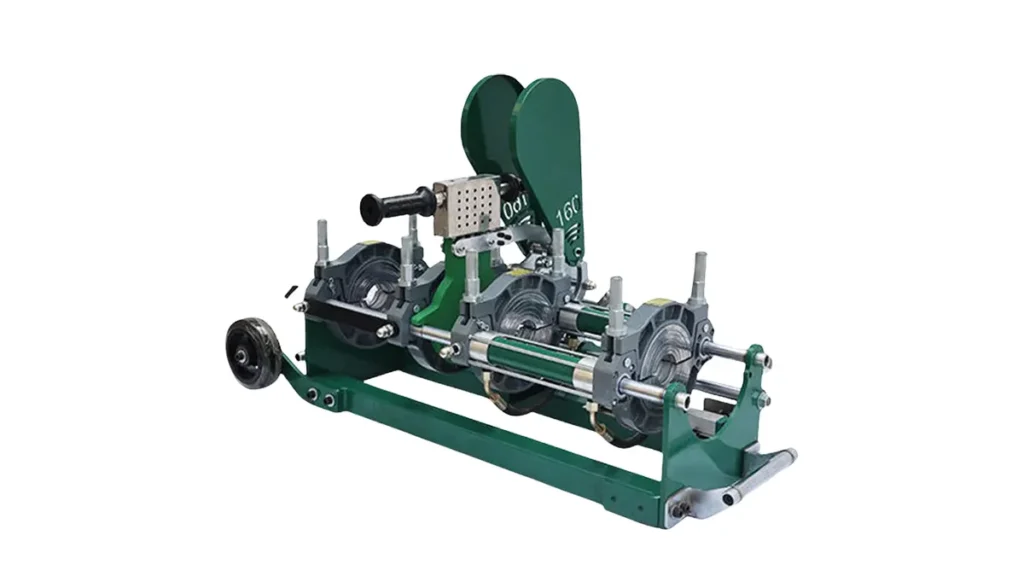
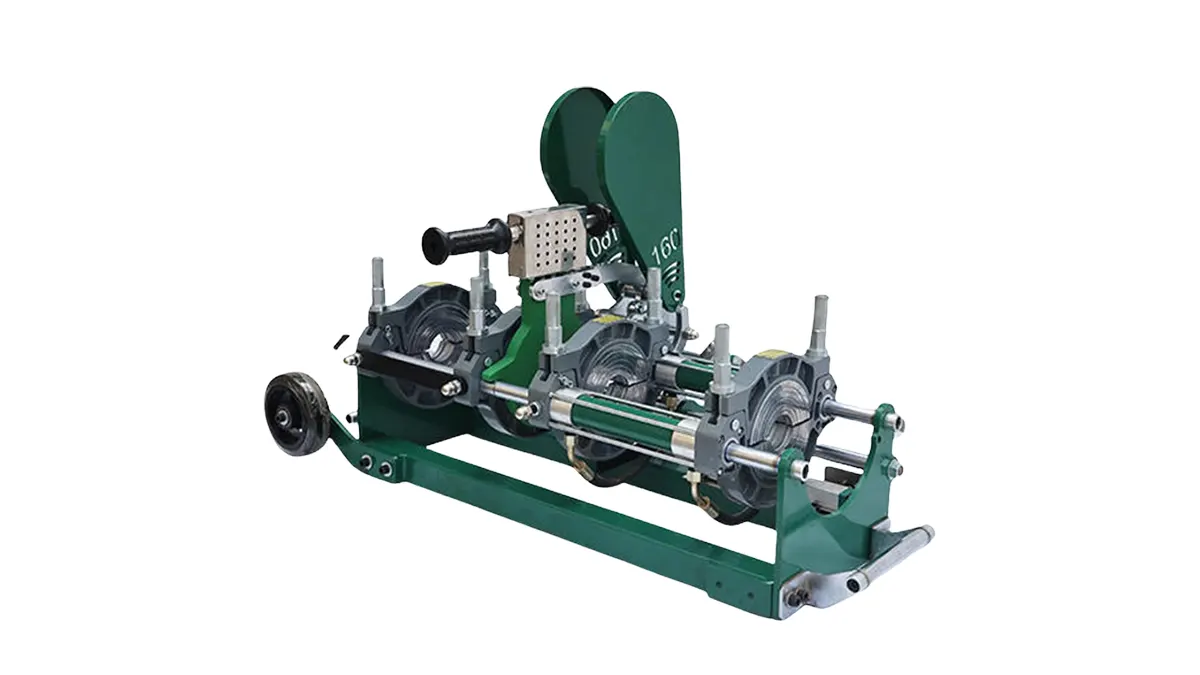
Manual (bench-style) machines are simple, low-cost, and ideal for small-diameter HDPE repairs or rural water networks. Hydraulic machines provide more power and stability for mid-range diameters and longer welds. Automatic and CNC systems are built for high-volume work, precision, and large-diameter pipelines used in urban utilities and industrial projects.
Why Vietnam’s environment matters
Vietnam’s hot, humid climate and seasonal rains influence site selection, storage of consumables, and machine maintenance. For coastal or flood-prone regions, corrosion-resistant components and reliable sealing performance are essential. Projects in remote provinces require machines that are easy to transport and service with limited workshop facilities.
Key selection criteria
When specifying a butt fusion machine, consider these factors:
• Pipe diameter range required on the project (20mm–2500mm).
• Daily/weekly welding volume and expected project duration.
• Power availability: portable generators vs. on-site three-phase supply.
• Operator skill level — training needs for automatic/CNC systems.
• Portability for rural or island worksites common in Vietnam.
• After-sales support and spare parts lead time.
Machine comparison at a glance
| Type | Best for | Pipe range | Speed / Precision | Vietnam use cases |
|---|---|---|---|---|
| Manual | Small repairs & budget projects | 20–160mm | Lower speed, operator dependent | Rural water supply, small irrigation works |
| Hydraulic | Medium to large diameter pipelines | 160–1000mm | Stable, repeatable welds | Urban water mains, gas distribution |
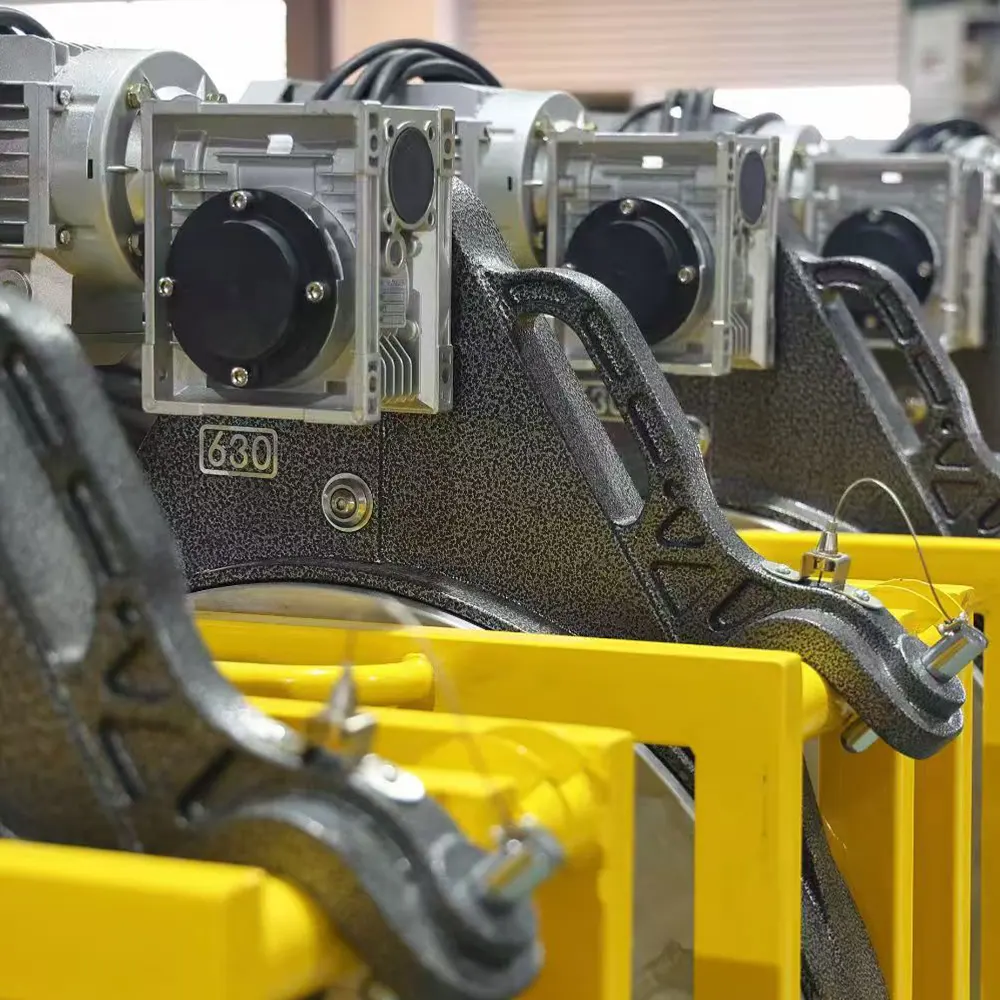
| Automatic | High-volume, precise production | 63–1250mm+ | High speed, programmable cycles | Large municipal projects, prefabrication yards |
| CNC / Multi-angle | Complex fittings and large diameters | 200mm–2500mm | Highest precision for joints & fittings | Industrial plants, trunk pipelines, multi-angle fittings |
Practical buying tips for Vietnamese buyers
1. Inspect local demo and operator training availability — Vietnamese contractors value hands-on training to ensure consistent weld quality.
2. Prioritize machines with robust heating plate controls and easy-to-source spare parts to reduce downtime during monsoon months.
3. Ask about IP protection for electronics if machines will be used near coastal salt air or frequent dust exposure.
4. Consider rental or modular systems for seasonal projects like flood-response or temporary irrigation expansions.
Quality, certification, and support matter
Choose machines from suppliers who publish welding parameters, provide calibration documentation, and can support ISO or industry-specific testing. For a reliable manufacturing partner with a wide HDPE butt fusion portfolio and global project experience, see JQ-Fusion — they offer manual, hydraulic, and automatic models plus service support to match Vietnam’s diverse pipeline needs: https://jq-fusionwelding.com/
Final decision checklist
• Confirm pipe diameters and daily weld targets.
• Verify power supply and logistics for moving equipment across provinces.
• Evaluate operator skill and training plans.
• Check warranty, spare parts availability, and local service options.
If you match machine type to your project context — climate, site accessibility, and throughput — you’ll improve weld reliability and lower lifetime costs for Vietnam’s demanding infrastructure projects.



