
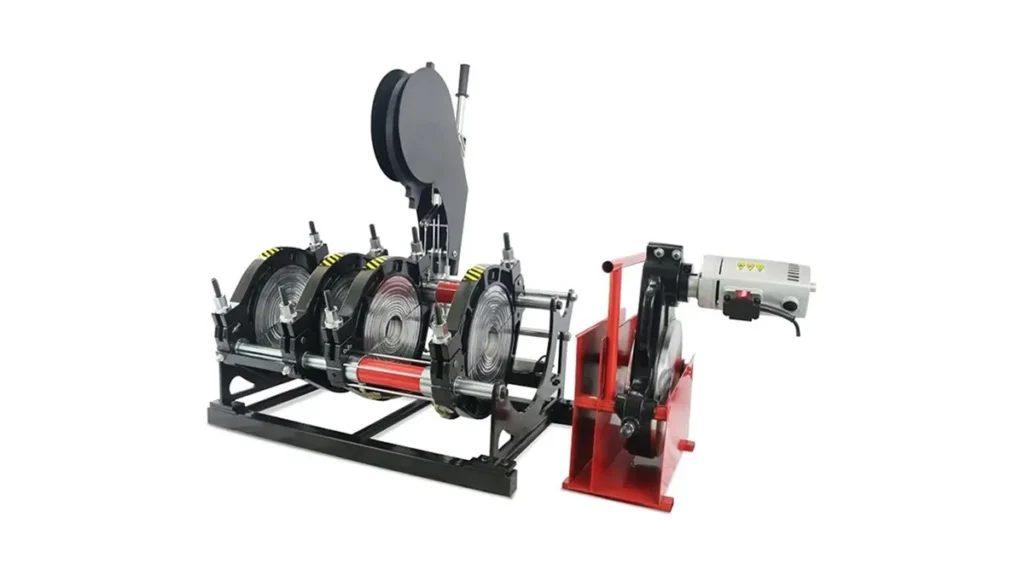
Choosing the right butt fusion machine factory in Mexico requires balancing cost, local support, and long-term reliability. This guide helps procurement managers, municipal engineers, and contractors in Mexico evaluate suppliers and select equipment that fits regional needs—from agricultural irrigation projects in Sonora to municipal water upgrades in Mexico City.
Understand Local Project Needs
Project scale: small distribution lines, large-diameter trunk mains, or multi-angle fittings for complex networks demand different machines. Mexican contractors often face heat, dust, and remote-site logistics — choose equipment rated for rugged field use.
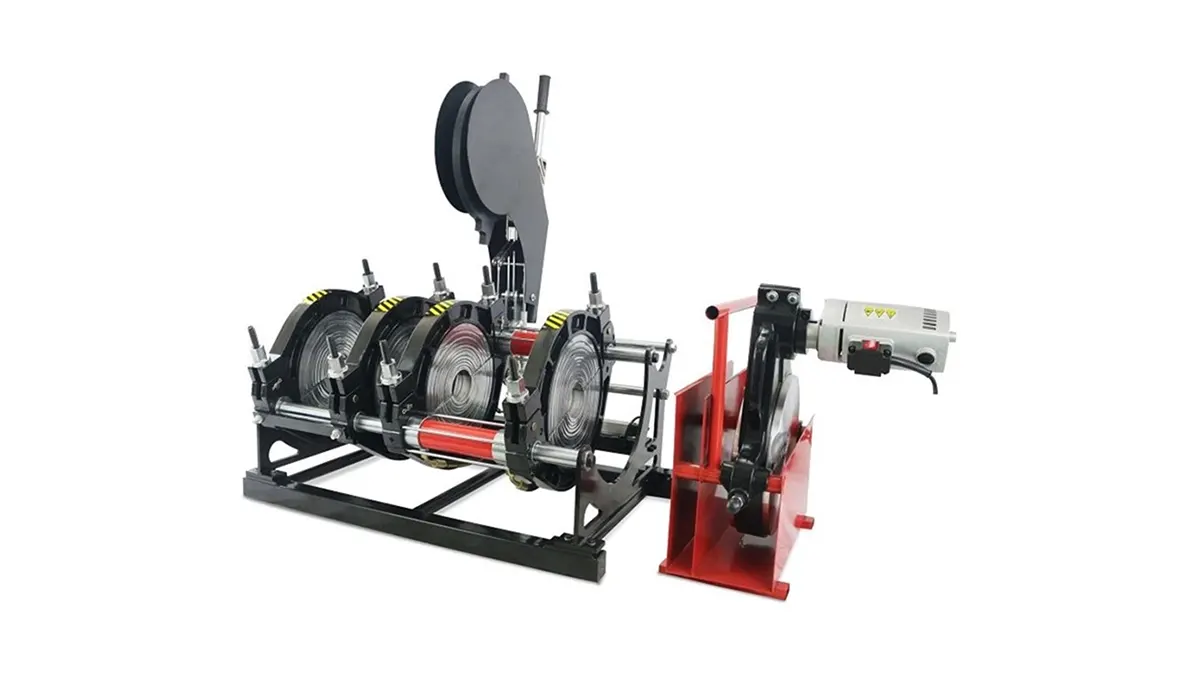
Who in Mexico will use these machines?
Municipal water utilities, gas distribution companies, agricultural irrigation teams, mining operators and civil contractors. Availability of Spanish-language manuals and on-site training is often decisive for fast adoption and lower error rates.
Key Supplier Evaluation Criteria
• Factory capability: production capacity, range of models (manual, hydraulic, CNC automatic), and experience with HDPE pipe diameters you need.
• Quality control: consistent welding quality, documented QC processes, and sample weld reports.
• After-sales support: spare parts availability, warranty, remote technical help in Spanish, and local service partners or fast shipping to Mexico.
• Compliance & documentation: technical manuals, electrical safety certificates, and alignment with Mexican standards (NOM) or project-specific specs.
Types of Butt Fusion Machines — Choose by Application
Manual machines — lightweight, cost-effective for small-diameter lines and remote sites.
Hydraulic frame machines — ideal for medium to large diameters, stable in dusty or uneven Mexican jobsites.
Automatic/CNC machines — best for high-volume pipeline projects requiring repeatable, precise welds and data tracking for quality assurance.
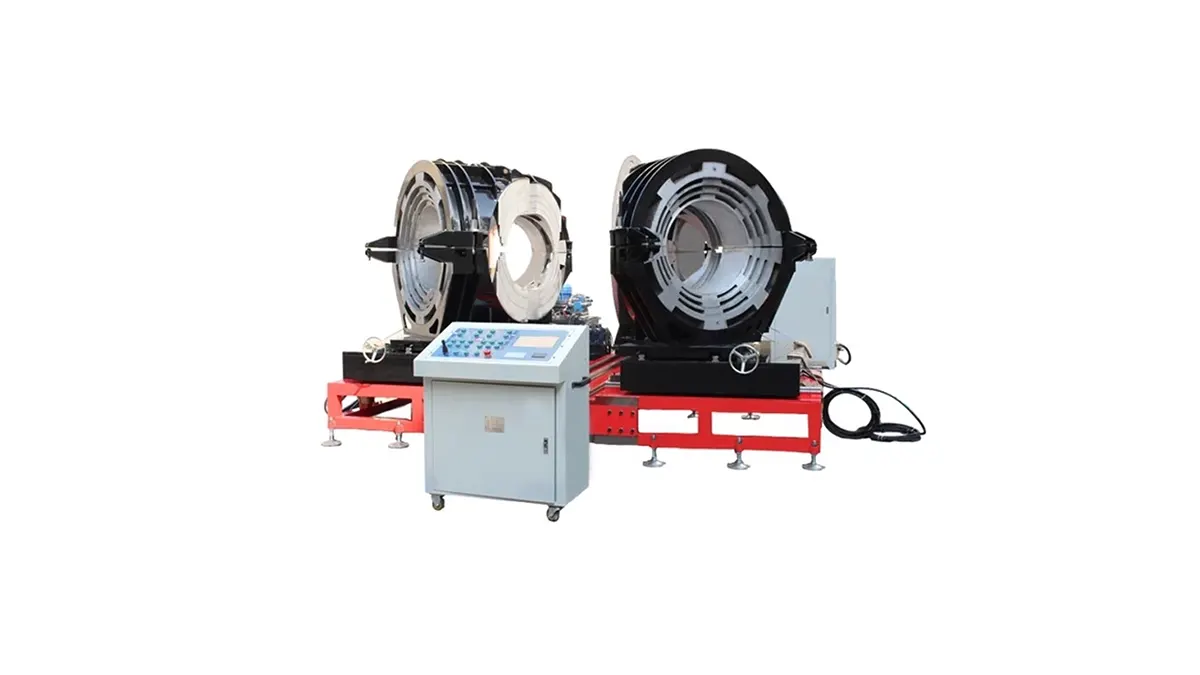
Technical Checklist (Quick Table)
| Feature | Why it matters |
|---|---|
| Pipe diameter range | Ensures machine fits municipal, industrial or irrigation pipes. |
| Heating plate quality | Uniform heating reduces weld defects—critical in hot climates. |
| Control & logging | Data export for QA audits and warranty claims. |
| Spare parts & consumables | Minimizes downtime for projects outside major cities. |
After-Sales Service and Local Logistics
Confirm warranty terms, availability of replacement heating plates, hydraulic seals, and clamping jaws. Ask suppliers about lead times to Mexican ports and customs assistance. Local partner presence or a regional distributor speeds repairs and training.
Budgeting & Return on Investment
Balance initial cost with throughput, energy efficiency, and expected reduction in rework. For public-sector projects in Mexico, tenders often reward suppliers that provide documentation, training in Spanish, and reliable maintenance plans.
How to Verify a Factory
• Request factory photos, production flow, and sample weld reports.
• Ask for references in Latin America; case studies in Mexico are a plus.
• If possible, schedule a factory visit or virtual tour to inspect QA procedures and assembly lines.
Final Tip
For reliable, field-tested HDPE pipe welding solutions, consider suppliers that demonstrate clear QC, Spanish-language support, and a full product range from manual frames to CNC automatic machines. Visit https://jq-fusionwelding.com/ for detailed specifications and contact options.



