
Looking to buy a butt fusion machine in Kenya? Whether you’re a municipal water engineer in Nairobi, a contractor building rural irrigation systems in Kisumu, or a gas distribution project manager near Mombasa, choosing a reliable butt fusion machine factory is a critical step to ensure long-lasting HDPE pipeline performance. This guide explains practical steps to find a trustworthy supplier, what to check on-site and on paper, and shipping and after‑sales considerations specific to Kenya.
Why machine quality matters for Kenyan projects
Kenyan infrastructure projects face harsh site conditions—dusty roads, remote job sites, and variable power. A poor-quality butt fusion welding machine can cause weak joints, rework, and downtime. Prioritize machines that deliver consistent fusion parameters, easy maintenance, and available spare parts locally. Reliable machines reduce total project cost, compliance risks, and interruptions to community water or gas services.
Common machine types and where they fit
Understanding machine categories helps match your project needs:
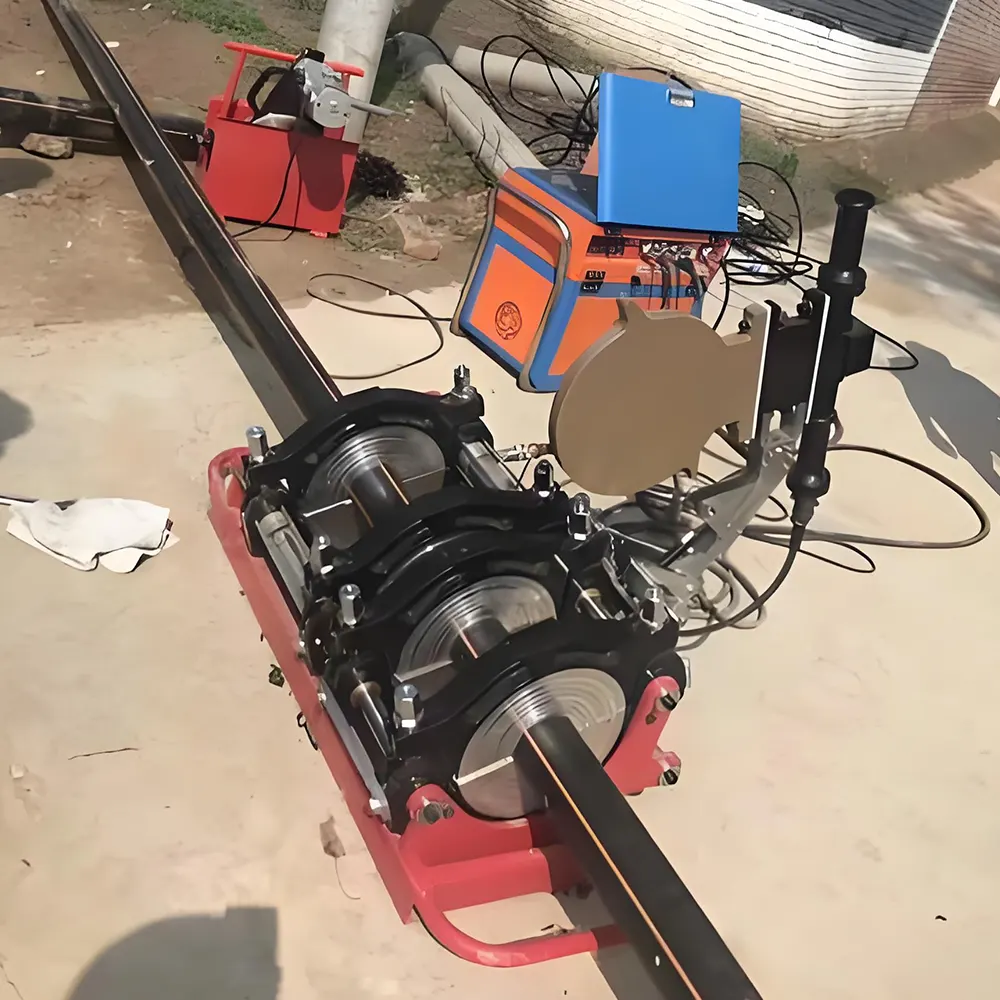
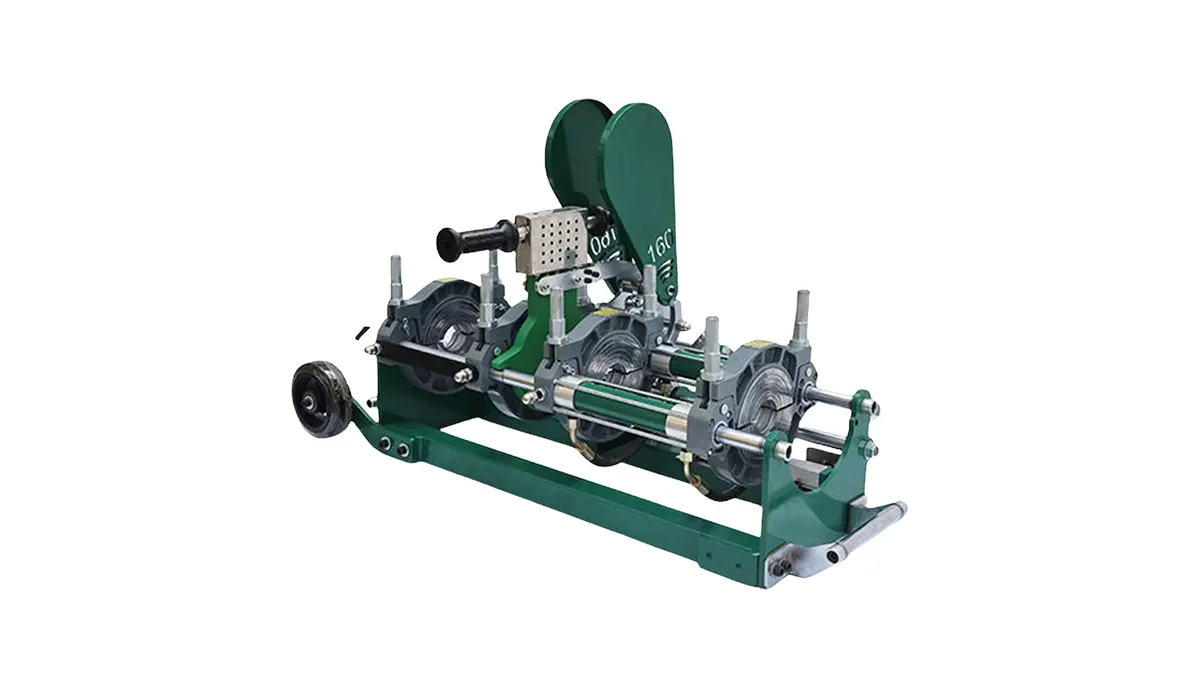
- Manual/Portable machines — ideal for small-diameter pipes and rural teams needing lightweight tools.
- Hydraulic machines — robust choice for medium to large diameters and frequent site use.
- Automatic/CNC machines — best for high‑precision, large projects where data logging and repeatability matter.
| Feature | Manual | Hydraulic | Automatic |
|---|---|---|---|
| Best for | Small repairs, remote sites | Regular site work, larger diameters | Large pipeline projects, data logging |
| Mobility | High | Medium | Low |
| Operator skill | Lower | Medium | Higher (training needed) |
| Price range | Low | Medium | High |
How to vet a butt fusion machine factory
When evaluating potential suppliers, apply a combination of documentation checks, technical validation, and local relevance:
- Verify certifications: ask for ISO, CE or similar manufacturing quality certificates and test reports for heating plates and pressure systems.
- Factory capacity and production photos: confirm they build the model range you need and can customize clamps or frames for local pipe standards.
- Request references and case studies, preferably projects in Africa or similar climates—ask to see photos or videos of field welds.
- Sample welds and training: insist on a demonstration weld or a video of an engineer performing a standardized weld test.
- Spare parts and consumables availability: confirm lead times for O-rings, heaters, trimming tools and heating plates—fast replacement minimizes downtime on Kenyan sites.
Questions to ask technical teams
Good questions reveal competence quickly:
- What instruments are used to control heating temperature and pressure?
- Is data logging available for weld traceability?
- What warranty and field support do you provide for customers in Africa?
Logistics, payments and after‑sales tailored for Kenya
Kenya-specific considerations ensure smooth procurement and operation:
- Shipping routes: most imports arrive via the Port of Mombasa. Confirm the factory’s experience shipping to Kenya and typical transit times.
- Customs & duties: request commercial invoices with clear HS codes and partized packaging lists to speed customs clearance.
- Payment terms: negotiate TT, L/C options, or staged payments with clear delivery milestones. Factor currency exchange and bank fees.
- Local training & service: prioritize factories that offer on-site commissioning, operator training in English (and Swahili summaries if possible), and remote troubleshooting.
After-sale support checklist
Before signing, ensure the supplier provides:
- A clear spare parts price list and typical lead times to Kenya;
- Warranty terms and what is covered on consumable components;
- Training materials, user manuals, and recommended maintenance schedules;
- Remote support options—phone, email, and video calls for emergency troubleshooting.
Quick buyer’s checklist
Ready-to-use checklist to send to suppliers:
- Model and pipe diameter range required
- Certifications and weld test records
- Spare parts list and local stocking plan
- Shipping terms to Mombasa and estimated lead time
- Training and commissioning offer
For Kenyan buyers, balancing machine performance, local serviceability, and clear logistics will yield the best long-term results. If you want to evaluate a proven manufacturer with a wide range of HDPE butt fusion solutions, consider contacting JQ-Fusion at https://jq-fusionwelding.com/ for product specs, test reports, and shipping options to Kenya.



