
Jordan’s growing infrastructure projects—from Amman municipal water upgrades to pipeline works in Aqaba and the northern governorates—need dependable HDPE welding equipment. Finding a trusted butt fusion machine factory and supplier that understands local project timelines, climate impacts, and import logistics is essential for contractors, municipal engineers, and oil & gas operators across the country.
Where to Start: Local Needs and Project Profiles in Jordan
Identify the primary uses for butt fusion machines on your site: potable water distribution, gas networks, sewer systems, or industrial process piping. In Jordan, seasonal temperature swings and occasional dust conditions make robust heating plates and sealed hydraulic units more desirable. Prioritize machines with proven field records for reliability and repeatable joint quality.
Key stakeholders who should evaluate suppliers
Contractors—need easy-to-service machines and fast spare parts. Municipal teams—seek predictable warranties and training. Importers and distributors—require competitive lead times and clear customs documentation for Jordan.
How to Identify Reliable Butt Fusion Machine Suppliers
Look for factories that offer:
- Clear technical specifications (pipe range, pressure rating, heating plate diameter).
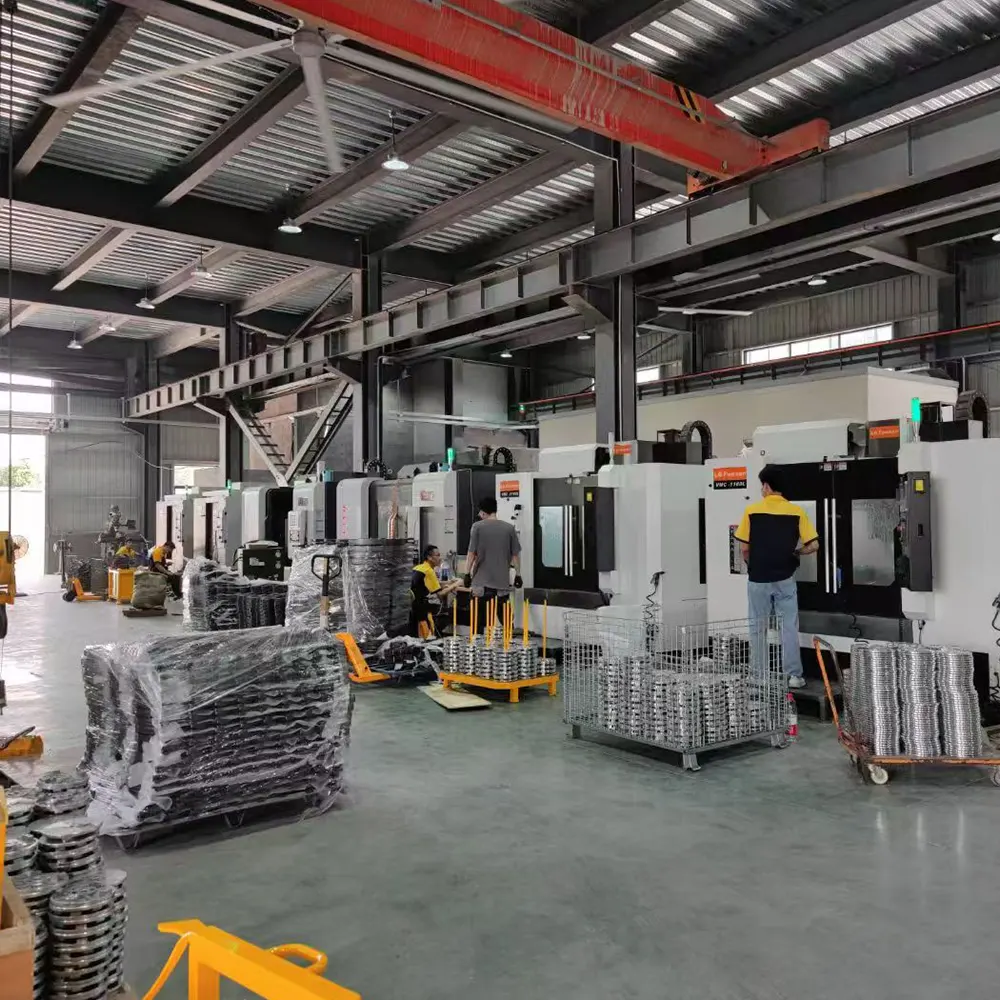
- Quality management and production photos showing frames, clamps, and heating elements.
- After-sales support options including spare parts, service training, and remote technical assistance.
- Export experience to the Middle East to minimize customs delays and ensure proper packaging for Jordan’s ports.
Red flags to avoid
Vague specifications, missing test reports, or suppliers unwilling to share references from previous projects in hot, dusty climates similar to Jordan.
Comparing Butt Fusion Machine Types
| Machine Type | Best For | Pipe Range | Advantages |
|---|---|---|---|
| Manual Butt Fusion | Small jobs, remote sites | 16–315 mm | Portable, low cost, simple maintenance |
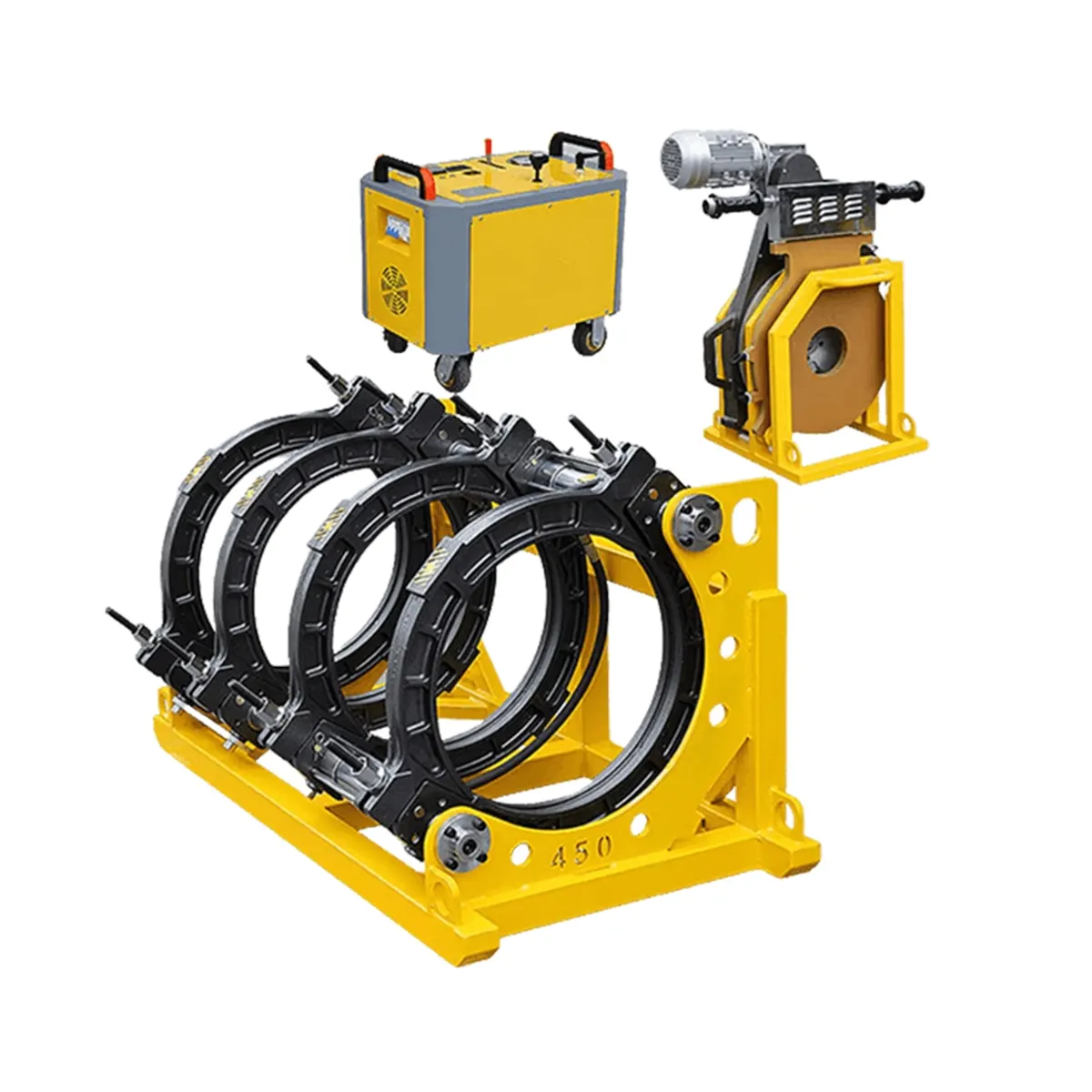
| Hydraulic Butt Fusion | Medium to large distribution networks | 63–1200 mm+ | High clamping force, stable welds, suited to harsh environments |
| Automatic CNC Butt Fusion | High-volume, precision pipeline construction | Mostly 160–630 mm | Repeatable weld cycles, digital control, data logging |
| Multi-Angle / Fitting Machines | Prefabrication of fittings and manifolds | Varies by model | Efficient for complex assemblies and off-site fabrication |
Quality Checks, Certifications & Test Reports
Request weld test records, ISO production certificates, and calibration logs for heating plates and pressure systems. For Jordan projects, documentation demonstrating compliance with international HDPE welding standards (e.g., ISO 21307 for butt fusion) and material traceability will simplify approvals with municipalities and utility owners.
On-site commissioning and training
Choose suppliers that provide on-site or virtual commissioning support and operator training focused on local conditions—temperature compensation, joint cooling times, and dust control best practices.
Logistics, Spare Parts and Local Support in Jordan
Plan for spare parts stocking (heating plates, cartridges, clamps) and select suppliers who can ship quickly to Amman or Aqaba with clear HS codes and packing lists. For long-term projects, negotiate a spare-parts kit and a defined response time for technical queries to reduce downtime.
Warranty, service plans, and ROI
Compare warranties, available service contracts, and average mean-time-between-failures (MTBF) metrics. A slightly higher initial investment in a robust hydraulic or CNC unit often yields a better ROI through reduced rework and faster weld cycles.
Contact for reliable supply
For dependable butt fusion equipment and tailored solutions for Jordanian projects, visit JQ-Fusion to review models, stock availability, and export experience.



