
Ghana’s infrastructure growth — from urban water networks in Accra and Kumasi to mining and rural irrigation projects — is increasing demand for reliable butt fusion machines for HDPE pipe welding. Choosing the right supplier ensures durable welds, fewer delays at customs, and reliable after-sales support on the ground.
Why Ghana Needs Trusted Butt Fusion Equipment
Large-scale water supply upgrades, expanding gas distribution, and mining operations across Ghana require consistent, high-quality HDPE pipe joins. Contractors and municipal engineering teams need machines that perform well in tropical conditions, are serviceable locally, and match Ghana’s standard power supply (230V, 50Hz). A dependable supplier reduces rework, minimizes downtime, and improves long-term pipeline integrity.
How to Find a Reliable Supplier in Ghana
Look for a supplier or manufacturer that can meet local project realities. Key selection points include:
- Local presence or authorized distributor: Faster spare parts delivery and on-site technical assistance.
- Proven references in Africa or projects similar to Ghana’s environment and regulations.
- Clear documentation: welding procedures, QA/QC records, and operator training programs.
- Warranty terms, maintenance plans, and availability of consumables (heating plates, scrapers, clamps).
- Export experience: reliable shipping, correct packaging, and guidance for Ghana Customs (Tema/Takoradi).
- Compatibility with Ghana power systems (230V/50Hz) or clear options for local adaptors and diesel-powered units.
Models to Consider for Ghanaian Projects
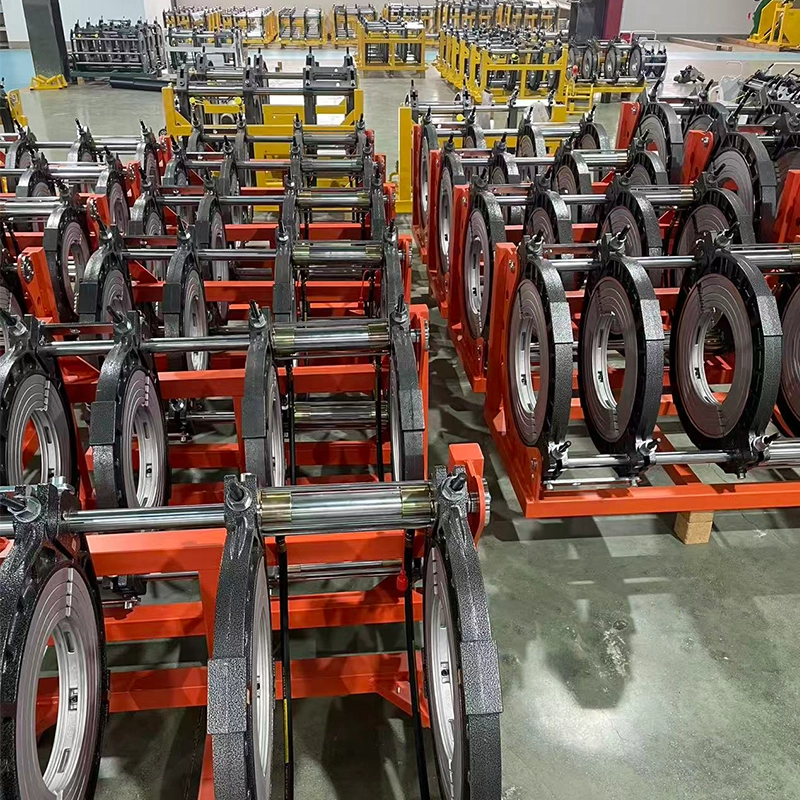
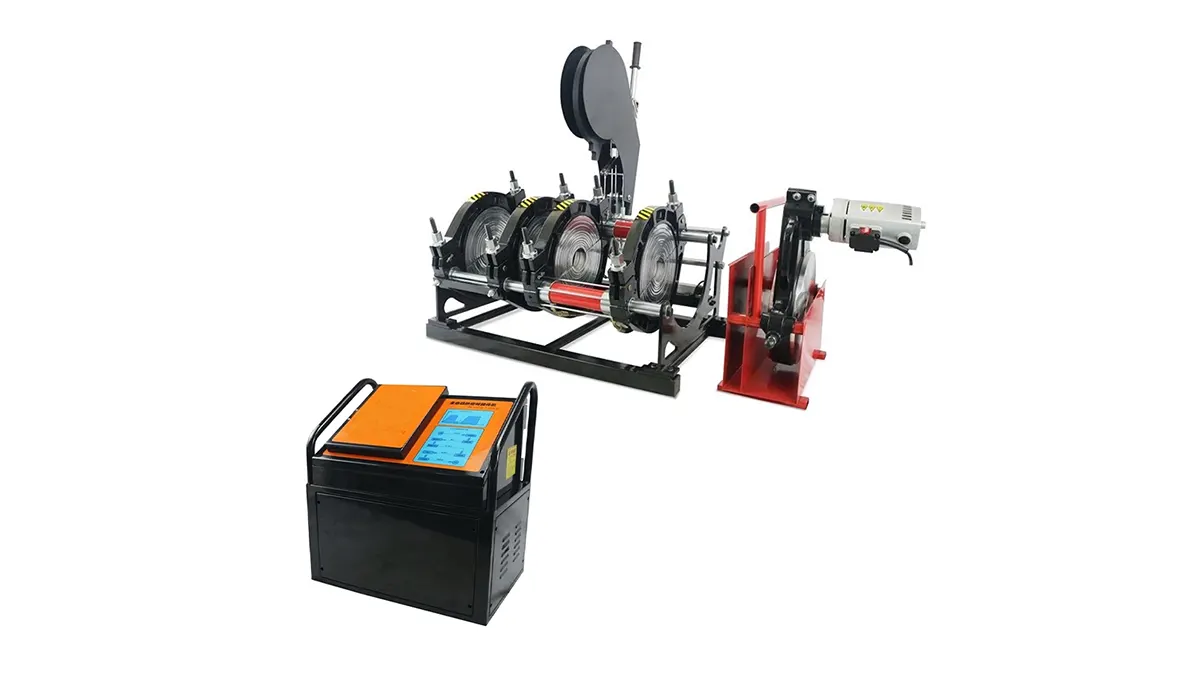
Different project scales call for different butt fusion solutions. For small rural water networks, compact manual machines are cost-effective. For municipal and industrial pipeline work, hydraulic and CNC automatic units deliver repeatable, documented welds for higher throughput. Always match pipe diameter range and site logistics when choosing.
| Machine Type | Best For | Pipe Range | Primary Advantage |
|---|---|---|---|
| Manual Butt Fusion | Small jobs, remote sites | 20–315 mm | Low cost, portable |
| Hydraulic Butt Fusion | Municipal & industrial | 63–1600 mm | Stronger clamping, consistent pressure |
| Automatic / CNC Fusion | High-volume, critical pipelines | 63–1600+ mm | Programmable cycles, traceable records |
Questions to Ask Before You Buy
Prepare a shortlist and ask suppliers these critical questions:
- Can you provide project references in Ghana or West Africa?
- What spare parts are stocked locally and what is typical lead time?
- Do you offer operator training and welding procedure documentation?
- What are the warranty terms and how is field support handled?
- Which models are most suitable for Ghana’s climate, site access, and power supply?
- What are the shipping Incoterms, and can you handle customs clearance advice for Tema Port?
Practical Buying Tips for Ghanaian Buyers
Work with suppliers who can demonstrate experience exporting to Ghana, provide recommended welding procedures, and supply spare-parts kits with the initial order. Coordinate delivery to major ports (Tema, Takoradi) and confirm tax/import duties in advance. For contractors operating in remote districts, prioritize portability and easy maintenance. For municipal or industrial clients, prioritize machines with data logging and repeatability.
A Reliable Manufacturer Example
One manufacturer experienced in HDPE welding equipment and global projects is JQ-Fusion, which supplies manual, hydraulic, and CNC automatic butt fusion machines and supports international infrastructure deployments.
If you’re sourcing butt fusion machines for Ghana, request a datasheet, ask for local or regional references, and plan for training and spare parts to ensure continuous, high-quality pipeline installation.



