
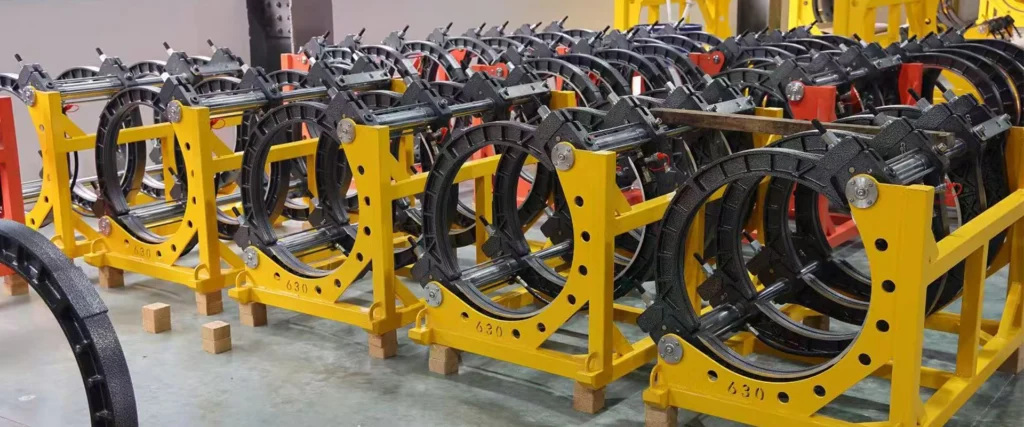
Looking for reliable butt fusion welding equipment in Zambia? Whether you are working on water supply networks in Lusaka, gas distribution projects, or heavy-duty mining pipelines in the Copperbelt, choosing the right butt fusion machine is critical for long-term performance and safety.
Why the right butt fusion equipment matters in Zambia
Local climate, site conditions, and industry uses in Zambia — from remote village waterworks to large-scale mining operations — affect equipment selection. Machines must withstand dusty, hot environments, be serviceable near major cities like Lusaka and Ndola, and match local power systems (typically 230V 50Hz). Reliable welds reduce leaks, rework, and costly downtime for municipal and private contractors.
Common machine types and where they fit best
- Manual butt fusion — low-cost, portable, ideal for small-diameter pipe repairs or field teams working in rural areas.
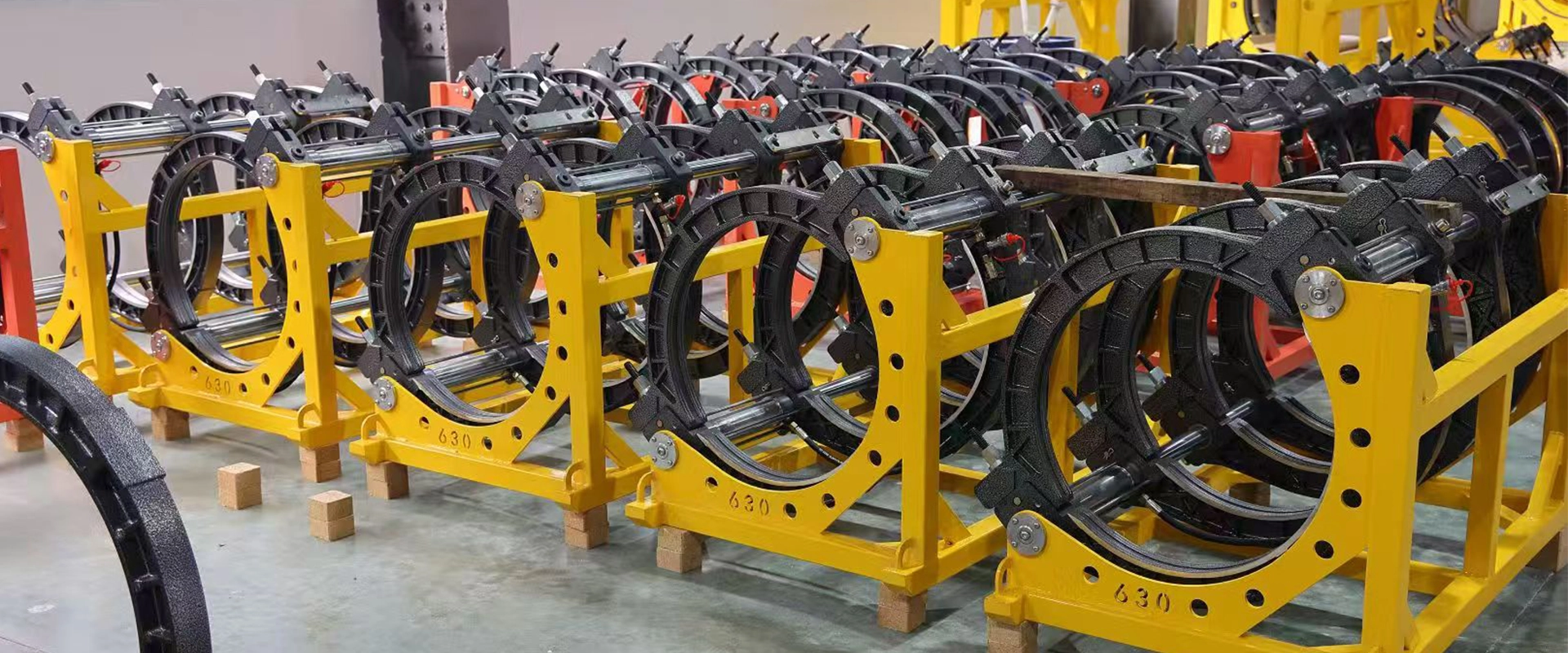
- Hydraulic butt fusion — robust for medium to large diameters; commonly used in municipal mains and industrial pipelines.
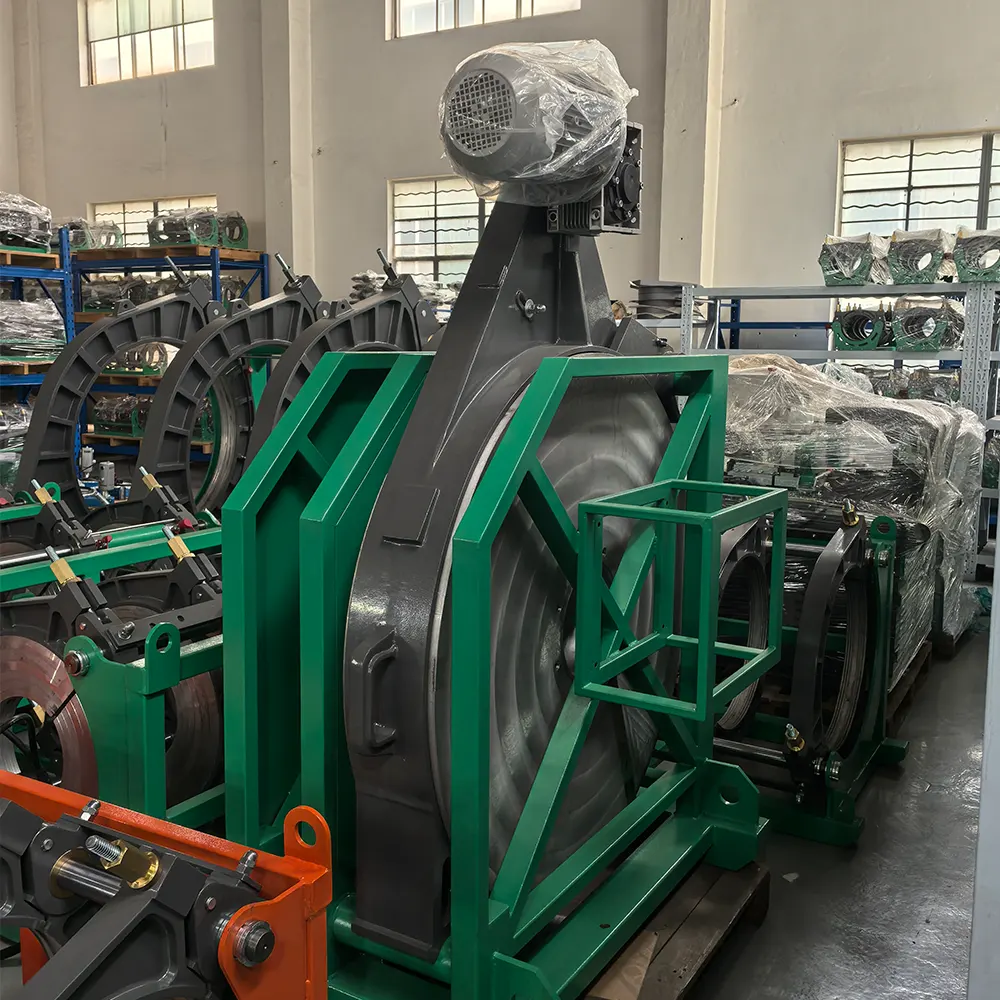
- Automatic/CNC butt fusion — precision welding for factory or major pipeline projects with repeatable cycles and data logging.
- Electrofusion — perfect for fittings, connections, and repairs where fusion collars are used rather than butt welding.
Quick comparison: Which machine suits your project?
| Machine Type | Diameter Range | Best For | Key Advantage |
|---|---|---|---|
| Manual Butt Fusion | 16mm–315mm | Rural repairs, small projects | Portable & cost-effective |
| Hydraulic Butt Fusion | 63mm–2000mm+ | Municipal & industrial mains | High clamping force & stability |
| Automatic / CNC | 63mm–1600mm | Large projects, repeatable welds | Precision control & data logging |
| Electrofusion | 20mm–630mm | Fittings, repairs, branch connections | Fast, reliable fitting joints |
How to source butt fusion machines in Zambia
Buyers in Zambia typically use one of these routes:
- Import directly from an international manufacturer or factory representative — ideal for custom specs and bulk orders.
- Purchase through an authorized distributor in Southern Africa for faster service and local inventory.
- Rent or lease equipment from local rental houses for short-term projects or pilot programs.
- Work with local engineering contractors who supply equipment as part of project bids — useful for turnkey projects.
Practical procurement checklist for Zambia buyers
- Verify electrical compatibility (230V 50Hz) and, if needed, ask for voltage options or frequency converters.
- Request certification and quality documents (ISO, manufacturing test reports) and reference weld records.
- Confirm availability of spare parts and local service or fast shipping to Lusaka/Ndola.
- Ask about on-site training or operator certification to ensure consistent weld quality.
- Compare warranty terms, repair turnaround, and whether technicians can be dispatched to Zambia.
- Consider rental while evaluating long-term purchases, especially for seasonal or one-off jobs.
Maintenance, skills and long-term reliability
Preventive maintenance keeps fusion machines accurate: regular cleaning, calibration of heating elements, inspection of clamps and hydraulic systems, and stored spare heater plates. Train local operators on fusion parameters, joint inspection, and documentation. For mining and municipal teams working far from major service centers, keep a basic spare kit (heater plate, scraper blades, seals) on hand to avoid prolonged downtime.
A recommended partner for procurement
For direct factory support, product range, and global shipping options consider contacting JQ-Fusion at https://jq-fusionwelding.com/ for manual, hydraulic and automatic butt fusion solutions.
Next steps for Zambian buyers
Get quotes for the machine type that matches your project scope, request shipping and customs estimates to Zambia, ask for operator training options, and verify after-sales support in Southern Africa. Proper selection and local capability development will ensure durable pipeline systems and fewer costly repairs down the line.



