
Choosing the best butt fusion machine company in the United States means balancing durability, service, compliance, and cost. For municipalities, pipeline contractors, and utility owners, the right supplier can reduce downtime, improve weld quality, and ensure long-lasting HDPE pipe installations across water, gas, and industrial projects.
Why U.S. Buyers Care About Machine Selection
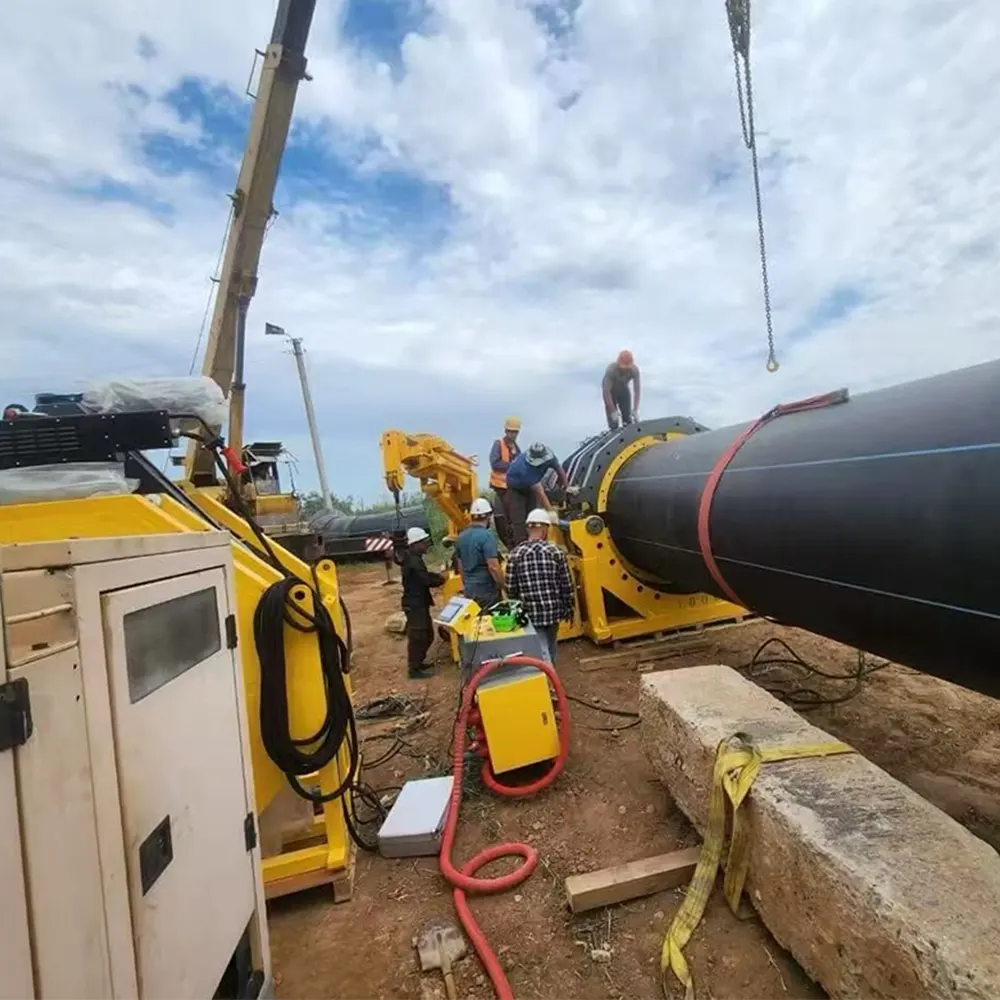
Performance in diverse climates — from cold northern states to humid southern regions — is essential. American contractors also expect machines that meet industry standards like ASTM F2620 for butt fusion practice and provide clear traceability and operator-friendly controls. Ease of transport, field service networks, and spare-parts availability matter as much as raw technical specs.
Top Features U.S. Contractors Should Prioritize
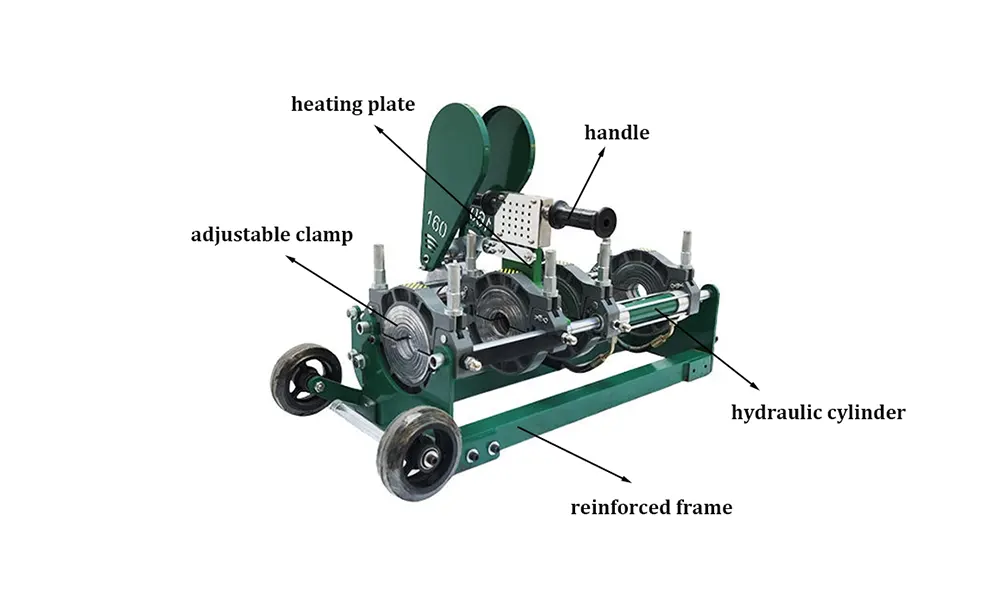
Robust frame and clamps — to hold large-diameter HDPE pipes steady on uneven job sites. Reliable heating plates and precise temperature control for consistent bead formation. User-friendly interfaces and data logging for QA/QC records that U.S. agencies and owners require.
Service, Certification & Local Support
Look for suppliers who can support American schedules: responsive technical support, training options for crews, and shipping that fits project timelines. Machines shipped with calibration certificates and clear maintenance procedures help meet procurement and warranty expectations.
Comparing Machine Types (Quick Table)
| Machine Type | Best For | Typical Pipe Range | Key Benefits |
|---|---|---|---|
| Manual Butt Fusion | Small crews, remote jobs | 20–160 mm | Lightweight, low cost, portable |
| Hydraulic Butt Fusion | Utility contractors, medium to large pipes | 160–1600 mm+ | High clamping force, reliable in heavy-duty work |
| CNC / Automatic Butt Fusion | Production yards, continuous pipeline projects | 160–2250 mm+ | Precision, automated cycles, built-in QA logging |
How to Evaluate a Manufacturer
Inspection checklist for U.S. buyers: build quality, compliance documentation, spare-parts lead times, operator training availability, and field-service capability. Request example weld logs and FAT photos. For large programs, ask about capacity to supply matched sets and serialized traceability.
Key Questions to Ask Suppliers
Does the machine come with calibration & traceable certificates? What is the expected lead time for spare parts on major components? Is on-site training or remote support available? Can the supplier provide references from U.S. projects?
A Practical Recommendation
For contractors seeking a balance of product range, global experience, and customizable solutions, consider manufacturers with a broad lineup — manual, hydraulic, and automatic butt fusion equipment — and strong production testing. Learn more from the manufacturer’s official site: https://jq-fusionwelding.com/
Final Buying Tips for the U.S. Market
Plan for seasonal challenges (cold-weather preheating and site sheltering), confirm warranty coverage for exported equipment, and budget for operator certification. A well-documented selection process reduces risk and ensures weld quality that stands up to U.S. regulatory and owner requirements.
Next Steps
Get sample weld logs, compare warranties, and arrange a machine demo — either on-site or via video. Testing a machine under realistic U.S. jobsite conditions is the most reliable way to decide which supplier meets your program needs.



