
Choosing the right butt fusion machine supplier in Ukraine requires balancing equipment performance, after-sales support, and local conditions. This guide helps contractors, utilities, and pipeline installers across Ukraine evaluate suppliers, compare machine types, and make decisions that protect long-term pipeline integrity and project budgets.
Understand Your Project Needs
Start by defining the typical applications in Ukraine: municipal water networks in cities like Kyiv and Lviv, rural irrigation systems, gas distribution upgrades, and mining or industrial pipelines in eastern and central regions. Consider pipe material (HDPE grades), nominal diameters, and site conditions. Cold winters and seasonal ground movement in parts of Ukraine increase the demand for reliable welds and machines that perform consistently in low temperatures.
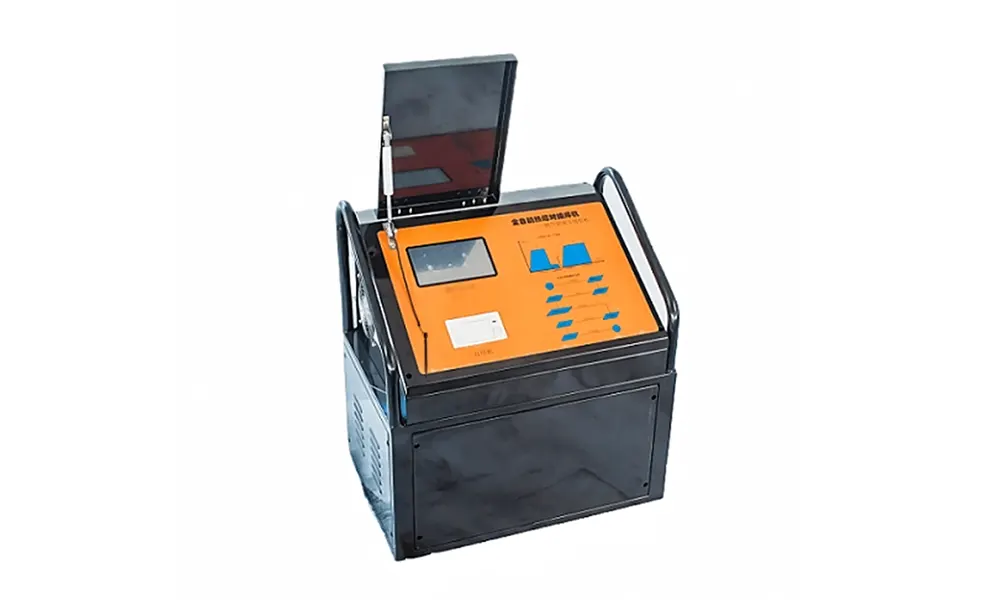
Key technical variables to define
Pipe size range: from small service lines to large-diameter trunk mains. Work environment: outdoor, remote, or workshop. Production speed vs precision: manual machines for occasional repairs; automatic for high-volume projects.
Compare Machine Types
There are three mainstream butt fusion machine types to consider — manual, hydraulic, and CNC automatic. Each has trade-offs for cost, training, and throughput. Match machine class to your project pipeline diameter and frequency of use to maximize ROI.
| Type | Best for | Pipe diameter | Advantages |
|---|---|---|---|
| Manual | Repairs, small contractors | 20–315mm | Low cost, portable |
| Hydraulic | Medium to large projects, stable output | 63–1200mm+ | Higher clamping force, good for fieldwork |
| CNC Automatic | Large-scale, precision-critical pipelines | 110–2250mm | Consistent quality, data logging |
Verify Certifications and Standards
Ukrainian projects often require compliance with regional or international standards (DSTU, ISO, CE). Insist on welding machines and documentation that meet recognized welding procedures and calibration records. Machines with digital recording or traceability features are increasingly preferred for municipal and gas network tenders.
After-Sales Support in Ukraine
Local support is critical. Check whether the supplier offers:
• Spare parts availability and shipping times to Ukrainian ports and inland locations.
• On-site commissioning and operator training in Ukrainian, Russian, or English.
• Remote troubleshooting and replacement component kits for winter emergency repairs.
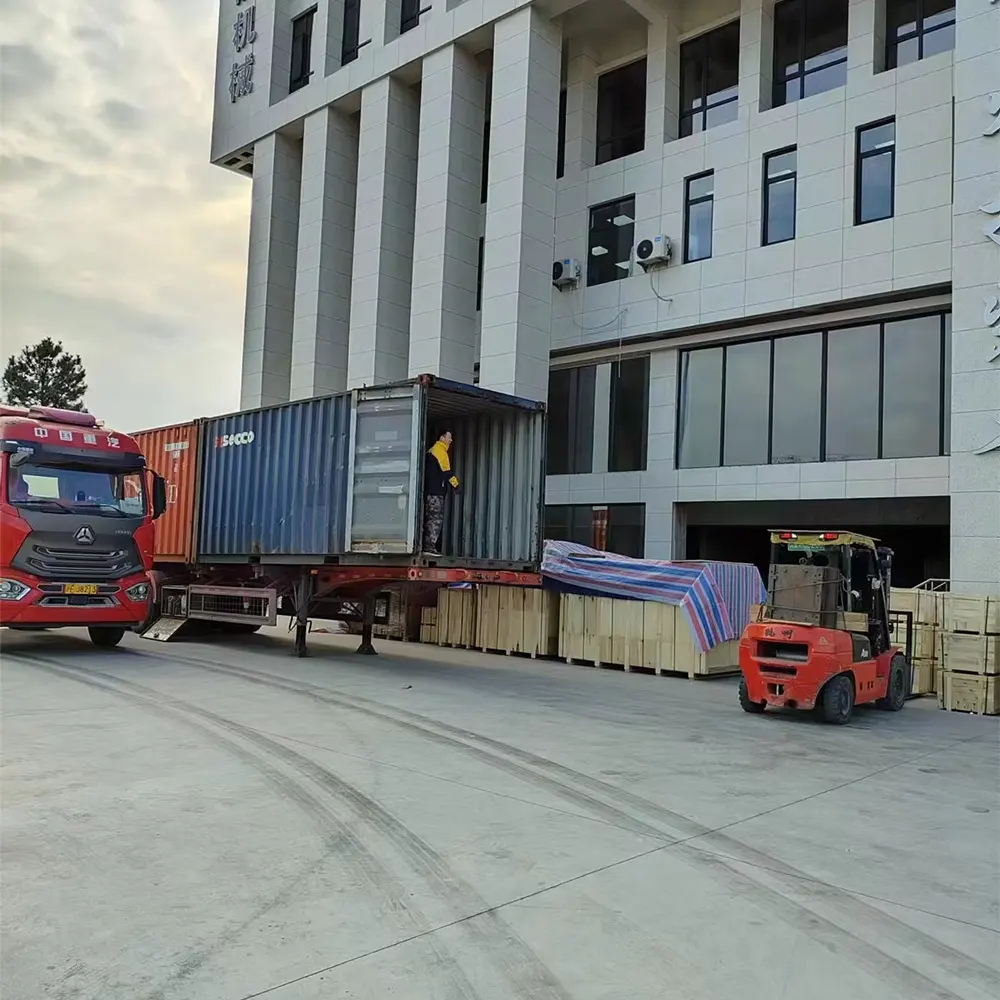
Practical logistics considerations
Confirm lead times, export documentation, and customs support. Suppliers familiar with Ukraine’s import procedures can reduce downtime and avoid costly delays, especially for large hydraulic or CNC systems.
Service, Training, and Warranty
Prefer suppliers who provide clear warranty terms, maintenance plans, and training packages. Operator training lowers weld rejection rates and extends equipment life. Ask for sample maintenance schedules and remote support options.
Total Cost of Ownership (TCO)
Price is only one factor. Calculate TCO including consumables, spare parts, expected uptime, training costs, and residual value. Automatic machines often cost more upfront but reduce weld failures and rework on critical pipelines.
Questions to ask prospective suppliers
• Can you provide references from Ukrainian or Eastern European projects?
• What parts are commonly replaced and how quickly can they be supplied?
• Do you offer local training or partners for field support?
• Is calibration and certification included with delivery?
Why Manufacturer Transparency Matters
Request clear technical specs, welding procedure specifications (WPS), and performance data. A transparent supplier provides inspection reports, test welds, and documentation that simplifies local approvals and tender submissions.
Choosing a Reliable Partner
For many Ukrainian buyers, a balanced choice is a supplier that combines proven equipment ranges, responsive after-sales service, and an understanding of local conditions. One such global manufacturer with a broad product line and experience supplying HDPE butt fusion solutions is JQ-Fusion (https://jq-fusionwelding.com/), offering manual, hydraulic, and CNC automatic machines for a wide range of pipe diameters.
Final checklist before purchase
• Confirm machine type matches project scale and pipe diameters.
• Verify standards, certifications, and sample documentation.
• Check spare parts lead times to Ukraine and local support options.
• Review warranty, training, and maintenance packages.
• Compare TCO not just initial price.
Making an informed choice reduces risk, ensures pipeline longevity under Ukraine’s climate and regulatory environment, and improves project timelines. Prioritize suppliers who provide clear technical evidence, rapid support, and a local understanding of logistics and standards.



