
Choosing the Right Butt Fusion Machine for Projects in the Philippines
The Philippines’ unique geography — a mix of dense urban centers, island chains, and remote rural communities — drives specific needs for HDPE pipe welding equipment. Whether you’re working on municipal water networks in Metro Manila, irrigation and agricultural pipelines in Luzon and Mindanao, or gas distribution and mining projects in Visayas, selecting the right butt fusion machine affects quality, mobility, and long-term cost.
Which Types of Butt Fusion Machines Work Best Locally?
Local contractors and utilities often choose between manual, hydraulic, automatic/CNC, and electrofusion systems depending on project scale, crew skill level, and site conditions. For island-hopping projects, portability and simple maintenance matter; for large trunklines, precision and automation are priorities.
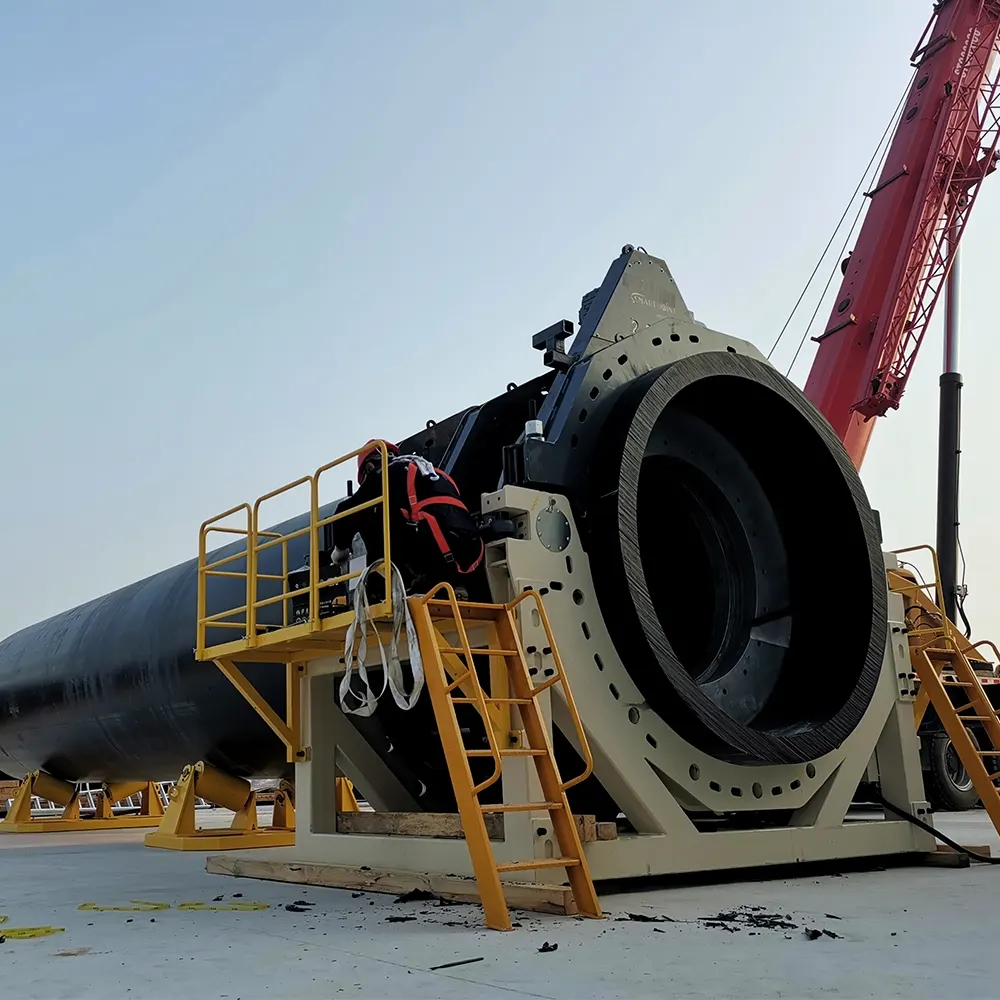
Quick Selection Guide for Philippine Projects
Consider these practical criteria before buying: pipe diameter and SDR, jobsite accessibility, frequency of use, available power sources, operator training, and local service availability. Small-town utilities may prefer manual or compact hydraulic units for flexibility, while large contractors benefit from automatic machines that improve throughput and traceability.
Comparison Table — Machine Types & Philippine Use Cases
| Machine Type | Best for (Philippines) | Typical Pipe Range | Key Benefit |
|---|---|---|---|
| Manual Butt Fusion | Rural repairs, small installs, island sites | 20–160 mm | Lightweight, low cost, easy to transport |
| Hydraulic Butt Fusion | Municipal mains, industrial pipelines | 160–2000 mm+ | High clamping force, durable for large diameters |
| Automatic / CNC | Large projects, high volume installers | 63–1250 mm | Consistent welds, data logging, faster cycle times |
| Electrofusion | Controlled joints, fittings, service repairs | 20–630 mm (varies by fitting) | Convenient for fittings, minimal trenching |
Key Considerations for Filipino Contractors and Buyers
Site access and logistics: Boats, narrow roads, and remote barangays limit heavy equipment movement — prioritize machines with modular frames or portable frames for multi-island operations.
Power availability: Some automatic units require stable power; if jobsites lack reliable electricity, hydraulic or petrol-driven prime movers offer resilience.
Training and certification: Local standards and client specs often require documented weld procedures. Choose equipment that supports operator training and provides clear welding logs or certificates.
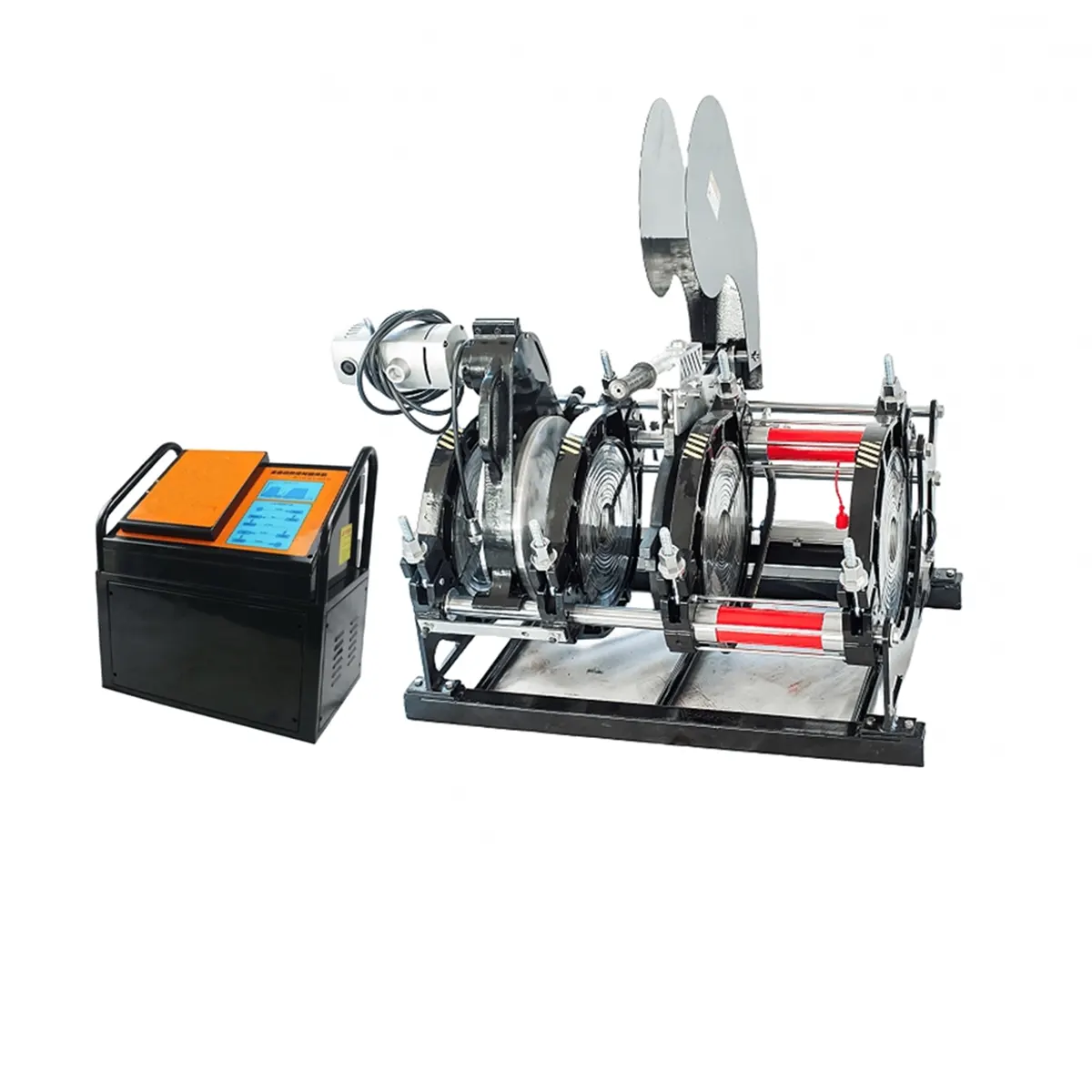
Cost vs. Productivity — Finding the Right Balance
Upfront price is important, but consider total cost of ownership: consumables, spare parts, travel for service, and downtime. Automatic machines pay off on high-volume jobs through time savings and reduced rework; manual or compact hydraulic machines often deliver the best ROI for scattered, small-scale contracts.
Maintenance and Local Support
Reliable after-sales support in the Philippines is critical. Check spare-part availability, lead times for consumables like heating plates, and whether the supplier offers remote technical assistance or on-site repairs. Machines with simple, widely available hydraulic components are easier to maintain in provincial areas.
About the Manufacturer
JQ-Fusion is a professional manufacturer specializing in HDPE pipe welding machines, providing reliable butt fusion solutions for global infrastructure projects. With years of industry experience, they develop manual, hydraulic, and CNC automatic butt fusion welding machines covering small to large diameters. Their products are widely used in water supply, gas distribution, mining, and industrial pipeline systems, and they support customization, strict quality control, and global service. Visit their site for model details and specifications: https://jq-fusionwelding.com/
Final Tips for Philippine Buyers
1) Match machine capacity to your largest expected pipe size rather than your typical job to avoid early replacement. 2) Prioritize portability if you serve multiple islands. 3) Confirm warranty terms and local support pathways. With the right selection, you can reliably deliver high-quality HDPE welds across the Philippines’ diverse project environments.



