
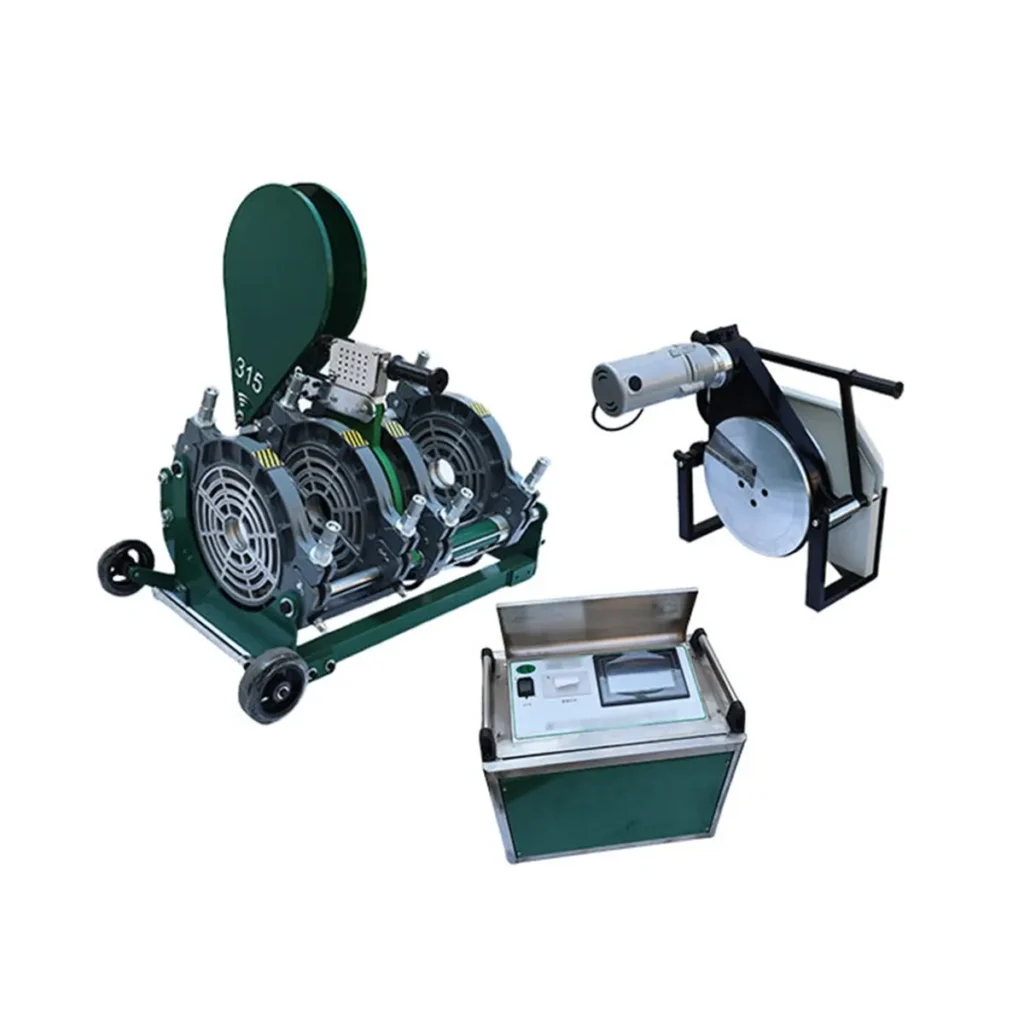
Choosing the best butt fusion machine company in Italy means balancing local regulations, project scale, and long-term service. This guide highlights the practical criteria Italian contractors, municipal engineers, and utility installers should use to evaluate suppliers of HDPE butt fusion welding equipment.
Understand Italian market needs
Italy’s infrastructure projects range from urban water networks in Milan and Rome to rural irrigation systems in Tuscany and Sicily. When selecting a supplier, prioritize companies that demonstrate experience with projects across varied terrains and climates, and who understand EU and Italian standards for gas and water pipelines.
Key evaluation criteria
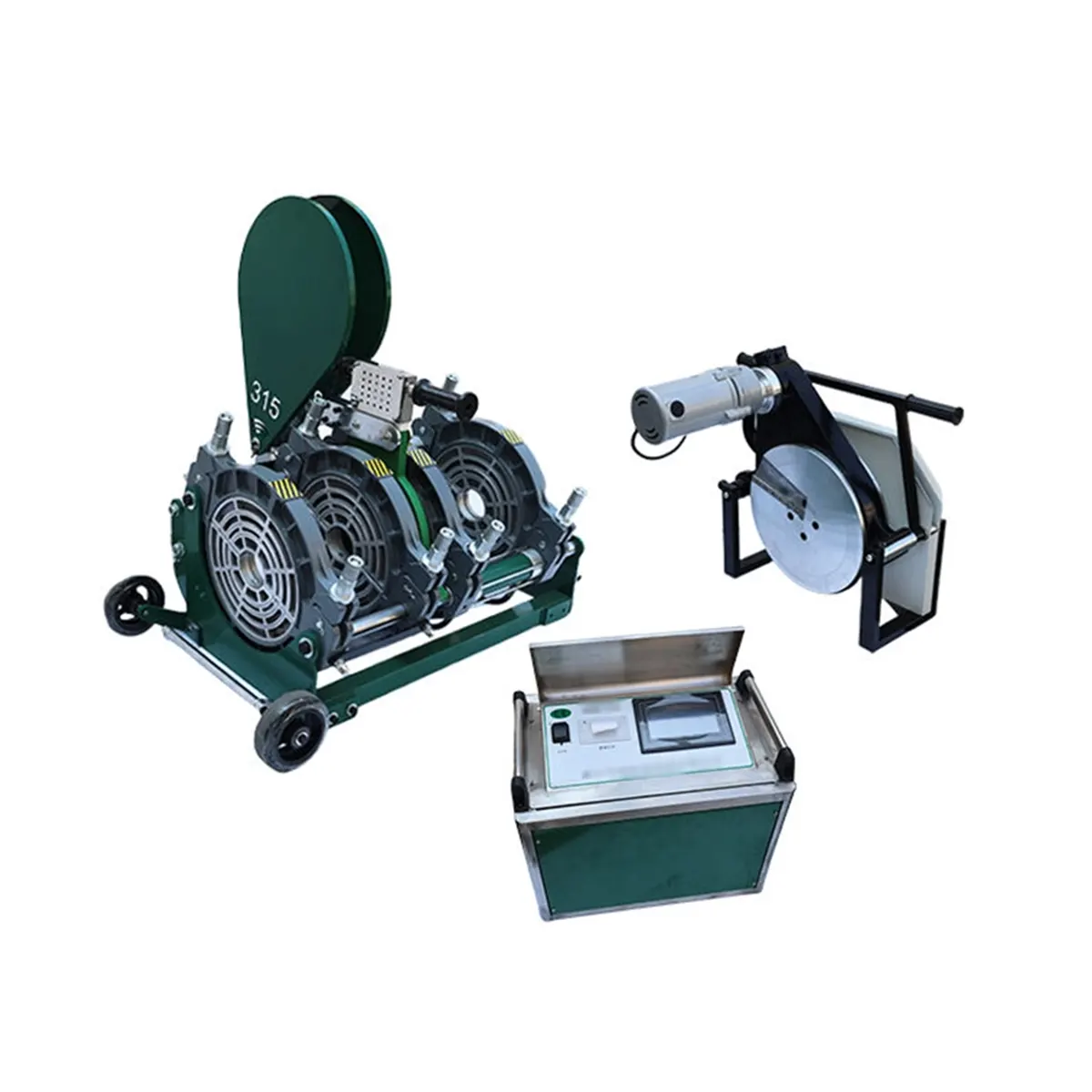
1. Product range and compatibility — Look for suppliers offering manual, hydraulic, and CNC automatic butt fusion machines that cover the pipe diameters you use most. Versatility reduces the need for multiple vendors.
2. Compliance & certifications — Machines and processes should comply with CE marking, ISO quality management, and ideally EN standards relevant to PE piping. Compliance is critical for public tenders and insurance requirements.
3. After-sales support & training — Fast spare parts supply, local technical support, and operator training make a huge difference to uptime. Ask for documented training programs and response-time SLAs.
Performance metrics to request
Request datasheets showing heating plate accuracy, clamping force range, cycle repeatability, and typical weld time per diameter. These numbers help estimate productivity and lifecycle cost.
Compare machine types (quick reference)
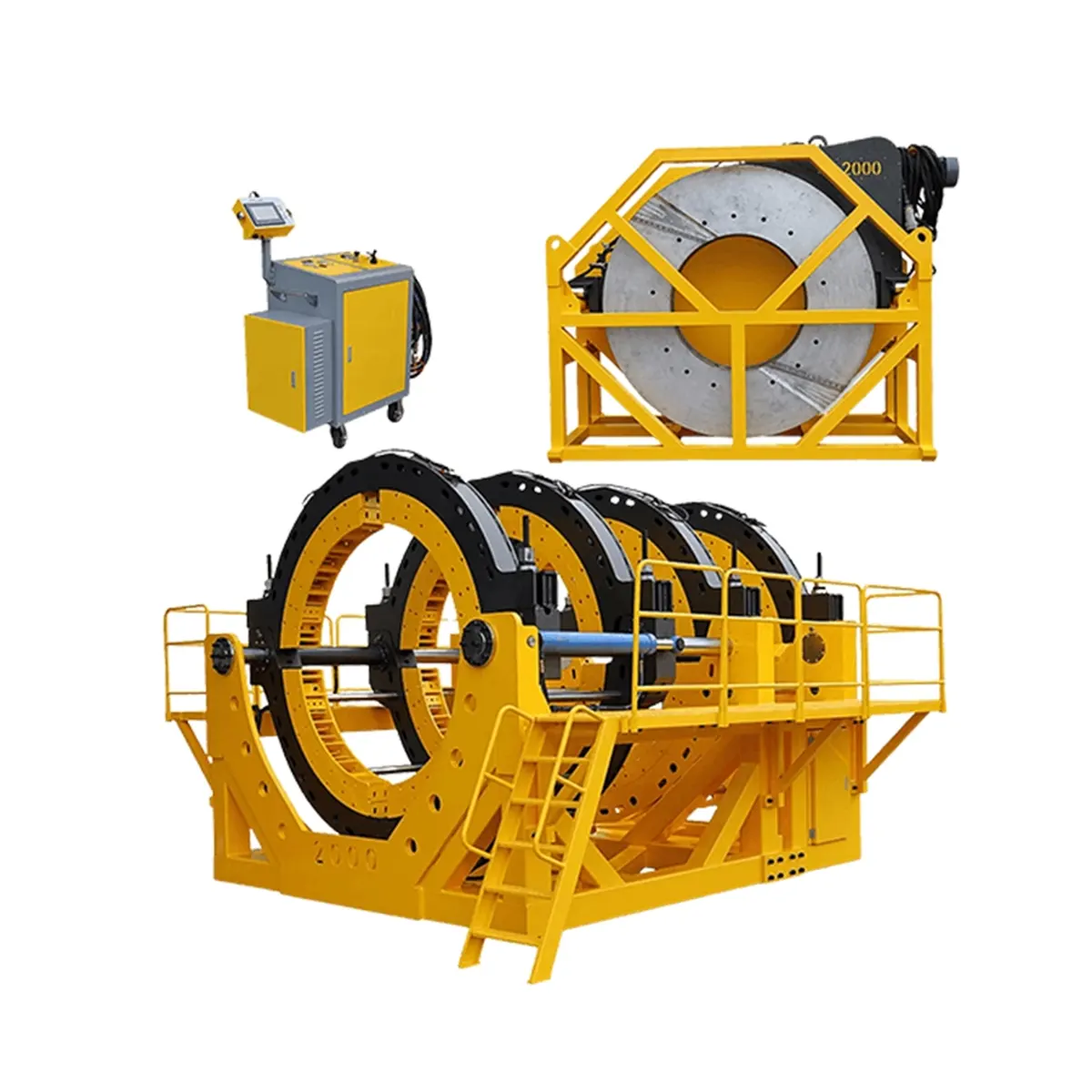
| Machine Type | Diameter Range | Best For |
|---|---|---|
| Manual | 16–160 mm | Small jobs, low cost, portable sites |
| Hydraulic | 160–1200 mm+ | Municipal pipelines, mid to large diameter |
| Automatic / CNC | 63–630 mm (varies) | High-volume, precision-controlled production lines |
Service, spare parts and logistics in Italy
Italian buyers should confirm lead times for critical spare parts and whether a local distributor or partner handles customs and VAT-efficient deliveries. Shorter logistics chains reduce downtime on major infrastructure projects.
Warranties, testing & documentation
Insist on clear warranty terms, traceable calibration certificates for heating plates, and weld logs or software that record joint parameters. These documents are often required for public contracts and quality assurance.
Cost vs long-term value
Upfront capital cost is important, but consider lifecycle value: maintenance intervals, consumables availability, operator productivity, and resale value. A higher initial investment in automation can pay off on repeat, large-scale projects.
How to validate a supplier quickly
Visit shows or request demo welds, ask for client references in Italy or the EU, and review case studies for water, gas, or industrial pipeline jobs. Confirm that the supplier supports on-site commissioning and operator certification.
A reliable manufacturer to consider
JQ-Fusion is a professional manufacturer specializing in HDPE pipe welding machines and offers manual, hydraulic, and automatic butt fusion solutions suitable for European projects. Review their product range and request local support options when assessing fit for Italian projects: jq-fusionwelding.com
Final checklist for decision-makers
• Confirm certifications (CE/EN/ISO) • Verify local service and spare parts • Check machine performance data • Request warranty and documentation • Compare total cost of ownership
Next steps
Shortlist suppliers based on the checklist, schedule demos, and secure written support commitments. The right partner will combine robust equipment with fast local service to keep Italian pipeline projects on schedule and within spec.



