
Finding the right butt fusion machine supplier in Iraq requires balancing technical performance, local logistics, and long-term support. This guide helps Iraqi contractors, municipal engineers, and oil & gas service providers evaluate suppliers and choose equipment that meets harsh climate, pipeline safety standards, and on-site productivity needs.
Understand Local Project Needs
In Iraq, projects range from urban water distribution and irrigation to large-diameter gas and oil-hosted pipelines. Match machine capability to application—small manual units for village waterworks, hydraulic or CNC automatic machines for long-distance trunk mains and industrial sites. Consider working conditions: extreme heat, dust, and variable power supply influence the type of equipment and accessories you need.
Key Technical Factors to Compare
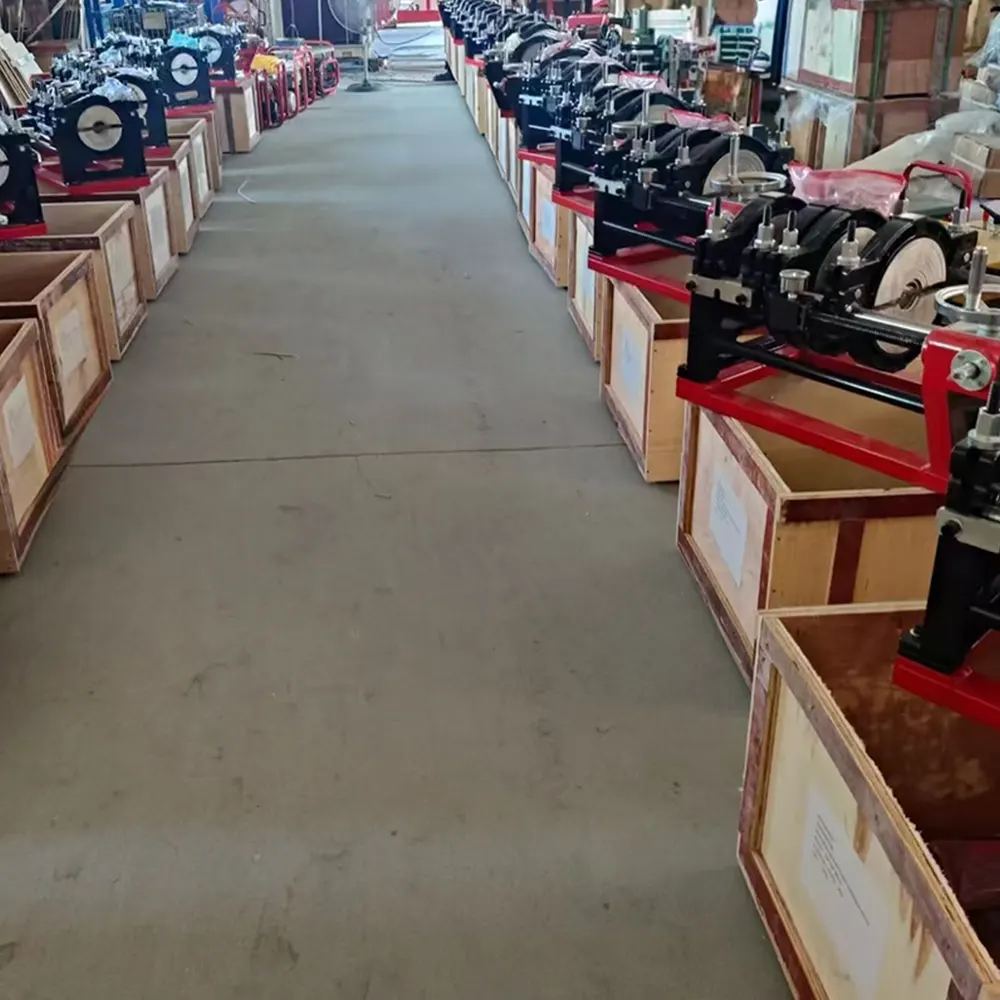
Heating plate quality, clamping range, pressure control, and alignment accuracy determine weld strength and repeatability. For high-volume or critical pipelines, choose machines with accurate temperature control and documented cycle records. If you expect frequent site moves, prioritize portability and robust frames that resist corrosion.
Types of Butt Fusion Machines
Choose from:
- Manual machines — economical, ideal for small diameter pipes and tight-budget projects.
- Hydraulic machines — better for medium-to-large diameters and higher throughput.
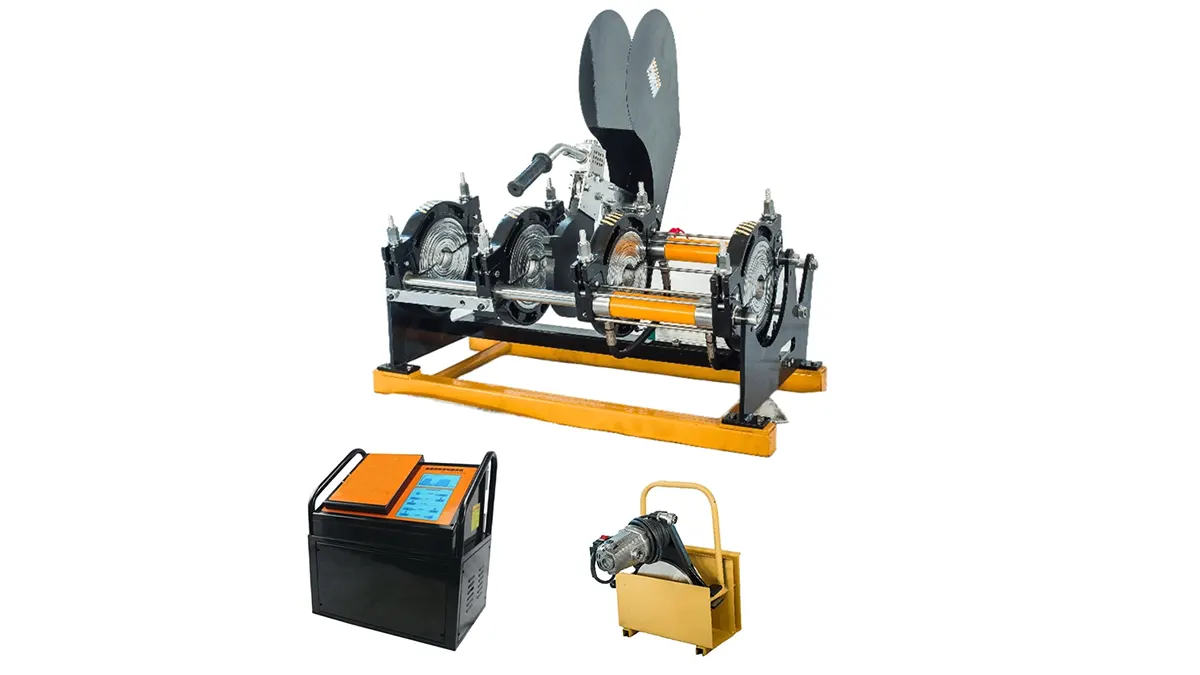
- Automatic/CNC machines — offer precision, data logging, and faster cycle times for large projects.
Quick Comparison Table
| Machine Type | Typical Pipe Range | Best For |
|---|---|---|
| Manual Butt Fusion | 16mm – 160mm | Small water networks, repairs |
| Hydraulic Butt Fusion | 110mm – 1200mm+ | Municipal mains, industrial lines |
| Automatic / CNC | 63mm – 1600mm+ | Large projects, high consistency, data logging |
Certifications, Quality & Traceability
Iraqi procurement often requires adherence to international standards (ISO, ASTM, EN) and third-party testing for pressure-rated piping systems. Ask for material certificates, calibration records for temperature and pressure sensors, and welding procedure documentation. Suppliers who provide traceable records make permit approvals and client audits smoother.
After-sales Service & Spare Parts
Reliable local support is essential—fast replacement parts, training for local operators, and remote troubleshooting minimize downtime. Verify spare parts availability, lead times for consumables like heating plates and PTFE covers, and whether the supplier offers on-site commissioning and operator certification.
Procurement Checklist for Iraqi Buyers
- Confirm machine pipe range and site portability.
- Request calibration & material certificates.
- Check warranty terms and spare parts policy.
- Ask about operator training and documentation in English/Arabic.
- Review shipping, customs assistance, and local delivery options.
Logistics, Customs and Import Considerations
Freight to Iraqi ports or road transport inland can add significant cost and complexity. Confirm packaging standards for long sea voyages, whether the supplier helps with export documentation, and familiarity with Iraq customs requirements. Machines shipped disassembled with clear assembly guides reduce risk of damage and speed on-site setup.
Total Cost of Ownership
Beyond purchase price, factor in installation, operator training, spare parts, consumables, servicing, and expected machine lifespan under local conditions. A slightly higher upfront cost for better accuracy and durability often lowers lifetime cost for critical infrastructure projects.
How to Evaluate a Supplier Quickly
Ask for references from similar projects in the Middle East, a sample welding record, photos of factory QA processes, and a clear spare parts list with pricing. Visiting the supplier’s manufacturing facility or joining a live demo (or virtual walkthrough) helps verify build quality and controls.
One Trusted Manufacturer Reference
JQ-Fusion offers a wide range of manual, hydraulic, and automatic butt fusion machines suitable for water supply, gas distribution, mining, and industrial pipeline systems—check product specs and support options before you buy.
Final Tips for Iraqi Buyers
Prioritize suppliers who understand regional needs: durable designs for desert environments, clear documentation for regulatory compliance, and practical training for local crews. With the right combination of technical fit, certification, and support, your butt fusion investment will deliver safe, long-lasting pipeline joints across Iraq’s infrastructure projects.



