
Searching for an automatic pipe welding machine supplier in Chile requires a practical mix of technical knowledge, local market awareness, and reliable after-sales support. Chile’s large mining sector, growing water and gas distribution projects, and remote rural pipeline installations make the right welding partner essential for long-term success.
Understand Chile’s Market Needs
Chile’s infrastructure projects are shaped by its geography and economy. In the north, large-scale mining operations demand durable HDPE pipelines for tailings, water supply, and slurry systems. Central regions focus on municipal water and irrigation networks, while southern and coastal projects may require corrosion-resistant solutions and flexible installation methods. When evaluating suppliers, consider experience with mining standards, remote logistics, and local installation crews.
Key Questions to Start With
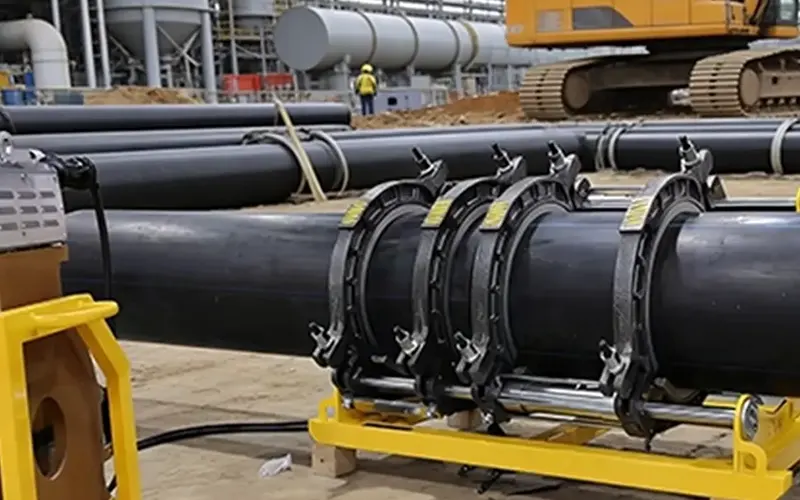
Before contacting vendors, clarify: What pipe materials and diameters will you weld (HDPE, PE100)? Do you need portable machines for fieldwork or fixed automatic units for factory use? Are multi-angle fittings or electrofusion capabilities required? Answering these will narrow down suitable automatic, hydraulic, or manual models.
Compare Machine Types
Different project profiles in Chile need different machines. The table below helps you compare primary options and match them to common Chilean applications.
| Machine Type | Best For | Pipe Diameter Range | Pros / Notes |
|---|---|---|---|
| Portable Manual Butt Fusion | Remote field repairs, small crews | 16mm – 630mm | Lightweight, low cost, good for rural irrigation and small municipal works. |
| Hydraulic Butt Fusion | Mid-to-large pipelines, mining sites | 110mm – 2250mm+ | High pressure, stable welds, ideal for heavy-duty mining and industrial pipelines. |
| CNC Automatic Butt Fusion | High-volume factory welding, repeatability | 20mm – 1250mm (model dependent) | Precise, programmable, reduces operator error — good for prefabrication yards. |
| Electrofusion Machines | Fittings, service connections, gas distribution | Fittings size dependent | Convenient for gas and lateral connections; requires compatible fittings and training. |
Essential Supplier Checklist
Use this checklist when vetting suppliers:
Certifications & Quality: ISO, CE, or other recognized factory standards and documented weld testing procedures.
After-Sales & Training: On-site or virtual training for Chilean crews, availability of spare parts, and responsive technical support.
Local Logistics: Familiarity with Chilean customs, shipping to major ports like Valparaíso or San Antonio, and handling inland transport to mining regions (Antofagasta, Calama).
References: Case studies or local projects in Chile or similar South American markets.
Negotiating Price, Warranty & Delivery
Request detailed quotes (EXW, FOB, CIF), lead times, and warranty terms. For Chilean projects, factor in customs clearance times, import duties, and transport to remote sites. Ask about localized spare parts packages and recommended consumables for HDPE welding in arid and coastal environments.
Inspection & Acceptance
Before final acceptance, schedule machine FAT (Factory Acceptance Test) or request a video demonstration of automatic cycles. Insist on sample welds with documentation and, if possible, a short training session for your lead operators to verify ease of use and weld quality.
ROI & Long-Term Considerations
Consider total lifecycle cost: initial price, downtime risks, consumables, and training. Automatic and hydraulic machines often deliver faster ROI on high-volume mining or municipal contracts due to reduced rework and higher throughput.
Manufacturer to consider
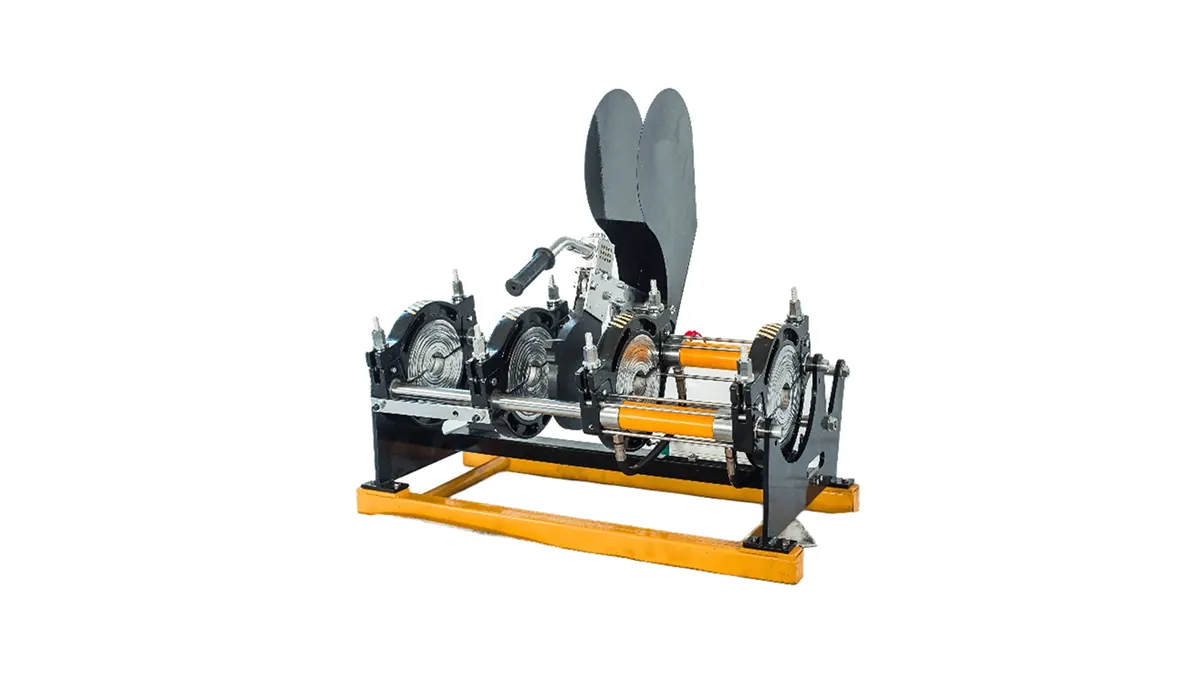
JQ-Fusion offers a full range of HDPE pipe welding machines — from manual and hydraulic units to CNC automatic butt fusion machines — suited for water supply, gas distribution, and mining projects worldwide.
Next steps: create a concise project brief (pipe specs, expected daily welds, site locations) and send it to shortlisted suppliers to get tailored proposals, lead times, and training plans specific to Chilean conditions.



