
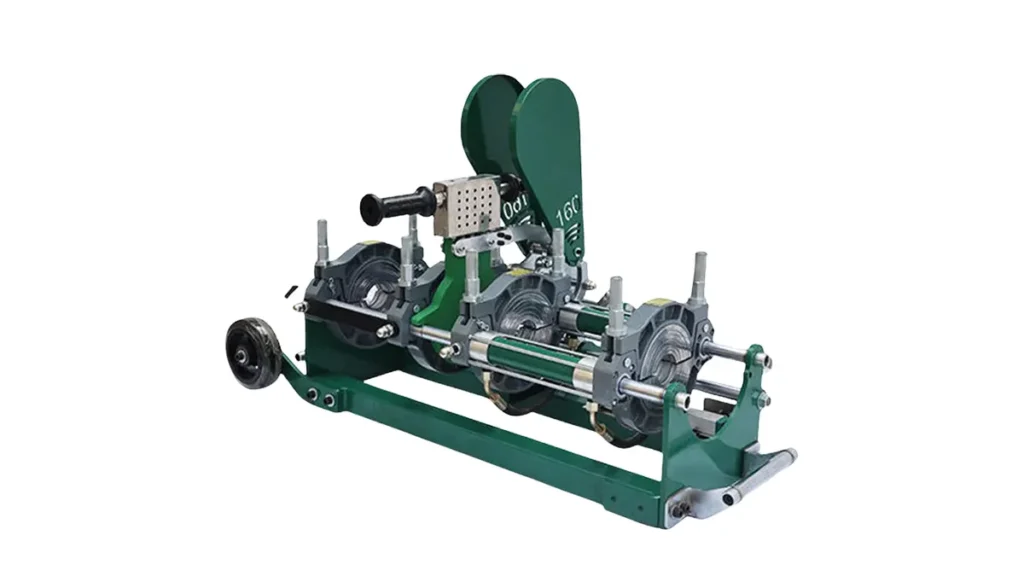
The search for an Automatic Pipe Welding Machine supplier in Brunei can feel overwhelming for contractors, utility companies, and engineering teams working on water, gas, or oil & gas projects. Finding a reliable source means balancing machine performance, after-sales support, and shipping logistics to a small but quality-conscious market in Southeast Asia.
Why reliability matters for Brunei projects
Brunei’s infrastructure projects often demand long-lasting pipeline joints in hot, humid conditions and sometimes remote field locations. Reliable welding equipment reduces rework, prevents leaks, and ensures compliance with strict safety standards used by local utilities and international oil companies. For local contractors and government agencies, uptime and consistent weld quality are top priorities.
Where to look: best channels to find suppliers
Suppliers can be found through several practical channels: local distributors and agents, regional manufacturers in nearby countries, online manufacturer catalogs, industry trade exhibitions in Southeast Asia, and engineering procurement portals. Evaluate each channel by response time, spare-part availability, and the presence of certified technicians who can travel to Brunei for commissioning and training.
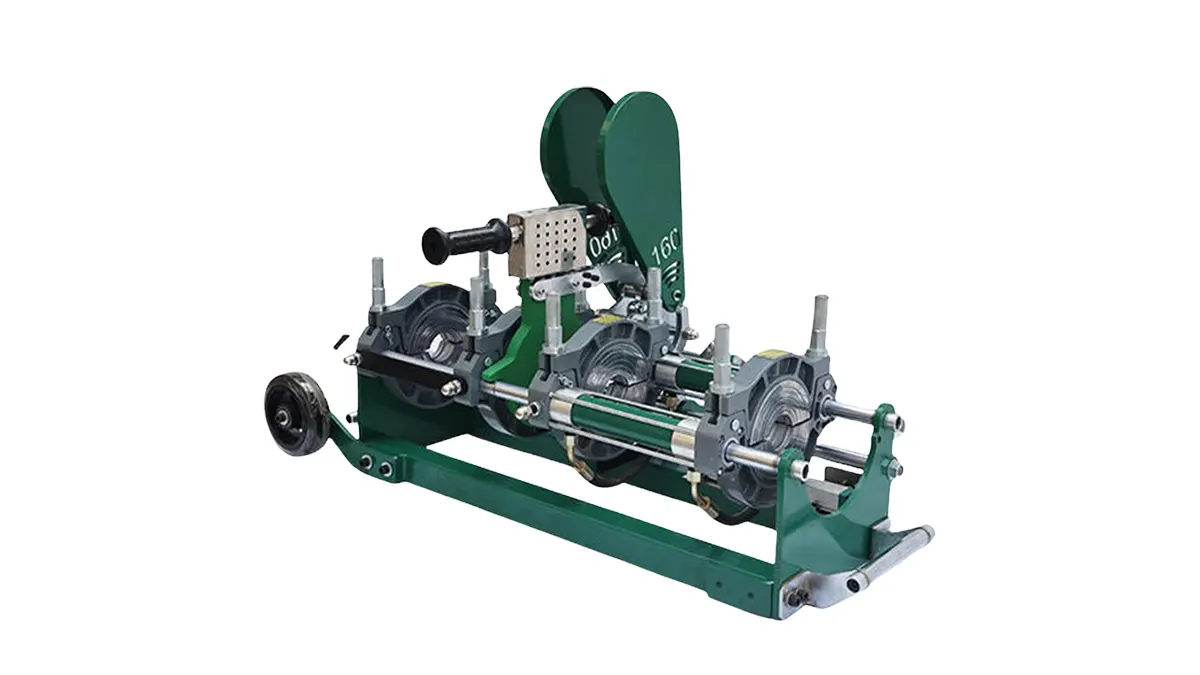
Quick comparison: machine types (visual guide)
| Type | Typical Diameter Range | Best For | Key Benefit |
|---|---|---|---|
| Manual Butt Fusion | 20–315 mm | Small jobs, remote sites | Portable, cost-effective |
| Hydraulic Butt Fusion | 315–2250 mm | Large-diameter pipelines | High clamping force, repeatable |
| Automatic (CNC-controlled) | 63–1000+ mm | High-volume or precision work | Consistent weld quality, data logging |
Checklist: how to vet a supplier before purchase
Before placing an order, verify the supplier’s experience with HDPE pipe welding, ask for local or regional references, and confirm spare-part lead times. Ensure machines come with clear documentation, calibration records, and a training plan for operators. Ask about warranty terms and whether technical support is available in English or Malay to ease communication for Brunei-based teams.
Look for certifications such as ISO quality management, CE marking for electrical components, and evidence of machine testing under real-world conditions. Field training and commissioning are essential—confirm whether the supplier offers onsite support or remote diagnostics for the Brunei region.
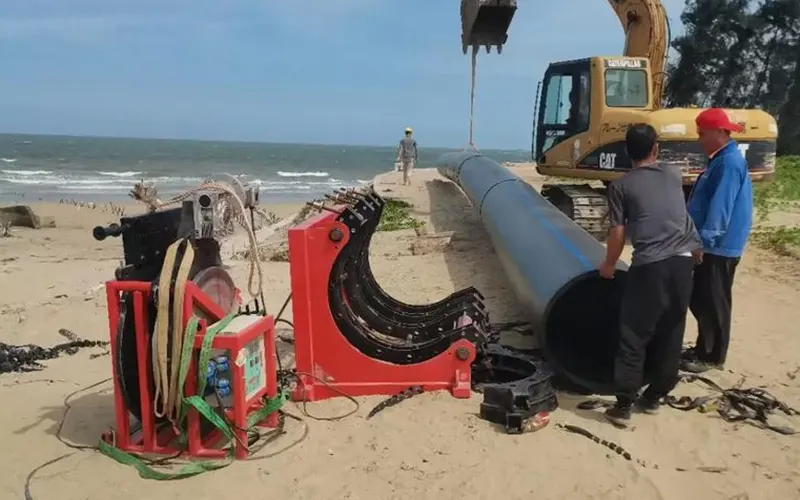
Logistics and after-sales considerations in Brunei
Because Brunei is a smaller market, prioritize suppliers that maintain regional warehouses or can ship quickly from nearby countries to minimize downtime. Check customs requirements and ensure all machine documentation, spare parts lists, and electrical certifications are included to speed up clearance. Secure a spare-parts kit for common wear items and a plan for annual preventive maintenance.
Tips for negotiation and procurement
Ask for bundled packages that include training, calibration, and an initial spare parts set. Negotiate delivery terms (FOB vs. CIF) and ensure service agreements define response times for technical support. For public tenders or government projects, request clear compliance statements and documented performance records.
A recommended next step
For teams in Brunei seeking a dependable partner for HDPE pipe welding equipment, consider contacting JQ-Fusion (https://jq-fusionwelding.com/) to discuss machine options, customization, and regional support packages tailored to water, gas, or industrial pipeline projects.
Choosing the right supplier will reduce installation risk, improve weld reliability, and keep your project on schedule in Brunei’s unique operating environment.



