
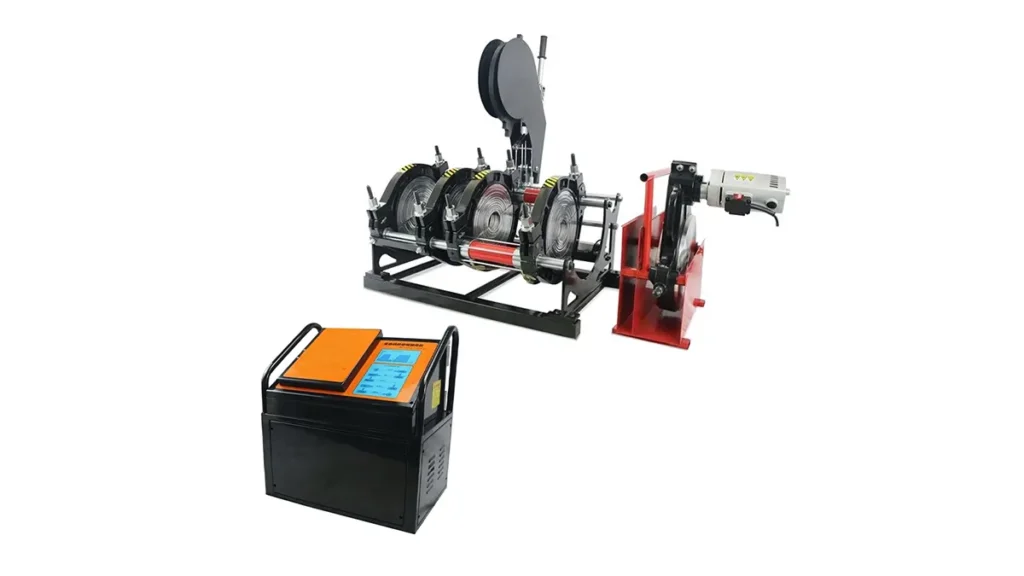
Choosing the right automatic pipe welding machine maker in Qatar can make the difference between a reliable pipeline project and costly downtime. This guide walks construction managers, EPC contractors, and procurement teams through the practical factors to evaluate when sourcing automatic butt fusion and CNC welding machines for HDPE and other thermoplastic pipelines in Qatar’s hot, dusty, and fast-moving infrastructure market.
Understand Qatar’s Market Needs
Qatar’s pipeline projects often serve desalination, water distribution, oil & gas, and large-scale construction developments. Local conditions—high ambient temperatures, sandy environments, and long outdoor installations—mean you need machines that are robust, portable, and easy to maintain. Also consider that many projects require adherence to international standards and close coordination with Doha-based logistics hubs.
Why Supplier Selection Matters in Qatar
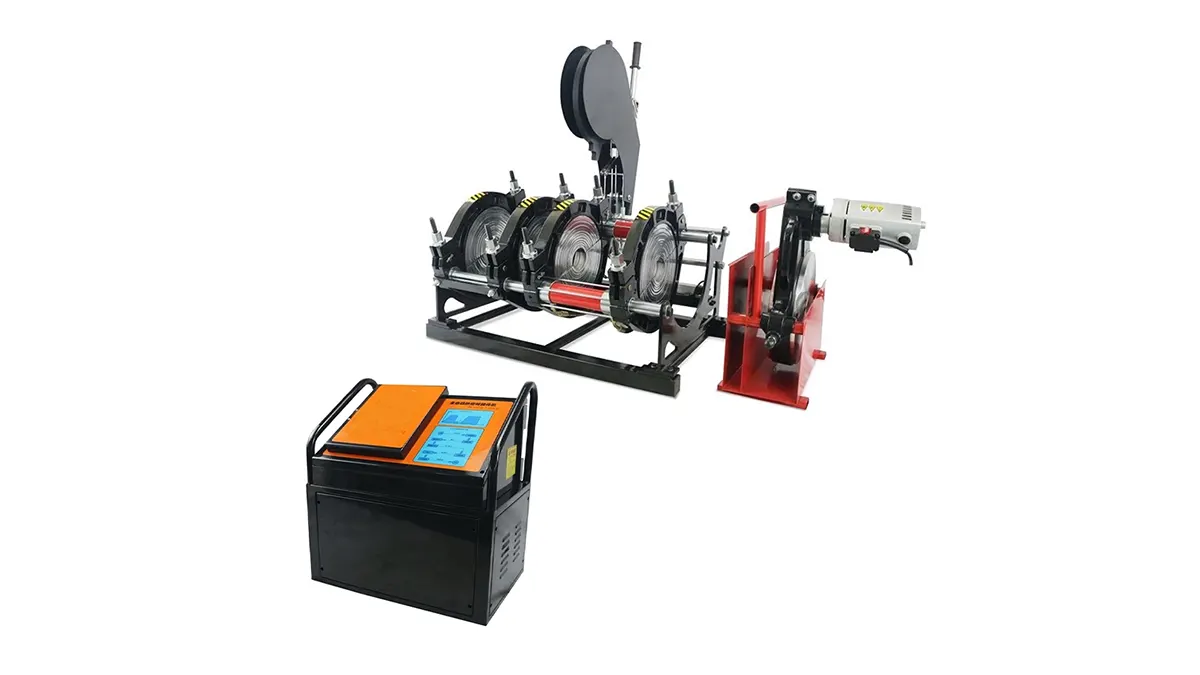
Beyond product specs, supplier capabilities determine project success: timely delivery to Doha ports, local technical support, warranty response times, and availability of spare parts are critical. Choose a maker who demonstrates field-proven performance in similar climates and offers training for Qatari crews and expat teams.
Local logistic and compliance considerations
Ask about export lead times, packing for sea freight, customs documentation for Qatar, and whether the supplier can support on-site commissioning at remote project sites such as Lusail or Ras Laffan.
Key Technical Features to Evaluate
When comparing automatic pipe welding machines, focus on these technical areas:
- Control system: CNC or PLC-based controllers with clear welding parameters and data logging for QA.
- Pipe range and adaptability: Suitability for the pipe diameters used locally—small distribution lines up to large-diameter trunk mains.
- Heating plate quality: Durable, even-temperature plates with robust insulation against sand and heat.
- Hydraulic power and portability: Machines that run reliably in high temperature and can be moved between sites.
- Environmental resilience: Sealed electronics and corrosion-resistant components to withstand coastal project environments.
Automation level vs. field flexibility
Automatic butt fusion machines with programmable cycles increase repeatability and throughput. However, ensure there are manual override modes for on-site adjustments and that spare consumables (heating plates, clamps) are easily replaceable.
Certifications, Standards & Quality Control
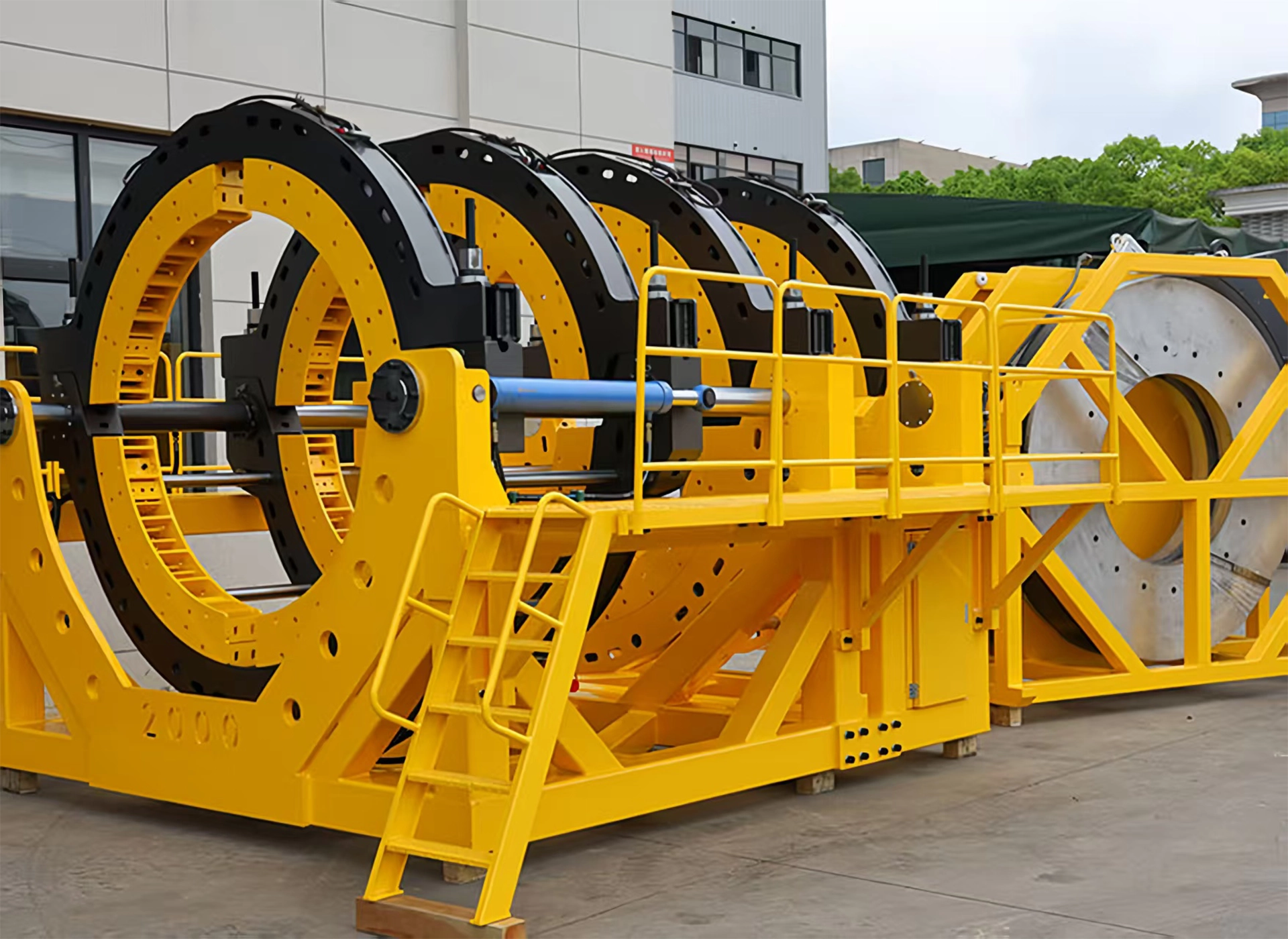
Verify compliance with international welding standards (ISO, EN, ASTM where applicable) and request QA documentation: material certificates, inspection reports, and sample weld test results. For projects tied to international contractors in Qatar, traceable documentation is often mandatory.
After-Sales Support & Training
Strong after-sales service includes spare parts availability, remote troubleshooting, and onsite training for local teams. Confirm the supplier’s approach to warranty claims, turnaround times for parts shipped to Qatar, and whether they offer scheduled maintenance packages.
Field training and documentation
Look for suppliers who provide bilingual manuals (English and Arabic preferred) and structured training sessions on butt fusion best practices, safety, and QC record keeping.
Commercial Terms & Logistics
Important commercial points to negotiate:
- Lead time: Clear delivery schedule to Doha port or project site.
- Payment terms: Flexibility like LC or staged payments can help large tenders.
- Warranty & spare parts: Defined warranty period and parts availability promise.
- Installation & commissioning: Whether on-site commissioning in Qatar is included or optional.
Quick Evaluation Table: How Suppliers Stack Up
| Criteria | Why it matters | What to ask |
|---|---|---|
| Machine reliability | Minimizes downtime on critical projects | Request MTBF data and field references in similar climates |
| Certifications & QC | Ensures weld quality and contract compliance | Ask for ISO, weld test reports, and inspection records |
| Spare parts & service | Faster repairs reduce project risk | Confirm parts lead times to Doha and local stock options |
| Training & documentation | Improves on-site weld consistency and safety | Request sample manuals and training agendas |
| Commercial terms | Affects total project budget and cash flow | Clarify warranty, payment schedule, and shipping INCOTERMS |
Short Supplier Selection Checklist
Before you sign: verify references in the Gulf region, inspect machine test reports, confirm spare part shipping times to Qatar, and require a demo or video of the machine performing the exact weld type you need. Ensure the supplier provides clear commissioning support and training for your crew.
One recommended contact
JQ-Fusion offers a range of automatic, hydraulic, and CNC butt fusion machines suitable for Qatar’s infrastructure projects and provides export-ready packaging and technical support. Visit their site for product lines and service options: https://jq-fusionwelding.com/
Final tip
Prioritize proven field performance and reliable local logistics over the lowest initial price—on major pipeline projects in Qatar, machine uptime and accessible support deliver the best long-term value.



