
Choosing the right automatic pipe welding machine supplier in Malta can make or break infrastructure projects — from potable water networks and gas distribution to coastal drainage and industrial pipelines. This guide helps Maltese contractors, engineers, and procurement managers quickly evaluate suppliers and select equipment that fits island conditions and EU regulations.
Understand Local Needs First
Project scale and environment: Malta’s compact geography, dense urban worksites, and coastal exposure mean you should prioritize machines that are compact, mobile, and corrosion-resistant. For municipal waterworks and tourism-area upgrades, machines that support small-to-medium HDPE pipe diameters (e.g., 20–630mm) and fast setup times are ideal. For larger interconnector or industrial projects, consider higher-capacity automatic butt fusion units.
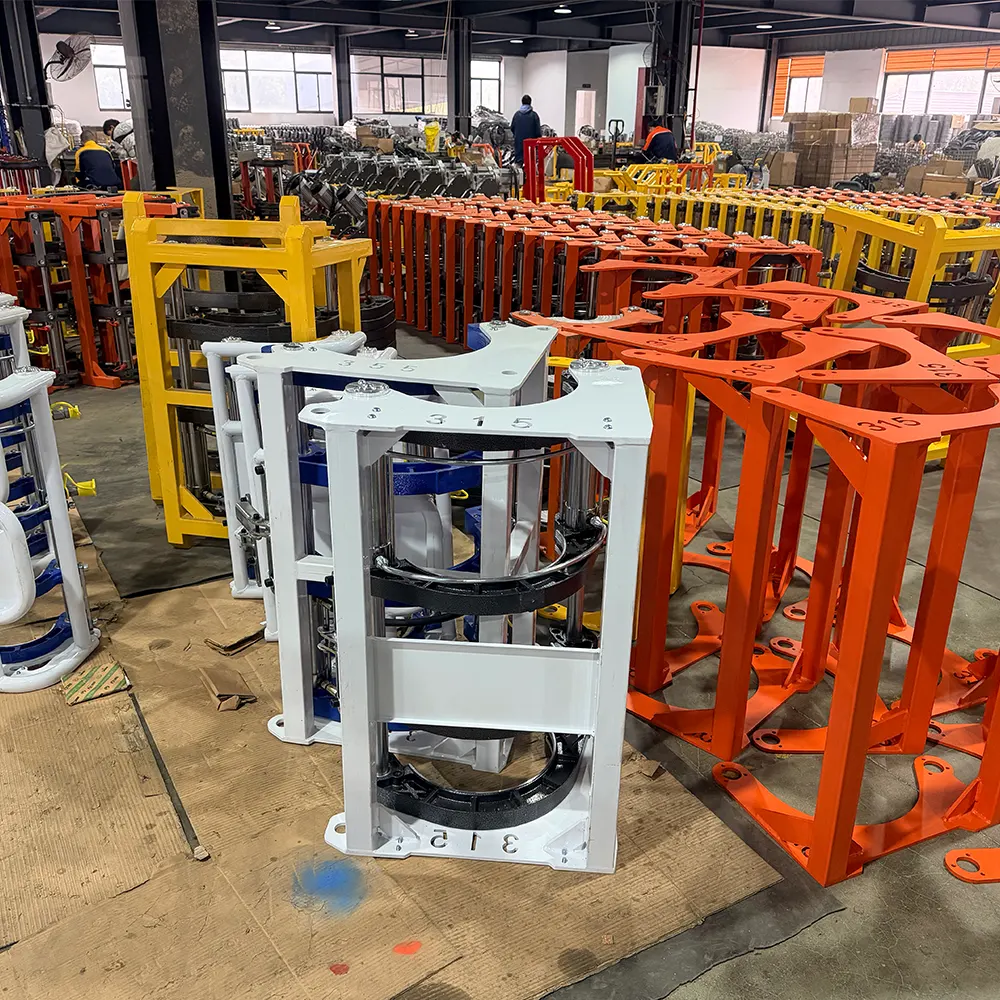
Key Machine Types
Automatic butt fusion machines: Best for high-volume, consistent weld quality with programmable controls. Hydraulic/manual machines: Offer flexibility and lower upfront cost for smaller jobs or remote sites. Electrofusion units are useful for fittings and repair work in confined urban areas.
Technical Checklist
Before you buy, verify the supplier provides clear specs on pipe range, clamping system, heating plate quality, control software, and power needs — especially relevant for Malta where site power availability and on-board generators vary.
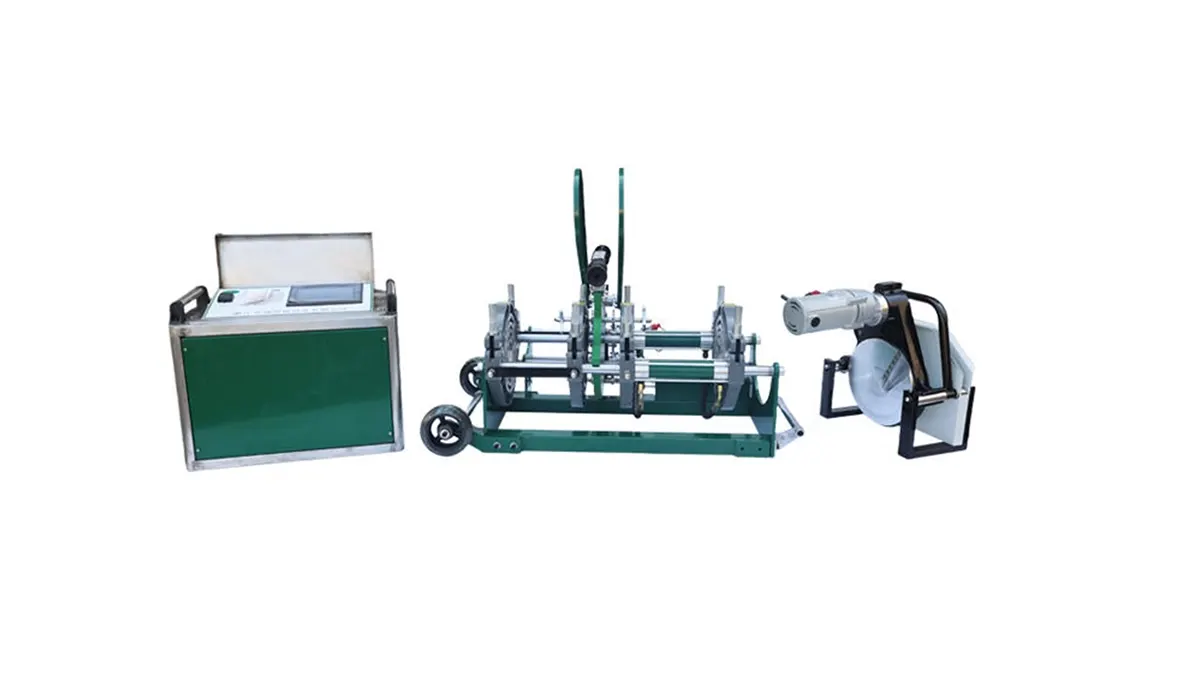
Supplier Evaluation Table
| Criteria | What to expect |
|---|---|
| Certifications | CE, ISO, welding procedure approvals and traceable QA records |
| After-sales & Spare Parts | Local distributor or quick ship spares, online support, replacement heating plates |
| Training & Documentation | On-site or virtual operator training, multilingual manuals, welding logs |
| Customization | Clamping sizes, transport frames, anti-corrosion coatings for marine exposure |
| Warranty & Service Response | Clear warranty, rapid remote diagnosis, local or regional service partners |
Commercial & Logistic Considerations in Malta
Because Malta is an island, shipping time, freight cost, and customs paperwork matter. Vendors that offer consolidated shipping, FOB/CIF clarity, and support with import paperwork will reduce delays. Also check whether the supplier can adapt machines to EU safety standards and provide CE-marked components.
Durability & Total Cost of Ownership
Assess lifecycle costs: energy consumption, consumables (heating plates, trims), maintenance intervals, and resale value. For coastal sites, ask about coastal-grade finishes and sealing to prevent accelerated corrosion from salt air.
On-site Support & Training
Fast local response is a major advantage. If your supplier lacks a Maltese branch, confirm remote diagnostics, spare parts lead times, and whether they can dispatch technicians to Malta or coordinate with local service partners.
Why Manufacturer Reputation Matters
Look for proven OEMs with project references and testing data. One such manufacturer is JQ-Fusion, which supplies a range of automatic and hydraulic butt fusion welders along with documentation, spare parts, and global service experience—useful when evaluating suppliers for Maltese projects.
Final Tip
Prioritize suppliers that balance certified machine performance, quick spare parts, strong documentation, and responsive after-sales support. For Malta’s mix of urban, coastal, and industrial pipeline work, reliability and serviceability often outweigh the lowest bid.



