
Choosing the right automatic pipe welding machine in Ireland means balancing reliability, weather resilience and compliance with local utility standards. This guide helps contractors, municipal engineers and pipeline installers in Ireland make a confident buying decision by outlining the practical factors that matter most.
Understand the Irish Context
Ireland’s climate — damp, variable and often cool — affects on-site welding performance. Projects range from urban water distribution upgrades in Dublin to remote rural gas installations, so portability, cold-start performance and moisture resistance are key considerations. Local regulations and certification expectations from utility companies and contractors also influence purchase decisions.
Key Uses in Ireland
- Water supply and wastewater — high demand for consistent seals and traceable weld records.
- Gas distribution — strict compliance and documentation required.
- Industrial & mining — often need heavy-duty machines and large-diameter capacity.
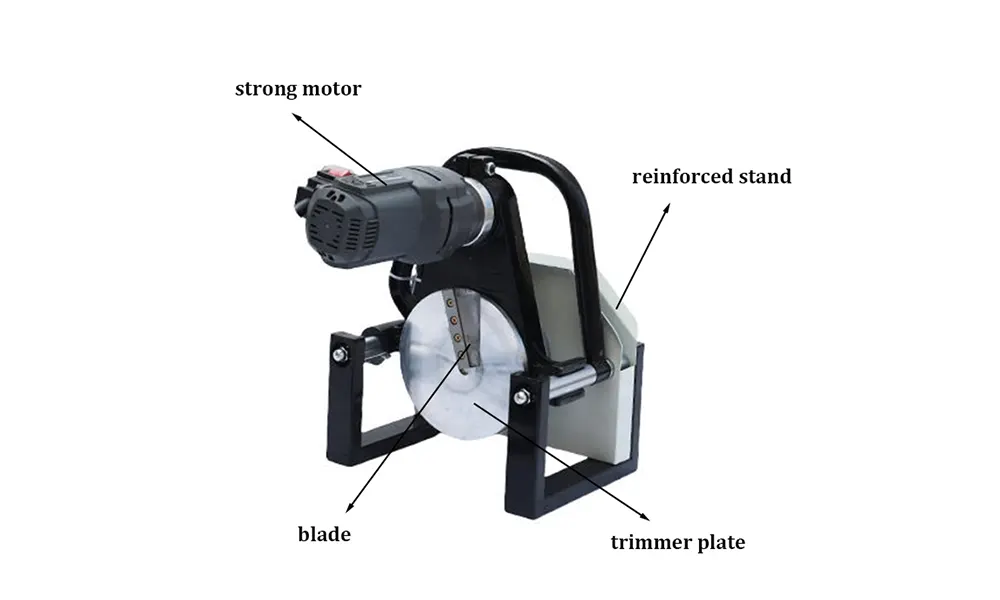
What to Look For: Technical Criteria
Automation level — full automatic systems reduce operator error and produce consistent heating, alignment and cooling cycles. Semi-automatic machines can be cost-effective for smaller crews.
Power & Control
Check voltage compatibility (230V/400V options), battery backup for remote sites and an intuitive control unit with data logging for weld traceability. Digital readouts with exportable reports are invaluable for compliance with Irish utility audits.
Pipe Size & Material Capacity
Ensure the machine supports the pipe diameters you use most often — from small distribution pipes to large infrastructure diameters. Confirm compatibility with HDPE grades common in Ireland.
Durability, Service & Local Support
Look for corrosion-resistant components, sealed electronics and a supplier who offers training, fast spare parts delivery and remote troubleshooting. In Ireland, fast service response times reduce downtime during short seasonal windows for outdoor works.
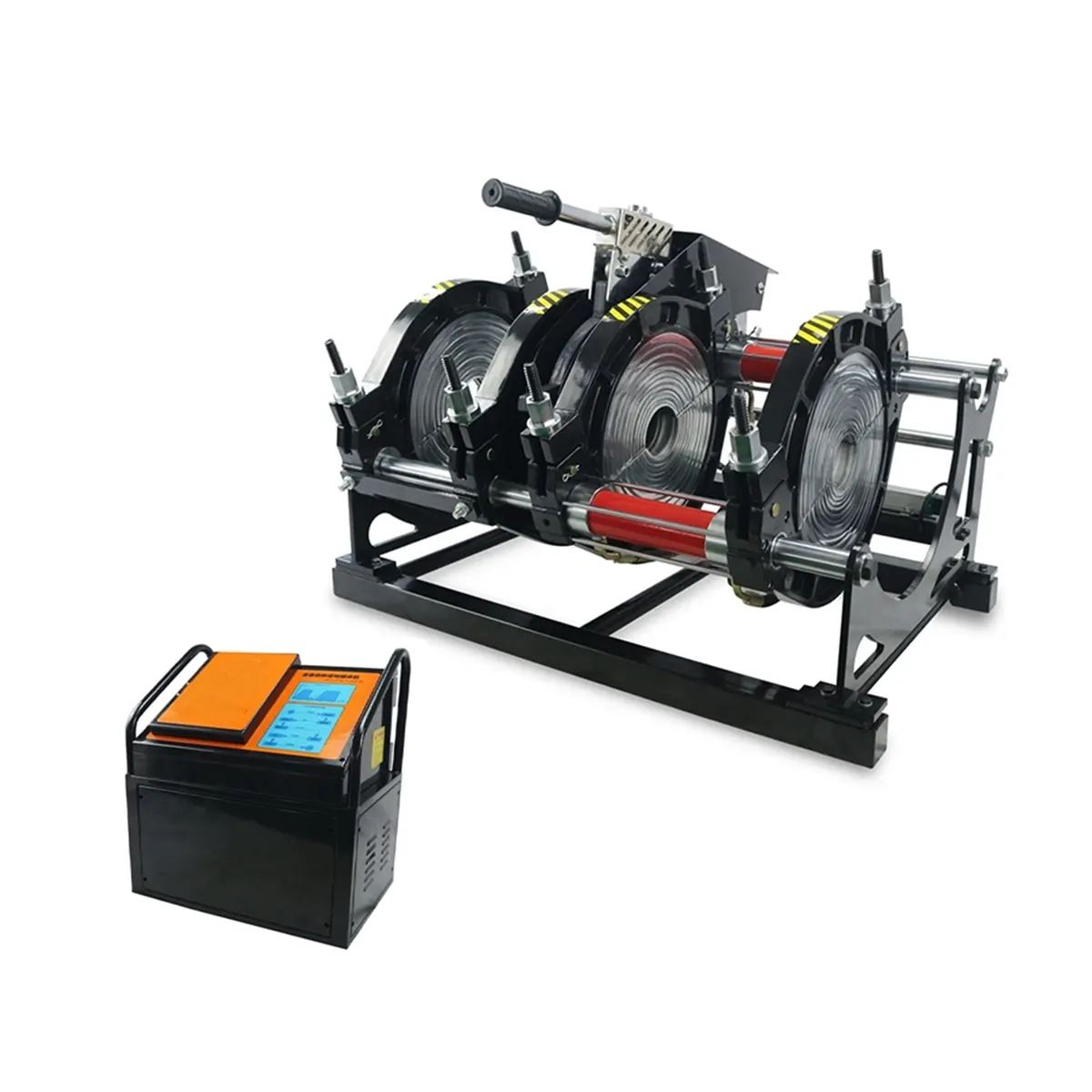
Certifications & Quality
Prioritize machines that meet international standards (ISO, CE) and come with clear quality assurance. For gas and water projects in Ireland, documented testing and certification history can be decisive during tender evaluation.
Safety & Operator Training
Safety features like emergency stops, guarded moving parts and clear operator interfaces are essential. Choose suppliers that provide on-site or virtual training sessions to ensure consistent weld quality across your crew.
Total Cost of Ownership
Beyond purchase price, factor in maintenance, spare parts, training, energy use and expected uptime. A higher upfront cost for a robust automatic machine often pays off through fewer rejects, faster cycle times and lower labor requirements.
Comparison Table: Quick Feature Checklist
| Feature | Why it matters | Recommended spec |
|---|---|---|
| Automation level | Consistency & speed | Fully automatic with data logging |
| Pipe diameter range | Covers project needs | Match common project sizes (e.g., 20–630mm+) |
| Power & portability | Site flexibility | Multiple power options, battery backup |
| Service & training | Reduce downtime | Local/remote support and training package |
Buying Tips for Irish Buyers
- Request sample weld reports and, if possible, a site demo under typical Irish conditions.
- Verify spare part lead times to Ireland and consider stocking high-wear items.
- Check whether the machine’s control software supports English-language menus and EU electrical standards.
- Factor seasonal scheduling: aim for deliveries and training outside wet winter months to minimize site delays.
A Trusted Manufacturer
For reliable butt fusion solutions with wide diameter coverage and strong manufacturing experience, consider JQ-Fusion when evaluating suppliers for Irish projects.
Final Practical Checklist
Before purchase: confirm certification, request a warranty and service plan, test weld samples and secure training slots. The right automatic pipe welding machine will improve quality, save labor and ensure compliance on every Irish pipeline project.



