
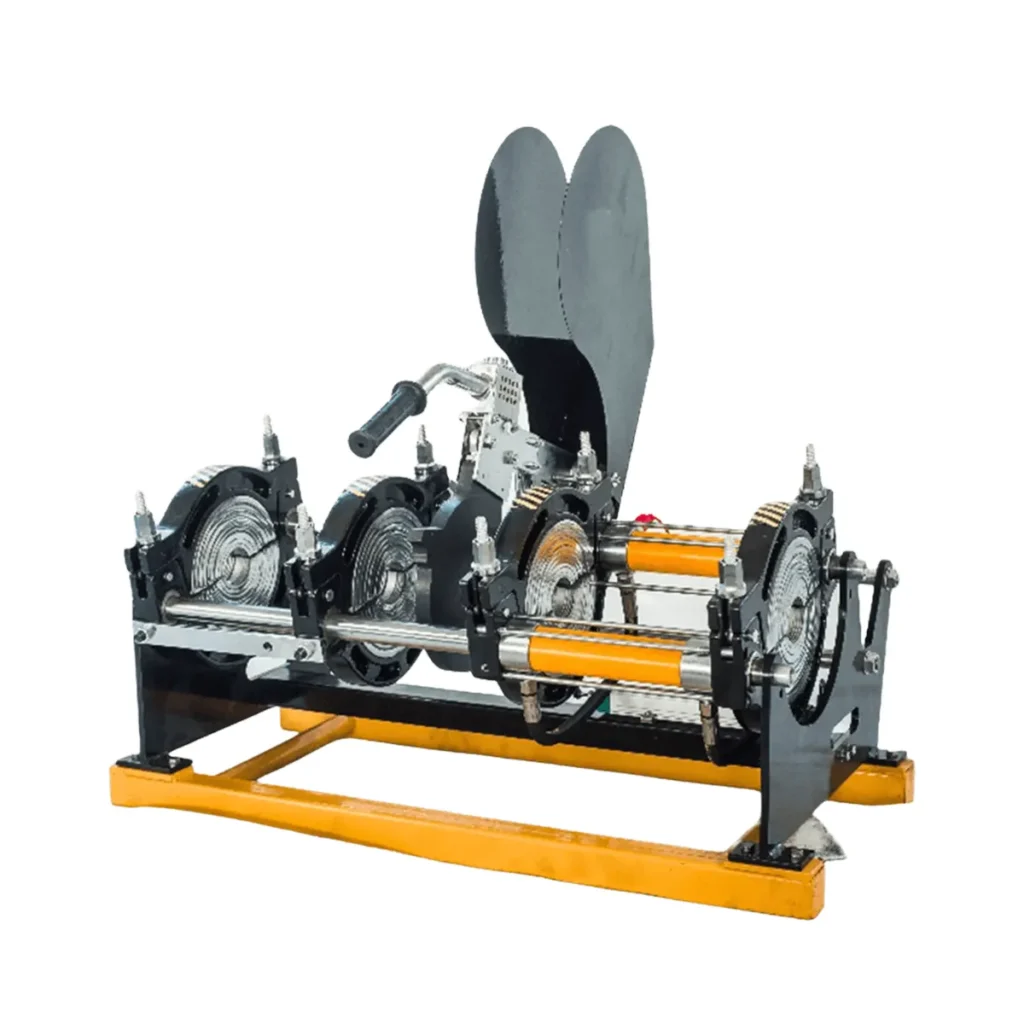
Looking for the best automatic pipe welding machine in South Korea? This guide helps contractors, municipal engineers, and utility operators compare top options, understand must-have features, and make a confident buying decision for HDPE and PE pipe welding projects across Korean urban, coastal, and industrial environments.
Why Automatic Pipe Welding Machines Matter in South Korea
Automatic butt fusion machines deliver consistent joints, higher throughput, and easier compliance with local quality standards—critical for South Korea’s dense urban water systems, expanding gas distribution networks, and large-scale industrial pipelines. With labor costs rising and strict inspection regimes, automation reduces human error, accelerates schedules, and improves traceability for public works and private developers.
Top Automatic Welding Machine Options (Quick Comparison)
Below is a practical comparison of reliable automatic butt fusion models suitable for projects in Korea—from municipal water mains to industrial HDPE pipe systems.
| Model | Pipe Range (mm) | Control | Best For | Indicative Price |
|---|---|---|---|---|
| JQA160 / JQA160mm | 20–160 | Fully automatic CNC | Small distribution lines, repairs | Low–mid range |
| JQA200 / JQA200mm | 63–200 | Automatic with PLC | Urban water & gas mains | Mid range |
| JQA250 / JQA250mm | 90–250 | Automatic CNC with data logging | Medium mains, industrial services | Mid–high range |
| JQA500 / JQA500mm | 200–500 | Heavy-duty automatic | Large-diameter trunk lines, coastal projects | High range |
Key Features to Prioritize
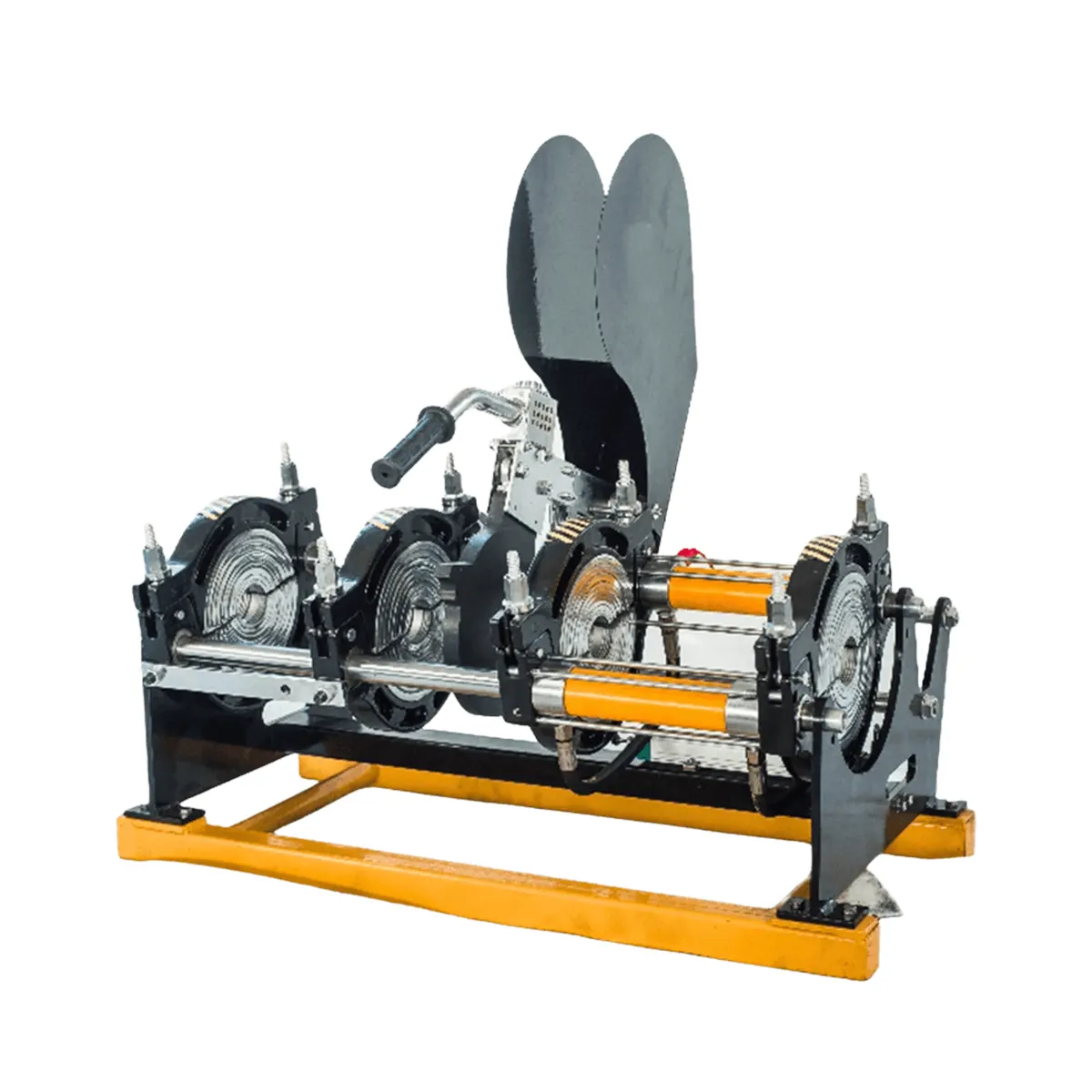
• Precise temperature & pressure control: Stable heater plate and programmable pressure profiles ensure repeatable, certified joints that pass Korean inspection.
• Data logging & traceability: Automatic record keeping (exportable CSV/PDF) simplifies QA reports for public tenders and owner audits.
• Robust hydraulic system: Essential for large diameters and harsh field conditions common around Korean coastal and industrial sites.
• Compact transportability: City projects require machines that are easy to move through narrow streets and busy work zones.
• User interface with Korean language support: On-site crews benefit from localized controls and manuals to reduce training time and operational errors.
Safety, Standards & Certification
Choose equipment that meets international ISO standards and can support compliance with Korean industrial requirements (KS/ISO certificates, calibration reports). Machines offering validated welding cycles and downloadable test reports will help secure approvals from municipal inspectors and third-party QA bodies.
Buying Guide: Match Machine to Project Type
Small municipal & repair jobs: Prioritize compact automatic machines (up to 200 mm), simple interfaces, and quick setup. These are common for Korea’s dense urban networks.
Medium trunk lines & new developments: Select models with data logging, stronger hydraulics, and modular clamping to handle mixed-diameter work efficiently.
Large-diameter industrial & coastal pipelines: Use heavy-duty automatic machines (250 mm and above) with powerful hydraulic power packs and corrosion-resistant components for maritime environments.
Short-term needs or pilot projects: Consider rental or leasing options—this is often cost-effective for contractors bidding on single large projects in Korea.
Local Support, Shipping & Customs in Korea
When importing automatic pipe welding machines, confirm delivery timelines, customs clearance assistance, and availability of Korean-language documentation. Look for suppliers or distributors who provide on-site commissioning, operator training, and spare parts shipments to minimize downtime in remote or island project locations.
Maintenance & Field Tips
• Keep heater plates clean and protected to avoid welding defects.
• Calibrate pressure transducers and temperature sensors regularly—traceable calibration reports make Korean inspections easier.
• Stock wear parts locally (seals, heaters, clamps) and maintain a simple preventive schedule to prevent costly delays.
Cost Factors & ROI Considerations
Compare total cost of ownership: purchase price, shipping & customs, training, spare parts, and expected welding throughput. Automated machines often pay back quickly on medium-to-large projects because they reduce rework and speed up joint completion—especially valuable on fast-track Korean infrastructure schedules.
Where to Buy / Who to Contact
For reliable butt fusion equipment and tailored automatic solutions, consider contacting JQ-Fusion — a professional manufacturer of HDPE pipe welding machines offering manual, hydraulic, and CNC automatic butt fusion systems and global support for infrastructure projects. Website: jq-fusionwelding.com
Final Checklist Before Purchase
• Confirm pipe diameter range, welding cycle automation, and data export options.
• Verify availability of Korean manuals, training, and spare parts.
• Request sample weld reports and factory calibration certificates.
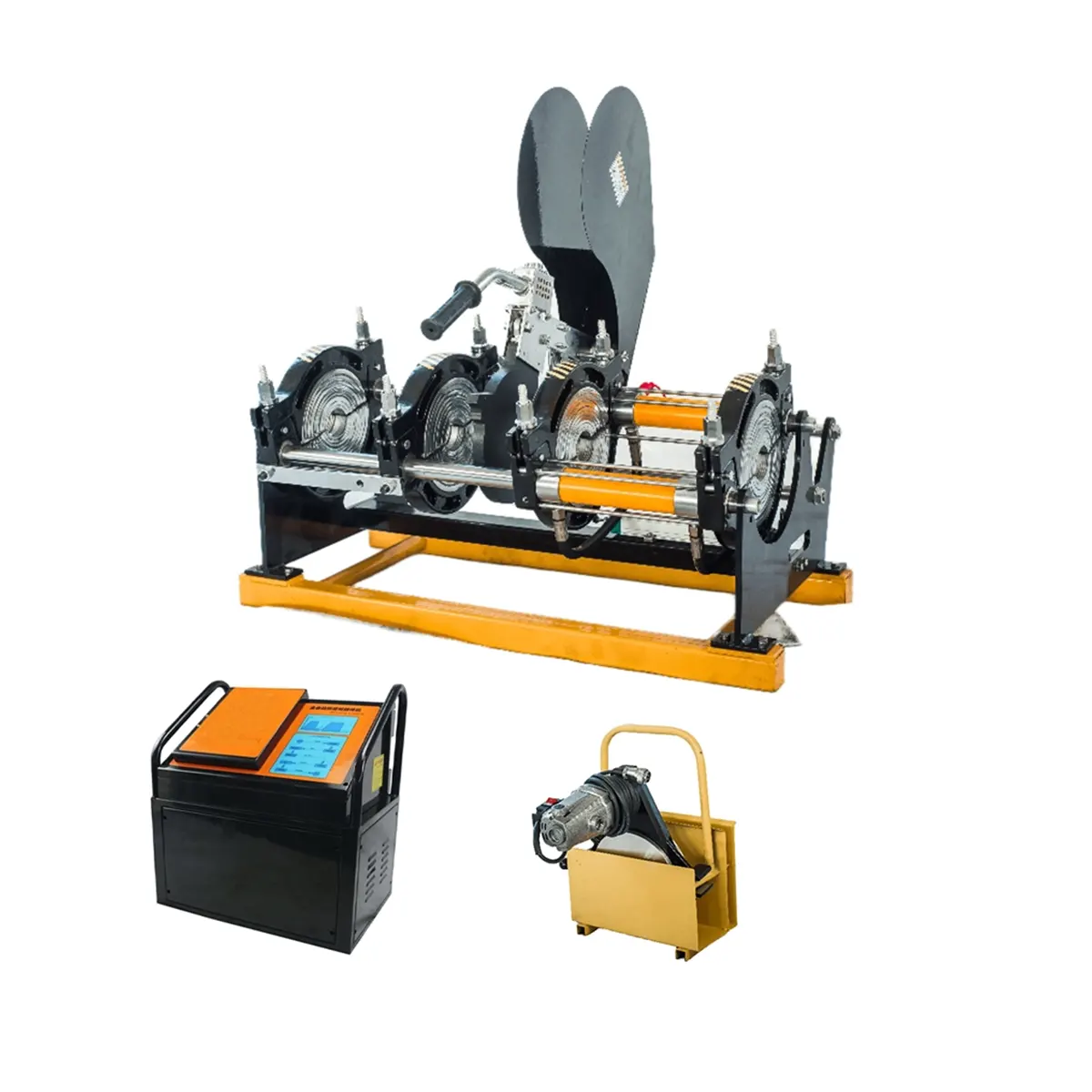
• Compare warranty terms, on-site commissioning, and optional accessories (trimmers, transport frames, remote controls).



