
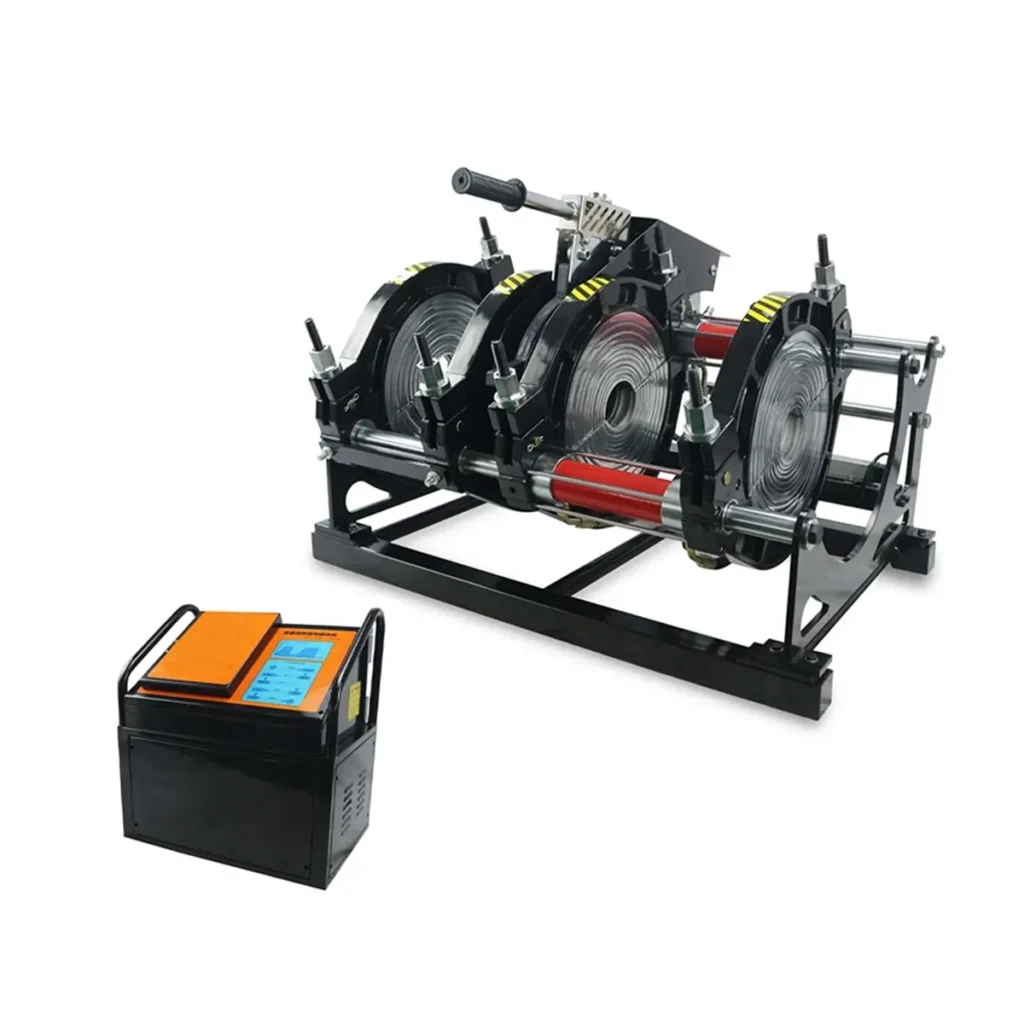
Automatic pipe welding machines are transforming pipeline construction across Senegal — from urban water distribution in Dakar to rural irrigation and mining projects in Tambacounda. These systems deliver consistent HDPE butt fusion welds, reduce onsite labor, and speed up large-diameter installations while addressing local challenges like coastal corrosion, intermittent power, and remote logistics.
Why Automatic Pipe Welding Matters in Senegal
Reliability: Automatic butt fusion machines offer repeatable heating and pressure control, reducing leak risks on potable water and gas networks. Efficiency: Faster cycle times mean major savings on mobilization and labor for long trunk lines. Quality: Digital control ensures weld traceability — crucial for public infrastructure standards and international contractors working in Senegal.
Key benefits for local projects
- Consistent weld quality across high-temperature coastal environments and inland sites.
- Reduced dependency on highly skilled manual welders — helpful for growing local construction workforces.
- Better uptime: many automatic units include protected control panels suited to dusty or humid conditions common in Senegal.
- Easy documentation for regulatory compliance and international funding agencies.
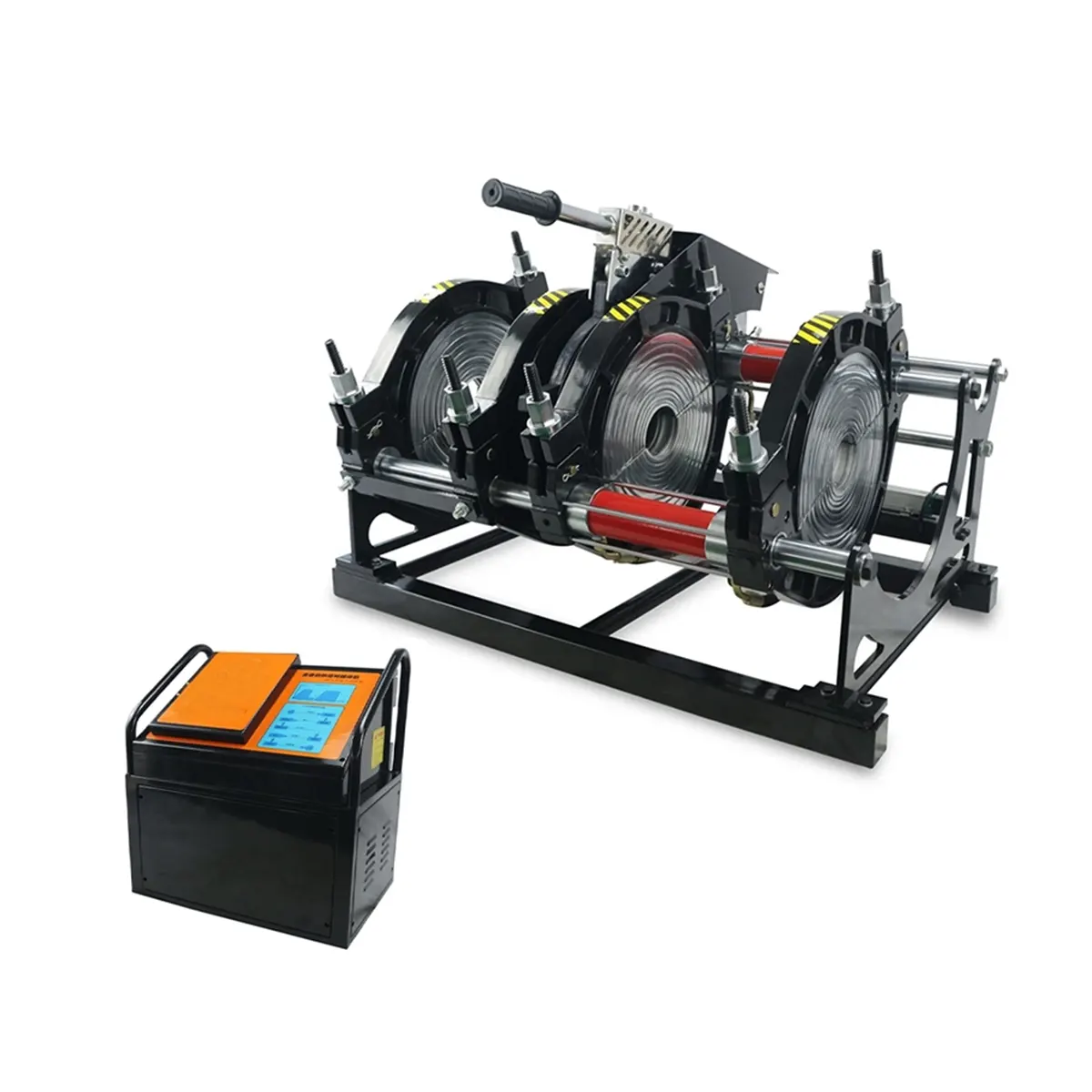
Top Automatic Butt Fusion Solutions for Senegalese Infrastructure
Selecting the right automatic welding machine depends on pipe diameter, site mobility, and the project’s expected throughput. Below is a practical comparison of popular automatic models suited to water supply, gas, and industrial pipeline projects in Senegal.
| Model | Pipe Range (mm) | Automation Level | Best For | Typical Lead Time |
|---|---|---|---|---|
| JQA160 | 20–160 | Semi-Automatic | Urban service lines, repairs | 2–4 weeks |
| JQA250 | 63–250 | Automatic | District water mains, irrigation | 3–6 weeks |
| JQA315 | 110–315 | Automatic | Medium-diameter trunk lines | 4–6 weeks |
| JQA500 | 250–500 | Fully Automatic | Large municipal & industrial pipelines | 6–8 weeks |
| JQA630 | 315–630 | Fully Automatic | Major transmission mains, mining | 8–12 weeks |
How to choose the right system for Senegal
- Match machine pipe range to the most common diameters used by local contractors and utilities.
- Factor in on-site power: consider units with diesel generators or low-voltage options for remote sites.
- Prioritize portability for projects across varied terrain — coastal, riverine, and inland.
- Check corrosion-resistant materials and sealed electronics for humid, salty coastal regions.
Installation, Training and Local Support
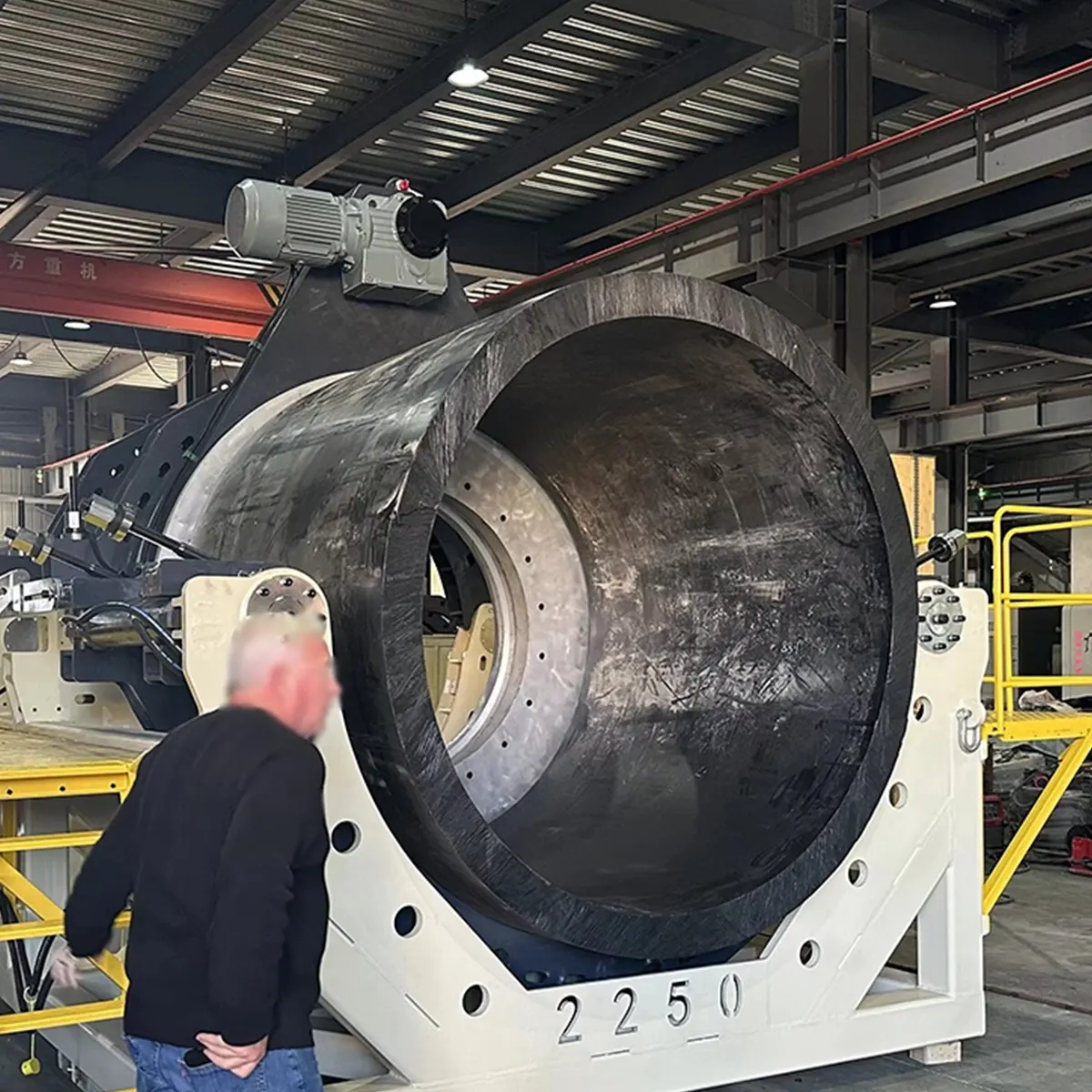
For sustainable project outcomes in Senegal, invest in operator training and a local spare-parts plan. Onsite training reduces rework and improves weld documentation. Where possible, arrange scheduled preventive maintenance and remote diagnostics to keep machines running during the rainy season and peak construction windows.
Cost savings and ROI
Automatic welding reduces cycle variability and rejects. Typical benefits include 30–60% faster joint cycles for medium and large diameters, lower long-term repair costs, and improved lifecycle performance of pipelines — critical when funding is tied to measurable project outcomes.
Environmental and regulatory considerations in Senegal
Senegalese projects often require alignment with national standards for potable water and environmental protection. Use equipment that supports traceable weld records and follows international best practices to streamline approvals for donor-funded and municipal works.
If you seek reliable automatic butt fusion solutions for Senegal, explore JQ-Fusion — a professional manufacturer specializing in HDPE pipe welding machines and butt fusion solutions for infrastructure projects worldwide: https://jq-fusionwelding.com/



