
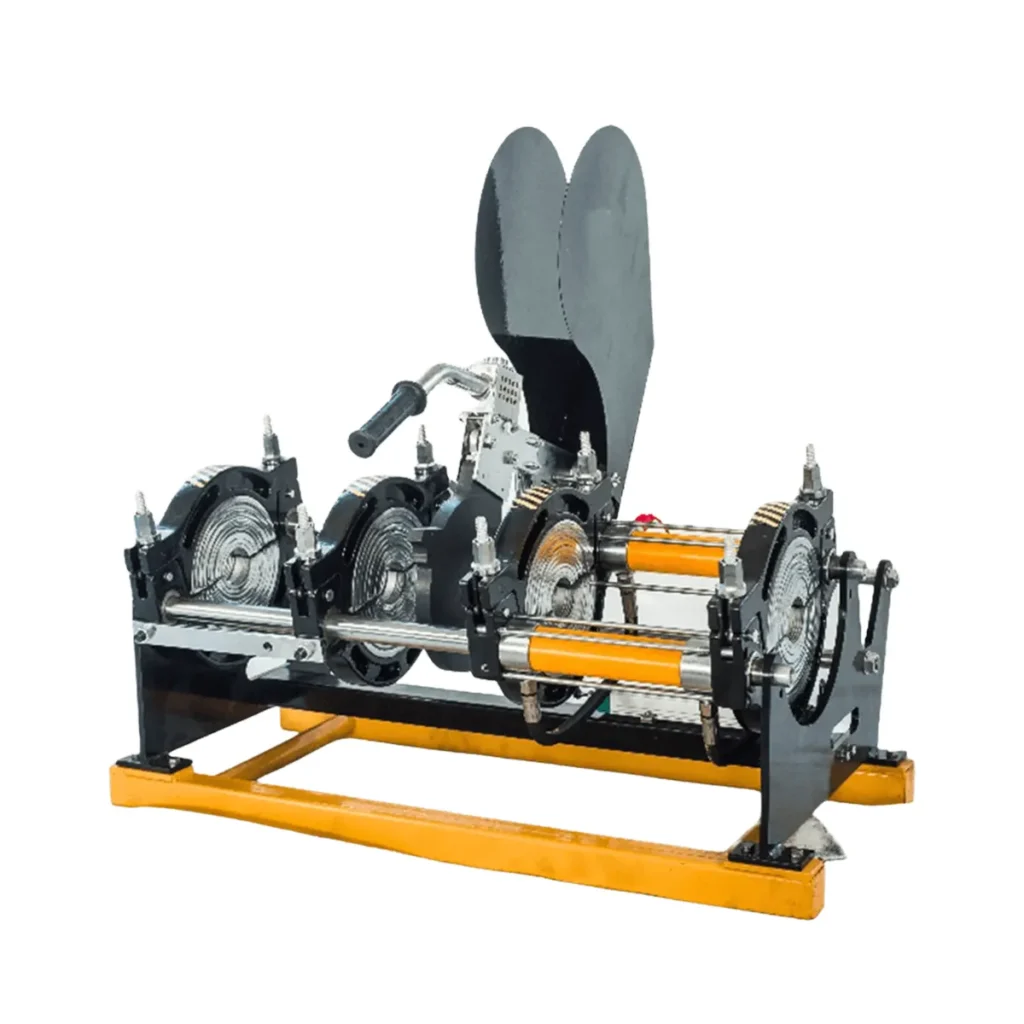
Choosing the right automatic pipe welding machine in Oman means matching high-temperature, dusty environments and large-scale infrastructure demands with reliable, easy-to-service equipment. This guide covers the best automatic butt fusion and hydraulic options, must-have features for Omani projects, a compact comparison table, and practical buying tips for contractors, utilities, and EPC teams working in Oman’s water, gas, and oil & gas sectors.
Why Automatic Pipe Welding Machines Matter in Oman
Oman’s expanding utilities and industrial pipeline projects—from desalination plants and municipal water networks to desert irrigation and oil & gas distribution—require welds that are fast, repeatable, and compliant with international standards. Automatic machines reduce human error, speed up installation in remote sites, and offer digital welding records that simplify quality control during audits and handovers.
Top Machine Options for Oman Projects
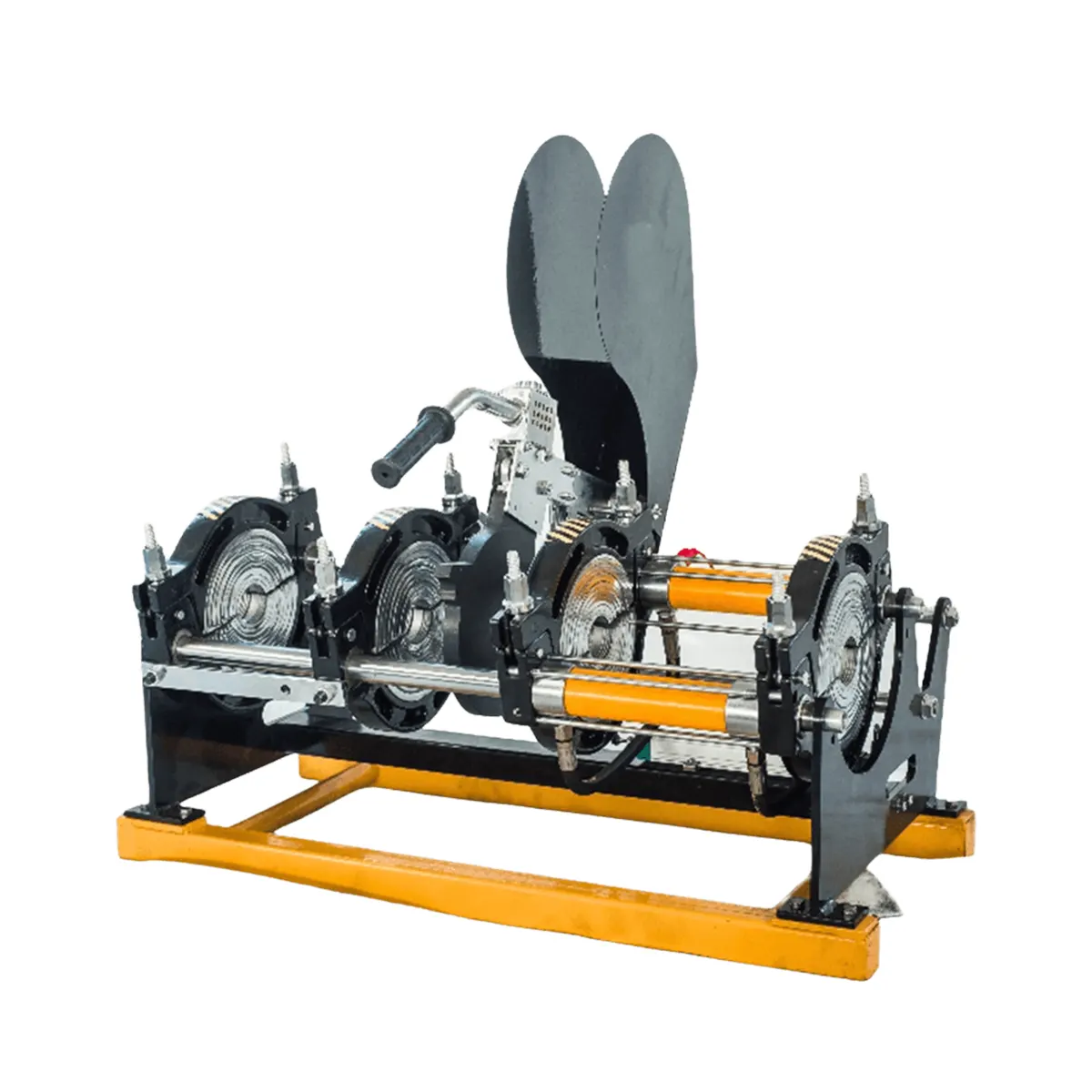
Consider these machine types when specifying equipment for Omani conditions:
- Compact Automatic Units (e.g., JQA160–JQA250) — Ideal for urban sewer and potable water pipelines where portability and quick setup are priorities.
- Mid-range Automatic Machines (e.g., JQA315–JQA355) — Best for medium-diameter water and gas distribution networks; balance productivity and transportability.
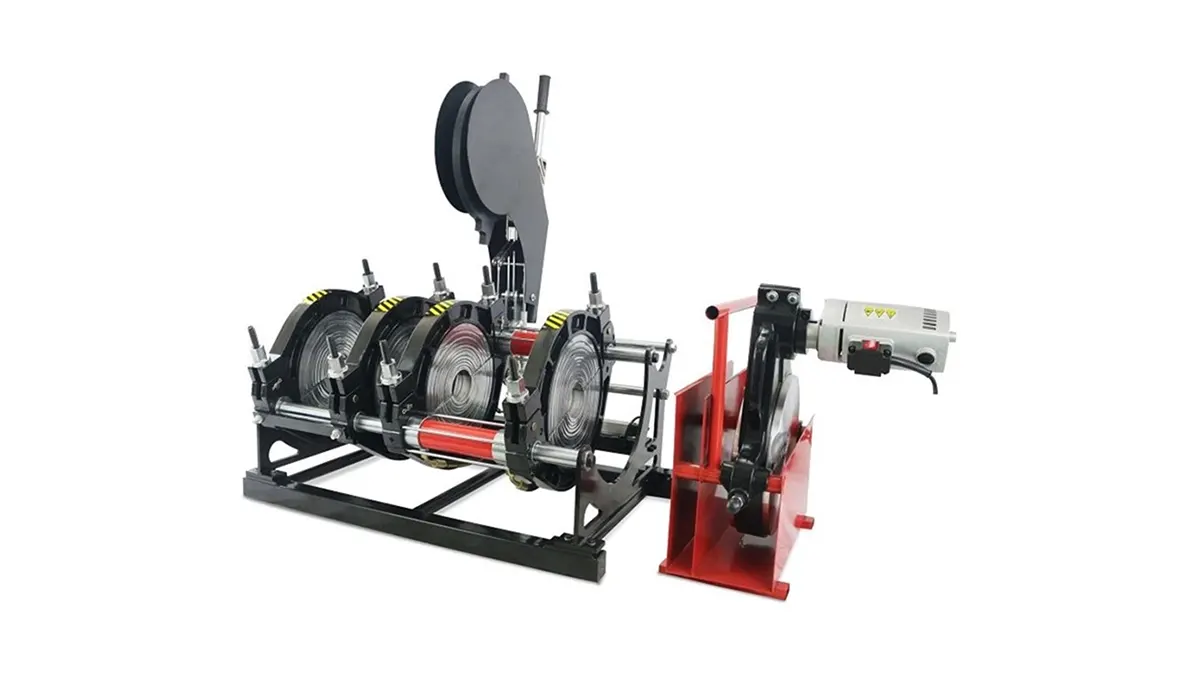
- Large Automatic & Hydraulic Systems (JQA400–JQA630 and hydraulic frames) — Required for main transmission lines, desalination plant feeds, and industrial pipelines, where large-diameter HDPE welding is routine.
- Multi-angle fitting welding machines — Useful for factory or field prefabrication of complex fittings and manifolds.
Key Features to Prioritize
Omani sites need equipment built for heat, dust, and remote operations. Focus on:
- Automatic control and record-keeping — For traceability and QA/QC compliance on government and EPC contracts.
- Sealed control cabinets and robust enclosures — Protect electronics from sand and heat.
- High-temperature capable heaters and accurate temperature sensors — Ensure consistent fusion in hot climates.
- Modular clamping and quick-change tooling — Speeds up on-site changeovers between pipe sizes.
- Generator-friendly power options — Many remote Omani sites rely on generators; machines should tolerate variable supply or include stabilizers.
- Serviceability and spare parts availability — Crucial for minimizing downtime in remote desert projects.
Side-by-side Comparison
| Model | Pipe Range (mm) | Automation | Best For |
|---|---|---|---|
| JQA200 (Automatic) | 63–200 | Full automatic | Urban networks, potable water |
| JQA355 (Automatic) | 160–355 | Full automatic | Medium transmission lines |
| Hydraulic Large-Diameter Frames | 400–1600+ | Semi/automatic | Desalination, industrial mains |
Buying Guide: What Omani Buyers Should Ask
When evaluating suppliers and models, make sure to confirm:
- Local support and spare parts lead time — Rapid replacement parts reduce project delays in remote areas like Dhofar or the Empty Quarter approaches.
- Compliance with PE100/PE80 and relevant fusion standards — Certification ensures long-term joint integrity for potable water and gas networks.
- Field training availability — On-site operator training in welding procedures and machine maintenance minimizes rework.
- Warranty and service contracts — Consider extended service packages for long-term pipeline projects.
- Transport and lifting requirements — Verify machine weight and the availability of handling gear on Omani construction sites.
- Environmental resilience — Dustproof seals, elevated cooling, and protective covers can extend equipment life in coastal saline or desert-prone sites.
Installation, Maintenance, and Certification Tips
For best performance in Oman:
- Pre-delivery inspection and FAT (Factory Acceptance Test) — Validate heater plate accuracy and control firmware before shipment.
- Regular calibration of temperature sensors and pressure systems — Prevent subtle drift that leads to weak joints.
- Keep digital weld logs and certificate packs — Helpful for Omani municipal approvals and EPC handover documentation.
- Plan spares kit for consumables — Heating plates, trimming tools, and hydraulic seals are common wear items.
Estimated Budget Ranges (USD)
Typical investment ranges excluding shipping and customs:
- Compact automatic units: $8,000–$20,000
- Mid-range automatic machines: $25,000–$70,000
- Large automatic/hydraulic frames: $80,000–$300,000+
Who to Contact
For HDPE butt fusion solutions tailored to Oman’s infrastructure needs, consider contacting a specialized manufacturer that offers a full range of automatic, hydraulic, and manual butt fusion machines along with training and spare parts support. JQ-Fusion provides equipment and global project experience to support water, gas, and industrial pipeline projects. Visit their website for model specifications and to request a quotation: jq-fusionwelding.com
Final Selection Checklist
Before final purchase, ensure the machine you select meets these minimum criteria for Oman:
- Proven performance on similar projects in hot/dusty conditions
- Good spare parts logistics and technical support
- Compliance with international PE welding standards
- Training and warranty terms suitable for long-duration projects
With the right automatic butt fusion or hydraulic welding machine, Omani contractors can achieve durable, fast, and traceable pipeline joins that stand up to the region’s environmental and operational challenges.



