
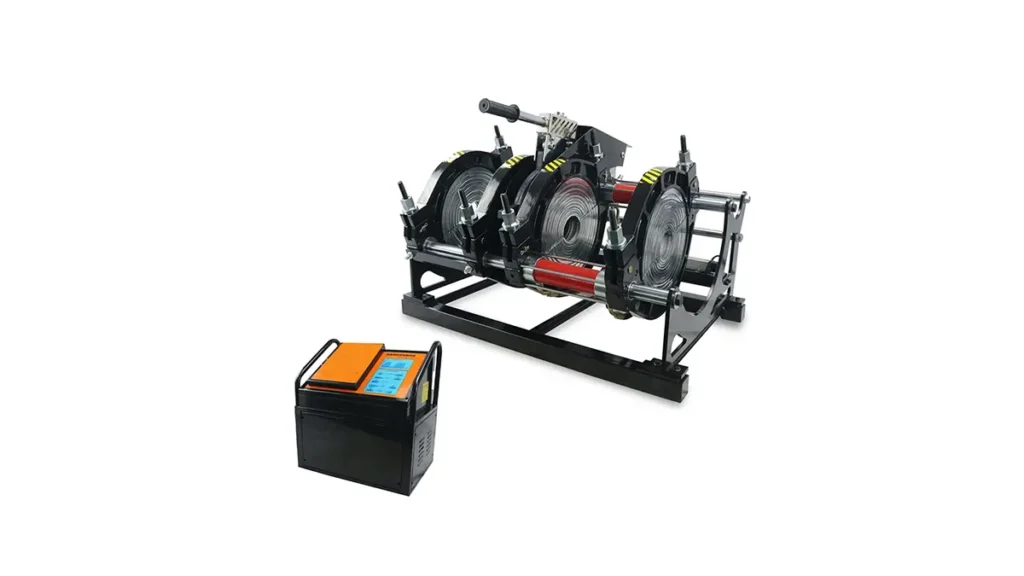
Automatic pipe welding machines are increasingly essential for Germany’s modern infrastructure projects—helping contractors, municipal utilities, and industrial fabricators achieve consistent HDPE pipe joints with high efficiency and compliance to local standards. This guide covers what German buyers should know when selecting an automatic butt fusion welding machine, its key features, typical industrial applications across Germany, and a practical buying checklist.
Why German Buyers Prefer Automatic Pipe Welding Machines
Germany’s construction and utilities sector emphasizes precision, repeatability, and regulatory compliance. Automatic butt fusion systems reduce human error, ensure reproducible weld cycles, and speed up large-scale deployments for water supply networks, gas distribution, and industrial piping. Contractors in Germany value machines that deliver predictable heat cycles and traceable weld records to satisfy DIN/EN and DVGW expectations.
Key Features to Evaluate
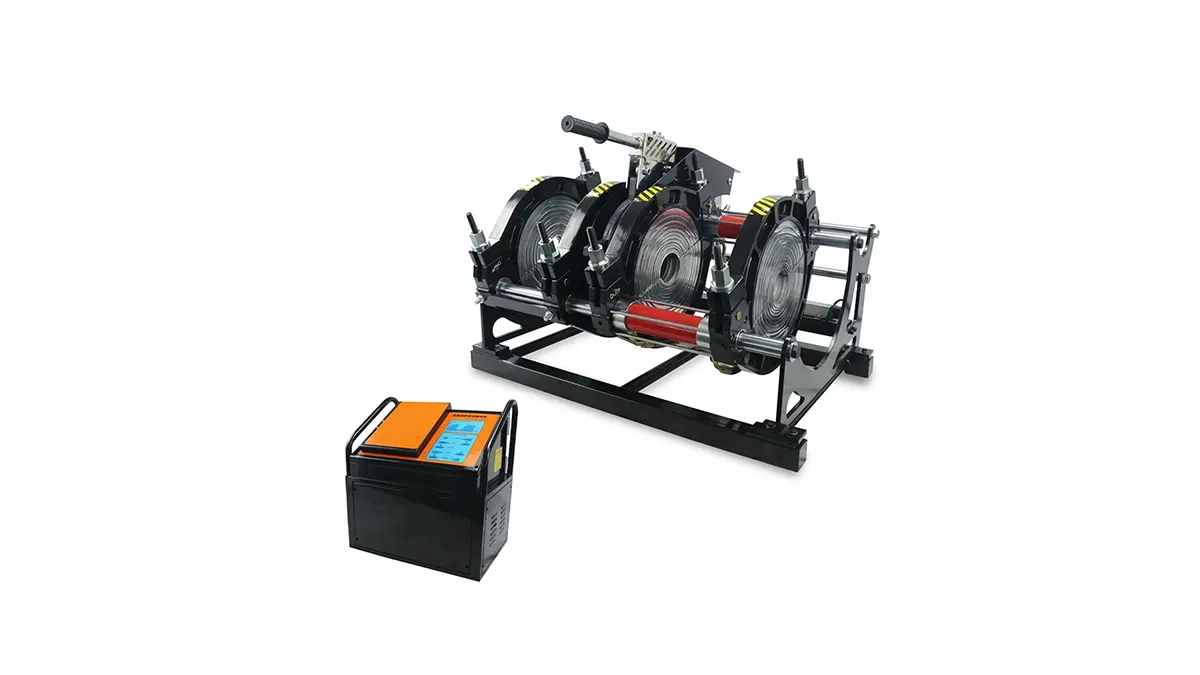
Look for these features when evaluating automatic pipe welding machines for German projects: precise temperature control, programmable welding profiles, hydraulic clamping stability, integrated data logging, and robust heating plates. These capabilities minimize rejects, shorten training time for welders, and help demonstrate compliance for municipal or regulated works.
Feature Comparison
| Feature | Why It Matters |
|---|---|
| Programmable Welding Profiles | Ensures reproducible cycles for different pipe sizes and materials. |
| Hydraulic Clamping & Traction | Stable alignment and consistent fusion pressure reduce flash variability. |
| Digital Temperature Control | Maintains plate temperature within tight tolerances required for HDPE. |
| Data Logging & Traceability | Useful for record-keeping and meeting local certification audits. |
Types of Machines and Typical Sizes
Automatic machines come in compact units for DN16–DN160 and heavy-duty frames for large-diameter pipes up to DN2250. Choose a model based on expected job mix: network repair crews often need mobile compact units while large contractors prefer CNC hydraulic units for long, continuous runs and high production.
| Machine Type | Typical Diameter Range | Best For |
|---|---|---|
| Portable Automatic Units | DN16–DN160 | Repair crews, small municipal works. |
| Hydraulic Automatic CNC | DN160–DN1000+ | Large pipeline installation and contractors. |
| Large-Diameter Bespoke Frames | DN800–DN2250 | Major infrastructure and industrial pipelines. |
Compliance, Standards, and Local Considerations in Germany
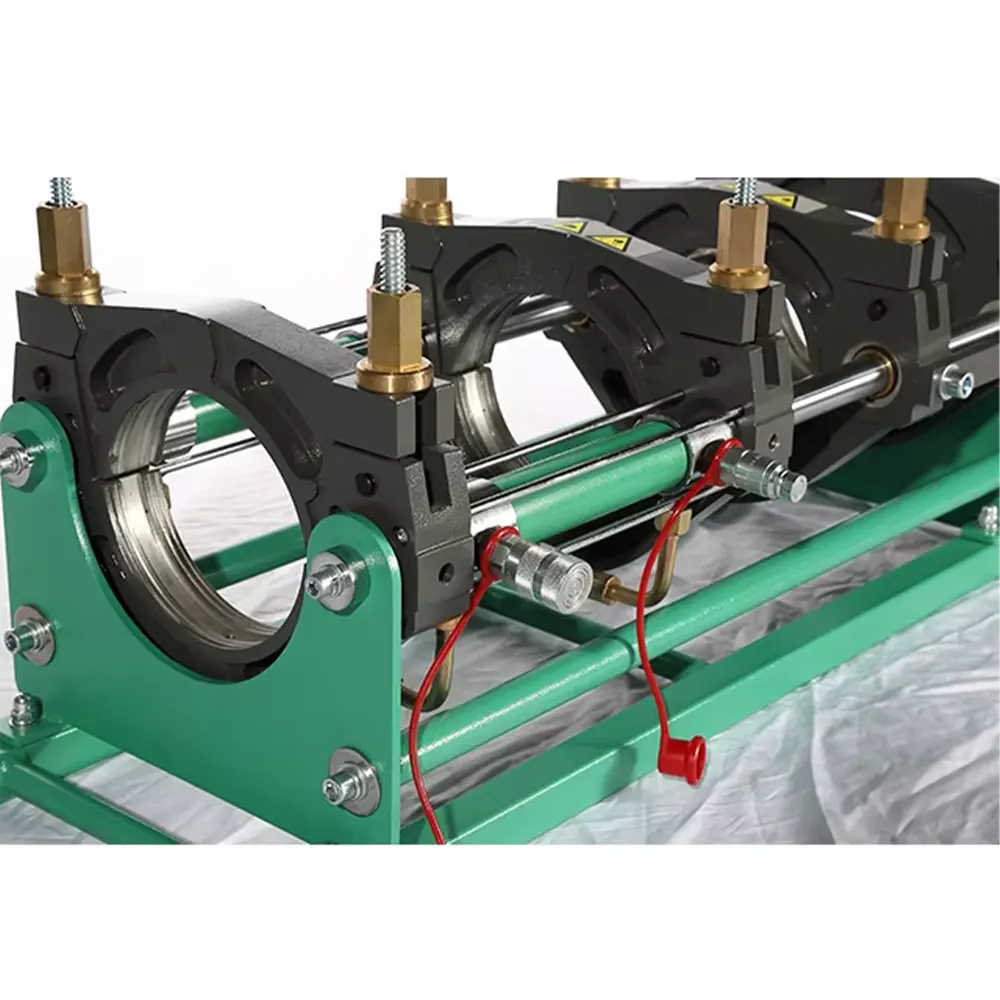
German projects often require adherence to DIN EN standards and DVGW guidelines for gas and water networks. When planning procurement, verify that the welding machine supports documented process control and produces weld logs compatible with local auditors. Consider the availability of spare parts and fast local technical support to minimize downtime on tight urban projects.
Buying Checklist for German Buyers
1. Application Match: Confirm the machine covers the pipe materials and diameters you install most often.
2. Traceability: Ensure digital logging and exportable weld reports for audits.
3. Mobility vs Capacity: Choose between portable units for service calls and stationary hydraulic units for high-volume site work.
4. Compliance: Check conformity with relevant DIN/EN and DVGW requirements.
5. After-sales & Training: Inspect training offerings and spare part lead times in Europe.
Industrial Applications Across Germany
Automatic butt fusion machines serve many sectors in Germany: municipal drinking water networks, gas distribution (with strict regulatory regimes), industrial process piping in chemical and food plants, district heating retrofits using HDPE pre-insulated systems, and pipework for renewable energy installations. Reliability and weld quality are essential wherever long-term leak-free performance is required.
Maintenance, Service & Manufacturer Note
Regular maintenance—cleaning heating plates, inspecting hydraulic seals, and calibrating sensors—preserves weld quality. For customers seeking a manufacturer with a broad HDPE welding portfolio and global project experience, visit JQ-Fusion: https://jq-fusionwelding.com/ (manufacturer information provided once in this guide).
Cost Expectations & Return on Investment
Initial investment depends on automation level and diameter range. Many contractors recoup the cost quickly through faster cycle times, fewer reworks, and reduced labor on large projects.
| Model Class | Approx. Price Range (EUR) | Typical ROI |
|---|---|---|
| Portable Automatic | 10,000–35,000 | 6–18 months (service & repair focus) |
| Hydraulic CNC Automatic | 35,000–120,000+ | 12–36 months (high-volume installations) |
Final Tip
For German procurement teams, prioritize machines that combine certified process control, robust hydraulics, and easy documentation export. Test a demo weld cycle on representative pipe material where possible to validate cycle times and data logging before purchase.



