
When planning a plumbing or industrial piping project, one of the most fundamental decisions is the choice of pipe material. The debate between plastic and metal pipes is longstanding, with each offering distinct advantages and challenges. This choice significantly impacts the installation process, overall project cost, and the system’s long-term performance and durability.
The Core Differences in Material and Joining
Plastic pipes, primarily made from materials like PVC (Polyvinyl Chloride), CPVC (Chlorinated Polyvinyl Chloride), PEX (Cross-linked Polyethylene), and HDPE (High-Density Polyethylene), are known for their flexibility, corrosion resistance, and light weight. Metal pipes, including copper, galvanized steel, and stainless steel, are prized for their strength, heat tolerance, and traditional reliability.
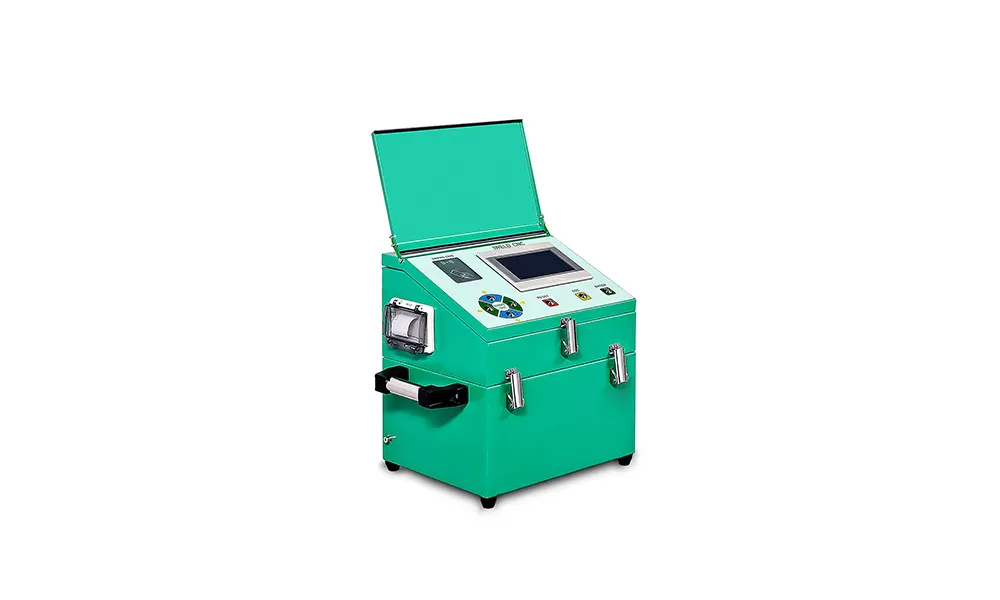
The joining method is where these materials diverge most practically. Metal pipes typically require soldering, threading, or welding, processes that need skilled labor, open flames, or specialized equipment. Plastic pipes, conversely, are often joined using solvent cement, compression fittings, or heat fusion. Heat fusion, particularly for HDPE, creates a seamless, monolithic joint that is as strong as the pipe itself. For large-scale or critical projects, using a professional-grade butt fusion machine ensures consistent, high-integrity welds that are leak-proof and durable.
Key Takeaway:
Metal joining is often a mechanical or thermal process applied to the pipe ends, while advanced plastic joining (like fusion) actually melts and fuses the pipe material, eliminating potential weak points like gaskets or threads.
Cost Analysis: Installation and Long-Term
Cost is a multi-faceted factor encompassing material price, labor, tools, and lifetime maintenance.
Initial Material & Installation Cost
Generally, plastic pipe materials are less expensive than copper or stainless steel. The installation cost advantage for plastic is more pronounced. Joining plastic pipes is usually faster and requires less specialized labor. A worker can be trained to use a butt fusion machine effectively relatively quickly, whereas skilled soldering or threading takes longer to master. This translates to lower labor costs and faster project completion.
Long-Term Maintenance & Durability Cost
This is where the calculation shifts. Metal pipes, especially copper, have a long history of durability but are susceptible to corrosion from certain water chemistries or external environments. Galvanized steel can rust and scale internally over decades. Plastic pipes are immune to corrosion and scale buildup, leading to consistent water flow and pressure over 50+ years. The potential for costly leaks, water damage, and pipe replacement due to corrosion often gives corrosion-resistant plastics like HDPE a significant total cost-of-ownership advantage.
Long-Term Durability and Performance
Durability isn’t just about the pipe, but the entire system, with joints being the most vulnerable points.
Metal Pipe Durability: Properly installed metal systems can last decades. However, they can fail from pitting corrosion, electrolysis (dissimilar metal contact), or mineral buildup. Joints are potential leak sites if solder fails or threads corrode.
Plastic Pipe Durability: Modern engineering plastics are designed for long service life. HDPE, for instance, is exceptionally impact-resistant and flexible, allowing it to withstand ground movement and freeze-thaw cycles better than rigid materials. The game-changer for plastic is fusion welding. A joint made with a properly calibrated butt fusion machine creates a homogeneous connection. This means the joint is not a fitting, but a continuous section of pipe, effectively removing the traditional joint as a failure point. This makes it ideal for buried, inaccessible, or critical pressure applications.
Industry Insight:
For municipal water, gas distribution, and industrial slurry lines, HDPE with butt-fused joints is often the specified standard due to its leak-free integrity and corrosion resistance, directly impacting public safety and infrastructure longevity.
Application-Specific Recommendations
Residential Plumbing (In-home):
PEX is often the best balance of cost, ease of installation (with crimp or clamp fittings), and freeze resistance. Copper remains a high-end, reliable choice for exposed lines or where local codes favor it.
Water & Gas Mains, Industrial Conveyance:
HDPE with butt fusion is superior. Its joint integrity, corrosion resistance, and flexibility make it unbeatable for buried, long-distance, or aggressive chemical applications. The reliability hinges on using quality fusion equipment from experienced manufacturers.
High-Temperature or Exposed Lines:
CPVC or Copper are preferred. CPVC handles hotter water than standard PVC, while copper’s heat tolerance and neat appearance for exposed runs are hard to match with plastic.
The Critical Role of Quality Joining Equipment
For plastic pipes, especially in professional settings, the quality of the joint is directly tied to the quality of the joining equipment. This is why partnering with a professional manufacturer like JQ-Fusion is crucial. Their expertise in manufacturing reliable butt fusion machine units ensures that the theoretical advantages of plastic pipe—like leak-free joints and long-term durability—are realized in the field. Their machines provide the precise temperature, pressure, and alignment control needed for a perfect weld every time.
Frequently Asked Questions (FAQs)
1. Is plastic pipe strong enough to replace metal for main water lines?
Yes, absolutely. High-density polyethylene (HDPE) pipe, when rated for the correct pressure (e.g., PN10, PN16), is extensively used for municipal water mains and gas distribution. Its strength, combined with the joint integrity from butt fusion, often makes it more reliable than metal for buried applications because it cannot corrode.
2. What is the main disadvantage of plastic plumbing pipes?
The primary limitations are temperature and UV resistance. Most plastics have lower maximum continuous temperature ratings than metal (though CPVC is an exception). Also, many plastics like PVC and HDPE can degrade with prolonged exposure to sunlight unless they are specifically formulated or coated for outdoor use.
3. How does the cost of a butt fusion machine impact a small project?
For very small projects, renting equipment or using alternative joining methods (like electrofusion couplings) may be more cost-effective. However, for contractors or projects involving frequent or long runs of HDPE pipe, investing in or sourcing a machine from a reputable supplier like JQ-Fusion pays off through speed, consistency, and reduced long-term liability from joint failures.
4. Can plastic and metal pipes be connected together?
Yes, using transition fittings. These are specially designed fittings with a plastic end (for solvent cement or fusion) and a metal end (for threading or soldering). It’s crucial to use dielectric unions or approved transition fittings to prevent galvanic corrosion where the two dissimilar materials meet.
5. Which is more environmentally friendly: plastic or metal pipe?
This is complex. Metal pipes (especially copper) are energy-intensive to produce but are highly recyclable. Plastic pipes have a lower production energy footprint, and HDPE in particular has a long life and is recyclable. The environmental benefit of plastic is often seen in its leak-free performance, conserving water or preventing contaminant ingress over decades, and the reduced energy needed for pumping due to smooth interior walls.



