
When planning a pipeline installation, one of the most critical decisions is selecting the right joining method. Two of the most prominent techniques are electrofusion and mechanical jointing. Each has distinct advantages, limitations, and ideal applications. This comprehensive guide will help you understand the key differences and determine which method is better suited for your specific project requirements.
Understanding Electrofusion Joining
Electrofusion is a heat-fusion process used primarily for thermoplastic pipes, such as HDPE (High-Density Polyethylene). It involves using specially designed fittings with embedded electric heating coils. The pipe ends are inserted into the fitting, and an electrical current is passed through the coils, melting the interior of the fitting and the exterior of the pipe. As the material cools, it forms a homogeneous, leak-proof, and permanent joint.
Key Advantages of Electrofusion:
Strong, Homogeneous Joints: The fusion process creates a joint as strong as the pipe itself, with no internal voids or stress points.
Excellent Leak Integrity: The monolithic fusion provides superior long-term leak resistance, crucial for gas and potable water systems.
Corrosion and Chemical Resistance: Since no foreign materials are introduced, the joint inherits the pipe’s full resistance to corrosion and chemicals.
Flexibility for Tight Spaces: Electrofusion is often easier to perform in confined or difficult-to-access locations compared to some mechanical methods.
Understanding Mechanical Jointing
Mechanical jointing refers to methods that use mechanical force to create a seal between pipes, often with the aid of gaskets, seals, or compressive hardware. Common types include flanged joints, couplings, and push-fit systems. This method is used with a wide variety of pipe materials, including ductile iron, PVC, steel, and sometimes HDPE.
Key Advantages of Mechanical Jointing:
Disassembly and Reusability: Many mechanical joints can be disassembled and reassembled, allowing for future modifications or repairs.
Speed of Installation: In many cases, especially with push-fit or bolted systems, joints can be made very quickly without waiting for curing or cooling.
Material Versatility: Can join dissimilar pipe materials or connect thermoplastic pipes to other system components like valves or metal fittings.
Less Sensitive to Preparation: While cleanliness is important, the tolerance for minor imperfections on the pipe end can be higher than with fusion.
Head-to-Head Comparison: Critical Factors for Your Project
1. Joint Performance and Longevity
Electrofusion creates a permanent, monolithic joint. Its performance is exceptional for leak prevention and long-term structural integrity under constant pressure and ground movement. It is the preferred choice for critical, non-accessible installations.
Mechanical Joints rely on the integrity of seals and gaskets. Over time, these components may degrade, potentially requiring maintenance. Their performance is excellent but depends on correct installation and the longevity of the sealing elements.
2. Installation Skill and Equipment
Electrofusion requires trained operators and specialized equipment, such as an electrofusion welding machine. The process demands strict adherence to procedures: proper pipe scraping, alignment, and controlled fusion cycles.
Mechanical Jointing often has a lower technical barrier for basic installation. Tools are generally more common (wrenches, torque tools). However, achieving a reliable, leak-free seal still requires skill and attention to manufacturer specifications.
3. Cost Considerations
Initial Cost: Mechanical fittings can sometimes have a lower unit cost. Electrofusion fittings and the required controller unit represent a higher initial investment.
Total Lifetime Cost: Electrofusion often wins here. The reduced risk of leaks, elimination of maintenance, and superior longevity typically result in a lower total cost of ownership over the pipeline’s life, especially for buried or critical lines.
4. Application Suitability
Choose Electrofusion For: Permanent, buried pipelines for gas, potable water, sewage, and industrial slurries. Projects where joint integrity is paramount and future access is limited. For large-scale HDPE projects, a butt fusion machine might be used for long straight runs, with electrofusion for fittings and repairs.
Choose Mechanical Jointing For: Above-ground pipelines, temporary installations, systems requiring future modification, connections to existing infrastructure of different materials, or in situations where fusion power sources are impractical.
The Role of Quality Equipment in Electrofusion
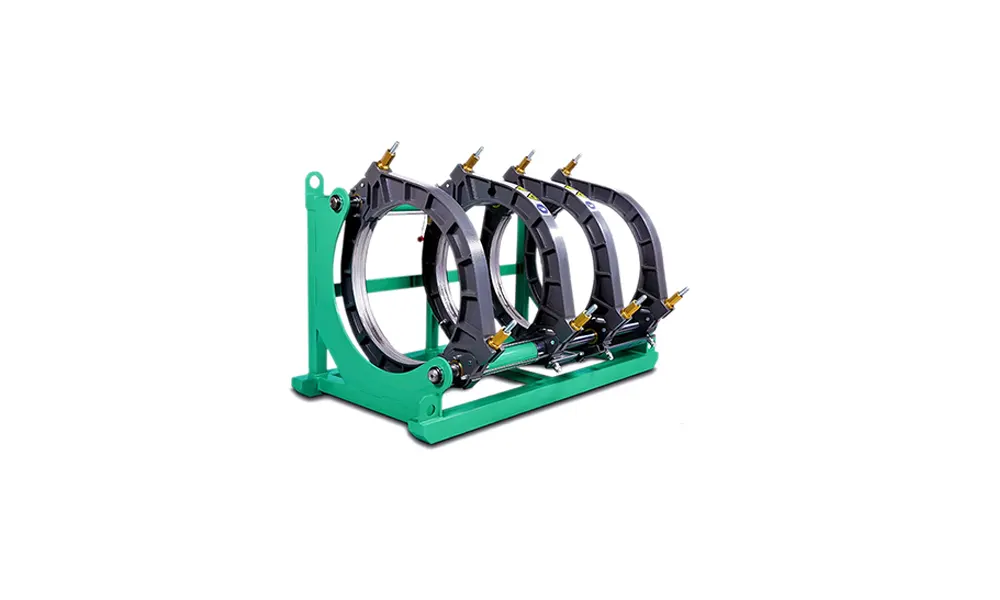
The success of an electrofusion joint is heavily dependent on the quality and reliability of the welding equipment. A precision electrofusion welding machine ensures consistent heating, proper pressure application, and accurate cycle timing. Manufacturers like JQ-Fusion, with decades of experience, provide machines that undergo strict quality control for temperature accuracy and hydraulic stability, which is vital for achieving perfect fusion results in the field. Investing in professional-grade equipment from a reputable supplier mitigates risk and ensures project success.
Conclusion: Which Method Is Better?
There is no universal “better” method—only the method that is better for your project’s specific conditions.
Opt for Electrofusion if your priority is a permanent, maintenance-free, and incredibly reliable joint for a critical pressure system, particularly with HDPE pipes in buried applications. The higher initial cost is justified by decades of trouble-free service.
Opt for Mechanical Jointing if you need flexibility, speed for above-ground work, the ability to connect different materials, or foresee the need to disassemble the pipeline in the future.
For many large HDPE projects, a hybrid approach is optimal: using butt fusion for long sections and electrofusion for fittings, taps, and repairs. Companies like JQ-Fusion support such projects by offering a full range of equipment, from butt fusion machine units to electrofusion systems, backed by strong OEM capability and global technical support.
Frequently Asked Questions (FAQs)
Can electrofusion be used on wet pipes?
No. Moisture present at the joint interface will turn to steam during heating, creating voids and causing the fusion to fail. Pipes must be thoroughly dried before electrofusion.
Are mechanical joints allowed for permanent, buried gas pipelines?
Regulations vary by region, but electrofusion or butt fusion are almost universally required for mainline buried polyethylene gas pipelines due to their superior long-term integrity. Mechanical joints may be used for above-ground sections or service connections under specific codes.
Which method is more forgiving of imperfect pipe cuts?
Mechanical joints generally have more tolerance. Electrofusion requires a clean, square, and scraped pipe end to ensure proper contact and heating with the fitting’s inner surface.
Do I need different skills for electrofusion vs. mechanical jointing?
Yes. Electrofusion requires certification and training on specific machine protocols. Mechanical jointing requires skill in proper assembly, gasket placement, and torque application, but the learning curve can be less steep for basic applications.
How do I choose a reliable electrofusion machine supplier?
Look for manufacturers with proven industry experience, strict quality control certifications (like SGS), reliable after-sales support, and the ability to provide customized solutions. A supplier’s commitment to technical support and training is as important as the machine itself.



