
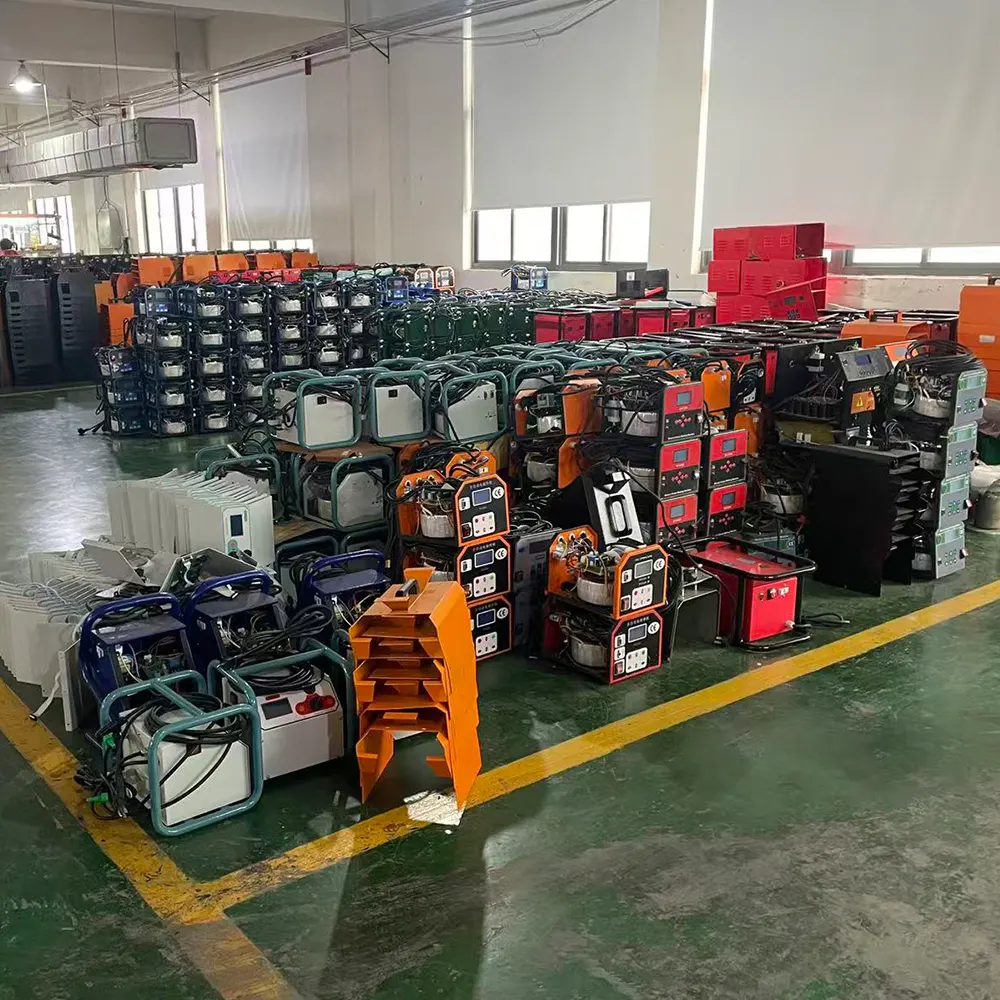
In the realm of modern industrial fabrication, the demand for precision, strength, and repeatability in joining materials has never been higher. One technology that stands at the forefront of meeting these demands is CNC Fusion Welding. This advanced process represents a significant leap from traditional welding methods, integrating computer numerical control to achieve unparalleled accuracy and consistency in manufacturing.
The Core Principles of CNC Fusion Welding
CNC Fusion Welding is a process where heat is applied to melt and fuse materials together, typically thermoplastics like HDPE (High-Density Polyethylene), under the precise command of a computer system. Unlike manual welding, where outcomes depend heavily on operator skill, CNC technology automates the critical parameters: temperature, pressure, alignment, and cooling time.
Key to its operation is the seamless integration of mechanics and software. The machine’s computer follows a pre-programmed sequence, ensuring each weld is an exact replica of the last. This eliminates human error and variability, producing joints that are consistently strong, leak-proof, and structurally sound.
How It Transforms Precision Manufacturing
The impact of CNC Fusion Welding on precision manufacturing is profound and multi-faceted. It brings a new level of control and reliability to production lines.
1. Unmatched Consistency and Repeatability
Every weld cycle is controlled to the second and to the degree. This repeatability is crucial for large-scale projects, such as municipal water supply networks or gas distribution systems, where thousands of identical, perfect welds are required. The risk of a weak joint causing a system failure is drastically reduced.
2. Enhanced Structural Integrity
By precisely controlling the heating, fusion, and cooling phases, the process creates a homogeneous joint where the fused materials become one continuous piece. This results in a weld that is often as strong as, or even stronger than, the base pipe itself, a critical factor for pressure applications and long-term infrastructure durability.
A Critical Advantage: Automated Alignment
One of the most significant benefits is automated pipe alignment. Misalignment is a common cause of weld failure. CNC machines use precision clamps and hydraulic systems to align pipe ends perfectly before the welding cycle begins, ensuring optimal material contact and fusion.
3. Increased Efficiency and Reduced Waste
Automation speeds up the welding process and reduces material waste. With precise control, there is less need for rework or the rejection of components due to poor weld quality. This efficiency translates directly into lower project costs and faster completion times.
The Role of Specialized Manufacturers
The full potential of this technology is unlocked by specialized manufacturers who design and build the machines. Companies with deep expertise, like JQ-Fusion, a professional butt fusion machine manufacturer, are pivotal. With over 20 years of experience, they engineer machines that translate the promise of CNC precision into reliable, on-the-ground performance for global pipeline projects in water supply, gas distribution, and mining.
Their commitment extends beyond manufacturing to include strict quality control, where each machine is tested for temperature accuracy and hydraulic stability, and flexible customization (OEM/ODM), allowing clients to tailor machines to specific project needs. This ensures that the advanced technology is accessible and effective for diverse applications worldwide.
Applications Driving Industry Adoption
The use of CNC Fusion Welding is widespread in industries where failure is not an option. It is the standard for joining HDPE pipes in potable water systems, preventing contamination and leaks. In gas distribution, it ensures safe, sealed networks. The technology is also indispensable in chemical processing, mining slurry lines, and industrial effluent systems, where corrosion resistance and joint integrity are paramount.
The shift towards automation in construction and utilities has made CNC fusion welding not just an advantage, but a necessity for meeting modern standards of quality, safety, and efficiency. It represents a critical investment in building durable, long-lasting infrastructure.
Looking Ahead: The Future of Welding Technology
The evolution of CNC Fusion Welding continues. Future trends point towards greater connectivity (IoT integration for remote monitoring and data logging), smarter software with adaptive learning capabilities to optimize cycles further, and increased portability for machines. The core goal remains: to make precision welding more reliable, efficient, and accessible for every project, large or small.
For contractors and engineers, partnering with an experienced manufacturer is key to leveraging this technology. Providers like JQ-Fusion offer the complete package—from robust butt fusion machine technology and certified equipment to global technical support—ensuring that the benefits of CNC precision are fully realized from the factory floor to the field installation.
Frequently Asked Questions (FAQs)
Q: What materials can be welded using CNC Fusion Welding technology?
A: Primarily thermoplastics, with HDPE (High-Density Polyethylene) being the most common. It is also suitable for other polyolefins like PP (Polypropylene) and PVDF (Polyvinylidene Fluoride) used in industrial applications.
Q: How does a CNC machine improve weld quality over a manual machine?
A: It removes human variability by automating the entire process—heating, applying fusion pressure, and cooling—based on a pre-set, optimal program. This guarantees consistent temperature, pressure, and timing for every single weld.
Q: Is CNC Fusion Welding only for large-diameter pipes?
A: No. While excellent for large diameters, CNC technology is equally beneficial for small to medium pipes. Precision is critical at all sizes, and automated systems ensure accuracy even for intricate or high-volume small-diameter work. Manufacturers like JQ-Fusion offer machines covering a wide range of diameters.
Q: What kind of training is required to operate a CNC butt fusion machine?
A> Operators need training on the specific machine model, but it is generally less skill-intensive than manual welding. Training focuses on machine setup, pipe preparation, loading the correct weld program, and basic maintenance, rather than nuanced manual technique.
Q: Why is partner choice important when investing in this technology?
A: The machine’s reliability, the availability of spare parts, technical support, and the ability to provide customized solutions are vital. An established manufacturer with a global support network, such as JQ-Fusion, ensures long-term project success and a strong return on investment for your butt fusion machine.



